
- Over 1 million successful rentals
- Popular countries
- Popular regions
- Popular cities
- Popular airports
- Car Hire United Kingdom
- Car Hire Spain
- Car Hire Italy
- Car Hire France
- Car Hire United States
- Car Hire Portugal
- Car Hire Greece
- Car Hire Ireland
- Car Hire Cyprus
- Car Hire Switzerland
- Car Hire Germany
- Car Hire Croatia
- Car Hire Turkey
- Car Hire Canada
- Car Hire South Africa
- Car Hire Austria
- Car Hire Poland
- Car Hire Australia
- Car Hire Netherlands
- Car Hire Denmark
- Car Hire England
- Car Hire Scotland
- Car Hire Majorca
- Car Hire Florida
- Car Hire California
- Car Hire Crete
- Car Hire Sicily
- Car Hire Sardinia
- Car Hire Menorca
- Car Hire Wales
- Car Hire Kefalonia
- Car Hire Tenerife
- Car Hire Channel Islands
- Car Hire Corsica
- Car Hire Madeira
- Car Hire Gran Canaria
- Car Hire Fuerteventura
- Car Hire Isle of Man
- Car Hire Santorini
- Car Hire Azores
- Car Hire London
- Car Hire Faro
- Car Hire Malaga
- Car Hire Manchester
- Car Hire Alicante
- Car Hire Palma de Mallorca
- Car Hire Edinburgh
- Car Hire Dublin
- Car Hire Geneva
- Car Hire Nice
- Car Hire Paphos
- Car Hire Pisa
- Car Hire Birmingham
- Car Hire Lisbon
- Car Hire Milan
- Car Hire Larnaca
- Car Hire Glasgow
- Car Hire Orlando
- Car Hire Bristol
- Car Hire Rome
- Car Hire London Heathrow Airport
- Car Hire Faro Airport
- Car Hire London Gatwick Airport
- Car Hire Malaga Airport
- Car Hire Alicante Airport
- Car Hire Manchester Airport
- Car Hire Mallorca Airport
- Car Hire Dublin Airport
- Car Hire Edinburgh Airport
- Car Hire Nice Airport
- Car Hire London Stansted Airport
- Car Hire Paphos Airport
- Car Hire Pisa Airport
- Car Hire Lisbon Airport
- Car Hire Birmingham Airport
- Car Hire Larnaca Airport
- Car Hire London Luton Airport
- Car Hire Geneva Airport (Switzerland)
- Car Hire Orlando International Airport
- Car Hire Glasgow Airport

Car Hire Egypt
Save time and money. We compare the offers of car rental companies in Egypt on your behalf.
- Free cancellation Up to 48 hours prior to the scheduled pick-up time
- Best price guarantee Have you found a better price? Let us know and we will make you a better offer.
- 24000+ pick-up locations Locations around the world

Compare Car Hire
Carrentals.co.uk offers simple and straightforward car hire comparison services. We don't add a penny to your quotes!
Car rental offers in Egypt
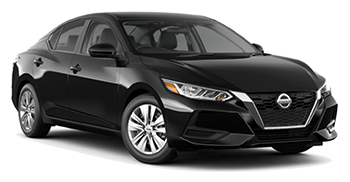
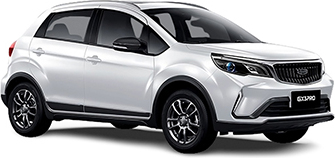
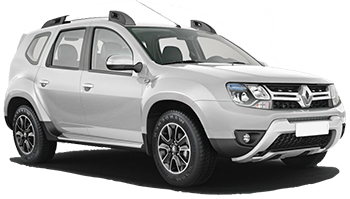
Whether you're looking for a small rental car or a station wagon for the entire family, we will always have a suitable vehicle at the lowest price. Below are some examples from our selection in Egypt.

-
Autounion Car Rental From£ 10 /day
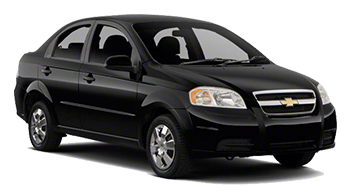
-
Autounion Car Rental From£ 10 /day -
Budget From£ 15 /day -
Avis From£ 15 /day
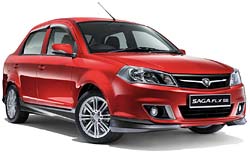
-
Hertz From£ 14 /day
-
Alamo From£ 15 /day -
Enterprise From£ 16 /day -
Avis From£ 16 /day

-
Green Motion From£ 21 /day

-
Sixt From£ 24 /day
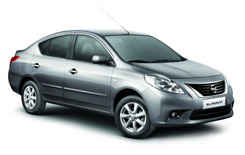
-
Autounion Car Rental From£ 10 /day -
Budget From£ 15 /day -
Avis From£ 15 /day
-
Alamo From£ 17 /day -
Enterprise From£ 19 /day -
Avis From£ 19 /day
-
Sixt From£ 19 /day

-
Green Motion From£ 21 /day
-
Sixt From£ 22 /day
-
Hertz From£ 23 /day -
Green Motion From£ 35 /day
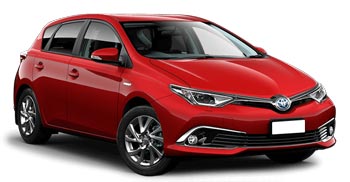
-
Avis From£ 23 /day
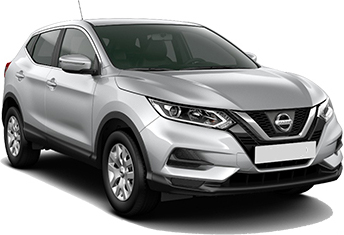
-
Alamo From£ 25 /day -
Enterprise From£ 28 /day -
Red Spot Car Rental From£ 37 /day

-
Sixt From£ 27 /day
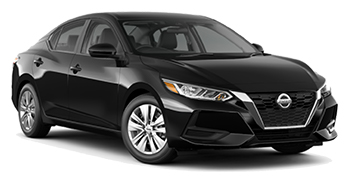
-
Autounion Car Rental From£ 15 /day -
Budget From£ 18 /day -
Avis From£ 20 /day

-
Autounion Car Rental From£ 19 /day -
Enterprise From£ 30 /day -
Alamo From£ 31 /day

-
Alamo From£ 22 /day -
Enterprise From£ 22 /day -
Avis From£ 23 /day
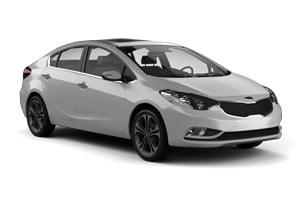
-
Hertz From£ 22 /day -
Green Motion From£ 25 /day

-
Sixt From£ 24 /day

-
Alamo From£ 25 /day -
Enterprise From£ 33 /day -
Red Spot Car Rental From£ 46 /day
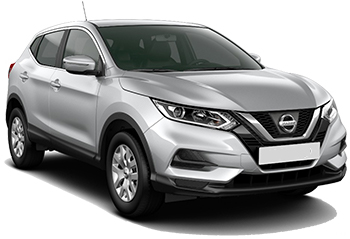
-
Alamo From£ 25 /day -
Enterprise From£ 26 /day -
Budget From£ 38 /day
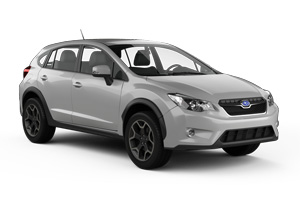
-
Sixt From£ 33 /day
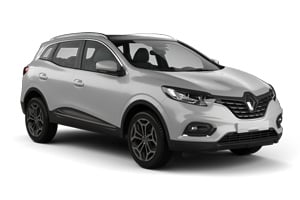
-
Avis From£ 34 /day

-
Autounion Car Rental From£ 18 /day
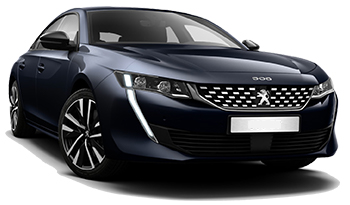
-
Alamo From£ 27 /day -
Enterprise From£ 28 /day -
Red Spot Car Rental From£ 29 /day
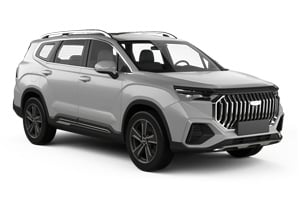
-
Sixt From£ 29 /day
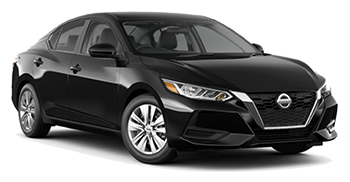
-
Hertz From£ 30 /day -
Europcar From£ 30 /day -
Advantage Rent a Car From£ 38 /day

-
Sixt From£ 31 /day

-
Sixt From£ 31 /day
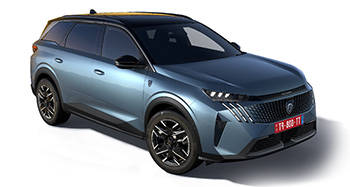
-
Alamo From£ 38 /day -
Enterprise From£ 39 /day -
Red Spot Car Rental From£ 53 /day
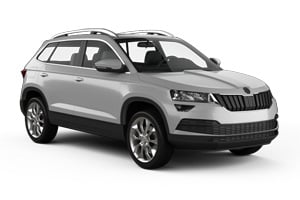
-
Avis From£ 41 /day
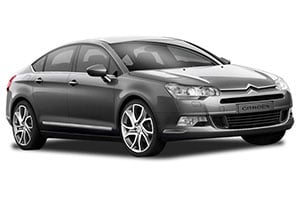
-
Europcar From£ 43 /day
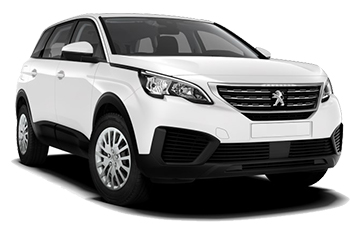
-
Alamo From£ 35 /day -
Budget From£ 47 /day

-
Autounion Car Rental From£ 36 /day
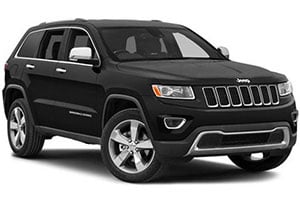
-
Enterprise From£ 205 /day

-
Autounion Car Rental From£ 36 /day
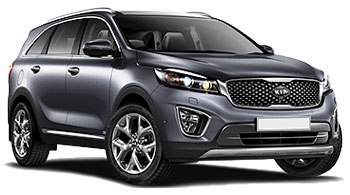
-
Alamo From£ 38 /day -
Enterprise From£ 39 /day -
National Car Rental From£ 40 /day
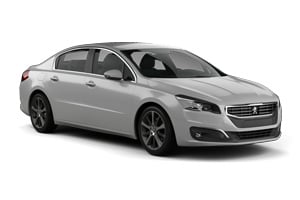
-
Sixt From£ 39 /day
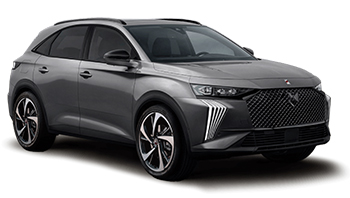
-
Avis From£ 43 /day -
Budget From£ 54 /day
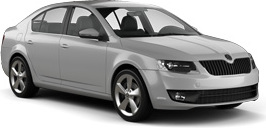
-
Sixt From£ 44 /day
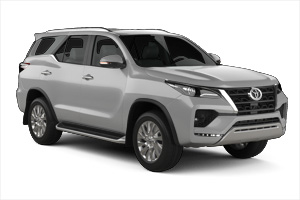
-
Alamo From£ 47 /day -
Avis From£ 55 /day -
Budget From£ 68 /day

-
Alamo From£ 41 /day -
Enterprise From£ 51 /day -
Red Spot Car Rental From£ 69 /day
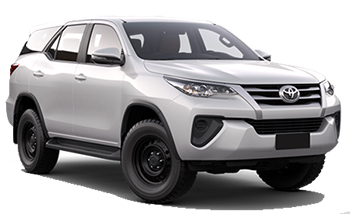
-
Green Motion From£ 51 /day -
Enterprise From£ 54 /day
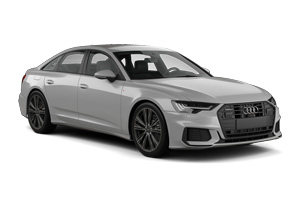
-
Alamo From£ 56 /day -
Enterprise From£ 59 /day -
Red Spot Car Rental From£ 79 /day
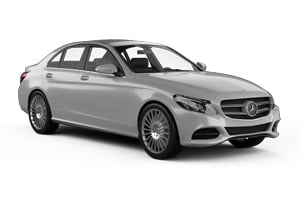
-
Avis From£ 57 /day -
Sixt From£ 62 /day -
Budget From£ 64 /day
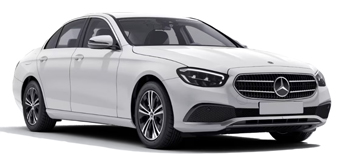
-
Avis From£ 67 /day -
Budget From£ 80 /day -
Sixt From£ 81 /day

-
Avis From£ 72 /day -
Budget From£ 87 /day
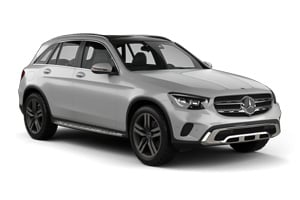
-
Avis From£ 80 /day -
Budget From£ 85 /day
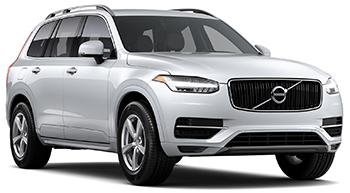
-
Avis From£ 92 /day
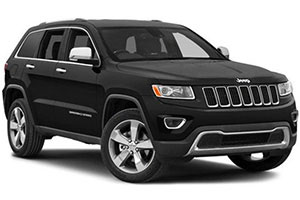
-
Budget From£ 95 /day -
Sixt From£ 125 /day
-
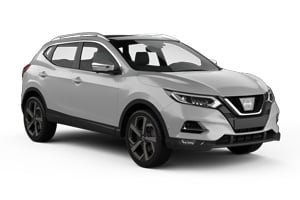
Autounion Car Rental From£ 19 /day -
Enterprise From£ 30 /day -
Alamo From£ 31 /day
-
Alamo From£ 25 /day -
Enterprise From£ 28 /day -
Budget From£ 45 /day
-
Enterprise From£ 205 /day
-
Sixt From£ 31 /day

-
Sixt From£ 33 /day

-
Green Motion From£ 35 /day
-
Alamo From£ 36 /day -
Enterprise From£ 39 /day -
Europcar From£ 49 /day
-
Autounion Car Rental From£ 36 /day
-
Autounion Car Rental From£ 36 /day
Popular cities in Egypt



When to book a rental car in Egypt
Egypt - When is the most affordable time to rent a mini class car?
At this destination (Egypt), April is the most affordable time to rent a mini class car with an average daily rate of
Egypt - When is the most affordable time to rent a economy class car?
At this destination (Egypt), January is the most affordable time to rent a economy class car with an average daily rate of
Egypt - When is the most affordable time to rent a compact class car?
At this destination (Egypt), January is the most affordable time to rent a compact class car with an average daily rate of
Egypt - When is the most affordable time to rent an intermediate class car?
At this destination (Egypt), January is the most affordable time to rent a intermediate class car with an average daily rate of
Egypt - When is the most affordable time to rent a standard class car?
At this destination (Egypt), January is the most affordable time to rent a standard class car with an average daily rate of
Egypt - When is the most affordable time to rent a full-size car?
At this destination (Egypt), April is the most affordable time to rent a full-size class car with an average daily rate of
Egypt - When is the most affordable time to rent a luxury car?
At this destination (Egypt), January is the most affordable time to rent a luxury class car with an average daily rate of
Egypt - When is the most affordable time to rent a SUV?
At this destination (Egypt), January is the most affordable time to rent an SUV with an average daily rate of
Egypt - When is the most affordable time to rent a MPV?
At this destination (Egypt), January is the most affordable time to rent an mpv with an average daily rate of
Egypt - When is the most affordable time to rent a minivan?
At this destination (Egypt), March is the most affordable time to rent a minibus with an average daily rate of
Car rental locations in Egypt
Carrentals.co.uk compares rental car prices at the following destinations
Egypt Guide
Egypt is best explored by rental car. Carrentals.co.uk has over 5 pick-up locations in Egypt. This means there is always a pick-up location close to your destination.
Most popular car hire locations in Egypt
Driving
With no end of ancient and stunning attractions, Egypt has unsurprisingly long been thought of as an ideal holiday destination. The Pyramids of Giza are must-sees, and although both flying and bus tours are popular, renting a car means less haggling and a lot more freedom when it comes to a holiday itinerary.
Driving Tips for Egypt
As petrol in Egypt is subsidised, renting a car can be a cheap and fun way of seeing the country. Many global rental companies have offices across Egypt, as do a number of local chains. Drivers heading into the desert should ensure they are adequately prepared by packing plenty of water and vital supplies.
Driving licences: for those wishing to rent a vehicle in Egypt, both a valid licence from their country of residence and an International Driving Permit are required.
Which side does Egypt drive on: the right.
Speed limits:
Toll-road (Cairo to Alexandria): 62mph (100kph)
Motorways: 55mph (90kph)
Built-up areas: 31mph (50kph)
Alcohol limits: 0.05 per cent, which is marginally stricter than the UK limit of 0.08 per cent.
Driving age: 18 years; however, the legal age to rent a vehicle is 25.
Seatbelts: must be worn both in the front and back seats by all passengers. Many local vehicles do not have them, but all rental vehicles should.
Mobile phones and GPS: driving when using a mobile phone is permitted if the driver uses a hands-free device. The Egyptian government has recently made the use of GPS systems legal. Not all roads are mapped, especially those in obscure areas, so it isn’t a good idea to rely solely on a GPS system.
Cost of fuel in Egypt: as fuel is subsidised, petrol is significantly cheaper here compared to UK prices.
Car hire and fuel payment: many car rental companies accept credit cards as a form of payment. Large, global petrol stations like Esso and Shell accept credit cards, but it is best to keep cash handy for when filling up at local petrol stations.
Insurance: mandatory third-party insurance may not be included with car hire. Egypt has a high rate of collisions so it is advisable to purchase additional cover on top of third party. Always read through the insurance terms thoroughly.
Traffic and parking: ease of parking depends largely on the location. Parking in Cairo is notoriously difficult, but locals are often willing to help drivers find a space in return for a tip. Many large, upmarket businesses have valet parking. City traffic is common but traffic is rarely an issue outside of urban areas.
Transport
Trains
Egyptian National Railways runs the majority of rail services across the country. A number of overnight trains, run by the smaller Abela Egypt, are available. The difference in price is minimal between first and second class, but first class is significantly more comfortable. From Cairo to Alexandra, a second class ticket costs less than £4, while a first class ticket can be had for just over £5.
Taxis
Taxis are widely available in the city centres, with official taxis sporting a taxi licence on their dashboard. The colours of the official taxis change depending on the city, but all can be flagged down on the street. Meters are rarely used so prices need to be haggled over. A typical fare from the centre of Cairo to Giza costs around £2 one way.
Buses
International services enter Egypt from Amman, Jordan, and Jerusalem and Tel Aviv, Israel. Government-owned companies such as Pullman, West and Middle Delta and Super Jet operate the long distance bus network in Egypt. The most popular routes are covered by a number of services. Some operators accept advance bookings, but most only sell seats on the day of travel. Tourists should be wary of purchasing tickets from ticket touts and instead only buy tickets from the booths at bus stations.
Ferries
There are limited international ferry services into Egypt, many of which are subject to suspension depending on regional politics. Although getting around Egypt by ferry isn’t common, a service runs between Hurghada on the Red Sea to Sharm el-Sheikh. The journey can be choppy and takes around 1 hour, 30 minutes, depending on conditions. A single one-way ticket costs around £40.
Airports
The main carrier is EgyptAir, which has the most weekly services. Prior to 2007, foreigners had to pay nearly four times the local price on domestic airfares. Since this system was removed, there are some good deals to be found. A return flight from Cairo International Airport, the main gateway into the country, to Luxor costs around £100 but out of peak season this price can drop considerably. Tourists interested in flying domestically to locations such as Sharm el-Sheikh and Hurghada should book well in advance.
Explore
Exploring Egypt
Cairo alone has enough to occupy visitors for a number of days. Offering a mix of Egyptian, Roman and Greek history, the city has numerous ancient and historic monuments. Downtown Cairo is the best place to see ancient religious buildings, while Cairo Tower, the tallest building in the country, is an ideal spot to head for lunch accompanied by stunning views of the city.
A holiday to Egypt isn’t complete without a visit to the pyramids. The Pyramids of Giza and the famous Sphinx are just a short drive from the centre of Cairo, as are the temples of Dahshur and Saqqara.
Outside Cairo, Alexandria is a must-visit Mediterranean location for its museums, citadel and Roman theatre. Founded by Alexander the Great in 332 BC, it is a major tourist spot and a huge part of Egypt’s history.
Luxor on the River Nile has a number of ancient temples. It is also the site of the famous Valley of the Kings along with the Abu Simbel temples.
For those seeking to cool off, Egypt is well known as one of the best places to scuba dive. A number of Egypt’s dive sites are world renowned, with the most popular spots in Sharm el-Sheikh, Ras Mohammed and the Gubal Strait.
Our Travel Editor’s Recommended Drives
The Western Desert – from Cairo, this route heads across the Western Desert to the Libyan border. The journey takes around three days and nights can be spent in hotels or camping under the stars in one of the private desert camps.
Cairo to Kharga – one of the best ways to see the Nile is via this route. Heading south out of Cairo, there’s the option of a detour across the Western Desert and eventually on to the breathtaking Kharga Oasis.
Red Sea sojourn – this route takes around five hours and runs from Cairo to Hurghada. It offers a perfect mix of desert scenery and mountain views, as well as a stretch along the coast of the Red Sea. Here, drivers can make a pit stop in one of the secluded coastal resorts.
Cairo to Alexandria – easily the best maintained route in the country, the Cairo to Alexandria road offers the chance to see not only the historical sites in both areas, but the stunning scenery in between.
Holidays and Festivals
Christmas Day (7 January)
Sinai Liberation Day (25 April)
Labour Day (1 May)
National Police Day (25 January)
Revolution Day (23 July)
Armed Forces’ Day (25 October)
Islamic New Year (varies)
Birthday of the Prophet Mohammed (varies)
Eid-al-Fitr (varies)
Eid-al-Adha (varies)
Weather
With a typical desert climate, Egypt has hot, dry summers and warm, mild winters. Although rain is rare, thunderstorms can be severe during winter, with the most rainfall found on the Mediterranean coast. The peak time to visit is between November and March when the temperatures are mild and comfortable.
Practical Stuff
Egypt Travel Tips
With so much ancient history, numerous Red Sea resorts and a wonderful exotic culture, Egypt is certainly worth a visit. Despite not being the easiest country to travel in, it is worth adjusting to the cultural difference to experience this nation’s heritage. To adjust to the local environment with ease, read the following tips before travelling to Egypt.
Egypt contact numbers
Country code - (+61)
Traffic Police - 128
Tourist Police – 126
Ambulance – 123
British Embassy – +20 2 2791 6000
Irish Embassy – +20 2 2735 8264
US Embassy – +20 2 2797 3300
Canadian Embassy – +20 2 2791 8700
Egyptian Embassy – +20 2 2770 6600
Money matters
The official currency in Egypt is the Egyptian pound. Although exchange bureaux are common, rates aren’t great for many currencies. Because of this, many tourists rely on travellers’ cheques, usually in US dollars, although travellers’ cheques in pounds sterling are also commonly accepted. Credit cards can be used in large stores and businesses.
Health and safety
Egypt is an exceptionally hot county, so it is unsurprising that dehydration is one of the biggest dangers to visitors. All visitors should ensure they drink plenty of water and wear sun block during the daytime. Although tap water is safe to drink in the more modern cities, it is best to stick to bottled water. Travellers should speak to their doctor regarding recommended vaccinations before holidaying in Egypt, but commonly tetanus, polio, diphtheria, typhoid and hepatitis A inoculations are recommended.
Fitting in…
Egypt is well known for being a conservative country, so ideally visitors should cover up and make an effort not to dress provocatively. Woman in particular should cover their arms and wear clothing that reaches the knee to avoid unwanted attention. Always be polite and respective, and take the time to learn one or two key local phrases. Tipping a small amount is common for the majority of services.
Visas for Egypt
Anyone planning on visiting Egypt must obtain a visa. Citizens of the UK, another EU country or the US can obtain a visa on arrival, which allows for a 14-day stay. There is often a small fee. It is also possible to apply for a visa before arrival at an Egyptian consulate. Visas obtained this way usually take around a week to process.
Electricity
Egypt uses two-pin plugs, as do the majority of European countries. Egyptian sockets run on 220-240 Volts. Visitors from the UK or the US will need to purchase a travel adaptor if they are planning to use electronic devices from home.
Business hours
Businesses: 08:30 to 14:30, Sunday to Thursday
Government offices: 08:30 to 14:30, Sunday to Thursday
Shops: 09:00 to 14:30 (winter) or 21:00 (summer), Sunday to Thursday
Helpful phrases
Assalamu aleikum - Hello
Shockran – Thank you
Minfadlak - Please
Aiwa/la’a – Yes/no
Bititkalimy Englizee? - Do you speak English?
Ma batkalemsh Arabi – I don't speak Arabic
Bekam de? – How much is this?
Ezay arouh… ? – How can I get to….?
Practical information
-
CurrencyEgyptian pound
-
Driving directionRight
-
City speed limit60 km/h
-
Freeway speed limit90 km/h
-
LanguageArabic
-
Popular car categoryIntermediate
What most people want to know
The following questions and answers are a selection of the most popular questions. If you do not find the answer to your question, have a look at the Frequently Asked Questions page or contact us.
- Avis
- Enterprise
- Alamo
- National Car Rental
- Autounion Car Rental
- Europcar
- Budget
- Hertz
- Sixt
- Green Motion
- Advantage Rent a Car
- Keddy By Europcar
- Right Cars