
- Over 1 million successful rentals
- Popular countries
- Popular regions
- Popular cities
- Popular airports
- Car Hire United Kingdom
- Car Hire Spain
- Car Hire Italy
- Car Hire United States
- Car Hire France
- Car Hire Portugal
- Car Hire Switzerland
- Car Hire Ireland
- Car Hire Greece
- Car Hire Cyprus
- Car Hire Germany
- Car Hire Turkey
- Car Hire South Africa
- Car Hire Croatia
- Car Hire Australia
- Car Hire Canada
- Car Hire Austria
- Car Hire Netherlands
- Car Hire Denmark
- Car Hire Norway
- Car Hire England
- Car Hire Scotland
- Car Hire Florida
- Car Hire California
- Car Hire Majorca
- Car Hire Sicily
- Car Hire Crete
- Car Hire Tenerife
- Car Hire Sardinia
- Car Hire Wales
- Car Hire Madeira
- Car Hire Gran Canaria
- Car Hire Menorca
- Car Hire Kefalonia
- Car Hire Fuerteventura
- Car Hire Corsica
- Car Hire Channel Islands
- Car Hire Santorini
- Car Hire Isle of Man
- Car Hire Azores
- Car Hire London
- Car Hire Geneva
- Car Hire Faro
- Car Hire Malaga
- Car Hire Alicante
- Car Hire Manchester
- Car Hire Dublin
- Car Hire Edinburgh
- Car Hire Palma de Mallorca
- Car Hire Paphos
- Car Hire Orlando
- Car Hire Nice
- Car Hire Lisbon
- Car Hire Larnaca
- Car Hire Birmingham
- Car Hire Glasgow
- Car Hire Milan
- Car Hire Bristol
- Car Hire Los Angeles
- Car Hire Pisa
- Car Hire London Heathrow Airport
- Car Hire Faro Airport
- Car Hire Geneva Airport (Switzerland)
- Car Hire Malaga Airport
- Car Hire London Gatwick Airport
- Car Hire Alicante Airport
- Car Hire Manchester Airport
- Car Hire Dublin Airport
- Car Hire Mallorca Airport
- Car Hire Edinburgh Airport
- Car Hire London Stansted Airport
- Car Hire Paphos Airport
- Car Hire Nice Airport
- Car Hire Orlando International Airport
- Car Hire Lisbon Airport
- Car Hire Larnaca Airport
- Car Hire Birmingham Airport
- Car Hire Geneva Airport (France)
- Car Hire Pisa Airport
- Car Hire Glasgow Airport

Car Hire Switzerland
Save time and money. We compare the offers of car rental companies in Switzerland on your behalf.
- Free cancellation Up to 48 hours prior to the scheduled pick-up time
- Best price guarantee Have you found a better price? Let us know and we will make you a better offer.
- 24000+ pick-up locations Locations around the world

Compare Car Hire
Carrentals.co.uk offers simple and straightforward car hire comparison services. We don't add a penny to your quotes!
Car rental offers in Switzerland
Whether you're looking for a small rental car or a station wagon for the entire family, we will always have a suitable vehicle at the lowest price. Below are some examples from our selection in Switzerland.
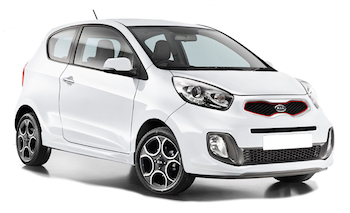
-
Dollar Rent a Car From£ 19 /day -
Thrifty From£ 19 /day -
Hertz From£ 24 /day
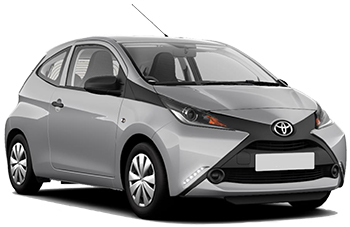
-
Dollar Rent a Car From£ 21 /day -
Thrifty From£ 23 /day -
Hertz From£ 23 /day
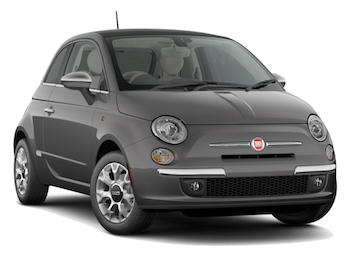
-
Europcar From£ 21 /day -
Thrifty From£ 22 /day -
Keddy By Europcar From£ 22 /day
-
Dollar Rent a Car From£ 22 /day -
Thrifty From£ 23 /day -
Hertz From£ 23 /day
-
Thrifty From£ 24 /day -
Hertz From£ 29 /day -
Dollar Rent a Car From£ 31 /day
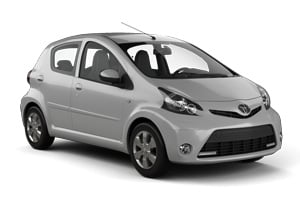
-
Europcar From£ 24 /day -
Budget From£ 24 /day -
Avis From£ 26 /day
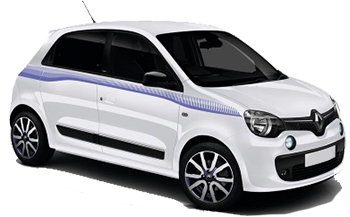
-
Alamo From£ 24 /day -
Enterprise From£ 29 /day -
National Car Rental From£ 32 /day
-
Thrifty From£ 25 /day -
Keddy By Europcar From£ 25 /day -
Dollar Rent a Car From£ 31 /day
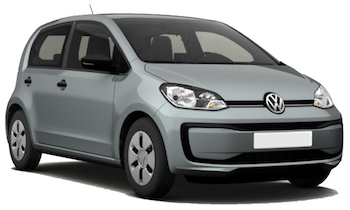
-
Green Motion From£ 24 /day -
Unirent Car Rental From£ 29 /day -
Budget From£ 31 /day
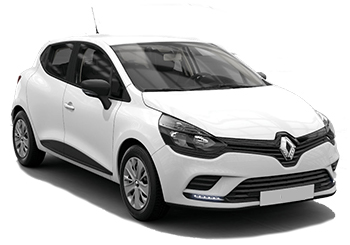
-
Europcar From£ 19 /day -
Thrifty From£ 20 /day -
Dollar Rent a Car From£ 21 /day
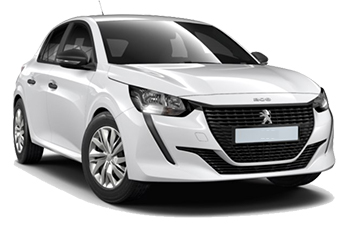
-
Thrifty From£ 20 /day -
Hertz From£ 29 /day

-
Dollar Rent a Car From£ 21 /day -
Hertz From£ 22 /day -
Thrifty From£ 23 /day
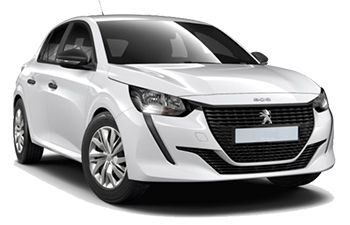
-
Dollar Rent a Car From£ 21 /day -
Hertz From£ 22 /day -
Thrifty From£ 23 /day
-
Hertz From£ 21 /day -
Thrifty From£ 23 /day -
Unirent Car Rental From£ 25 /day
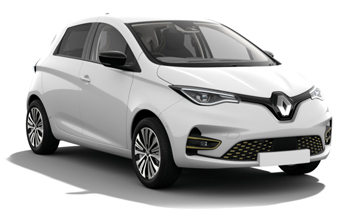
-
Europcar From£ 22 /day -
Keddy By Europcar From£ 26 /day
-
Thrifty From£ 24 /day -
Keddy By Europcar From£ 25 /day -
Avis From£ 27 /day
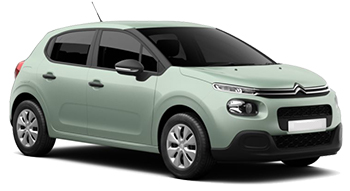
-
Europcar From£ 22 /day -
Keddy By Europcar From£ 25 /day -
Budget From£ 26 /day
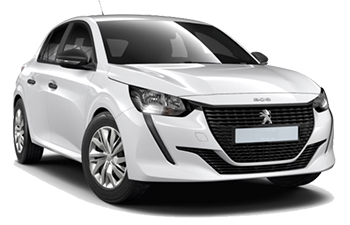
-
Hertz From£ 22 /day -
Thrifty From£ 23 /day -
Alamo From£ 24 /day
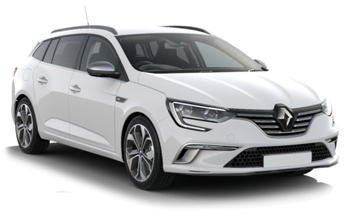
-
Europcar From£ 21 /day -
Keddy By Europcar From£ 24 /day -
Alamo From£ 27 /day

-
Thrifty From£ 22 /day -
Hertz From£ 35 /day
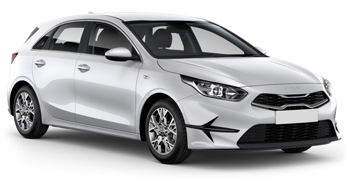
-
Dollar Rent a Car From£ 22 /day -
Hertz From£ 23 /day -
Thrifty From£ 25 /day
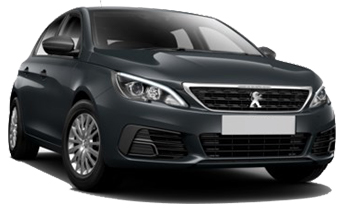
-
Dollar Rent a Car From£ 22 /day -
Hertz From£ 23 /day -
Thrifty From£ 24 /day
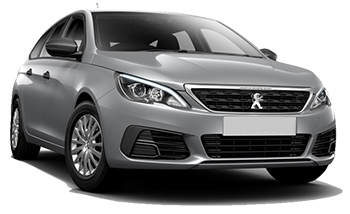
-
Hertz From£ 23 /day -
Budget From£ 27 /day -
Dollar Rent a Car From£ 27 /day
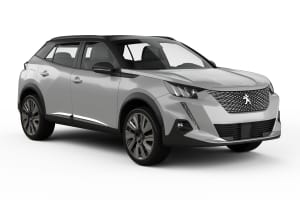
-
Dollar Rent a Car From£ 23 /day -
Thrifty From£ 23 /day -
Hertz From£ 28 /day
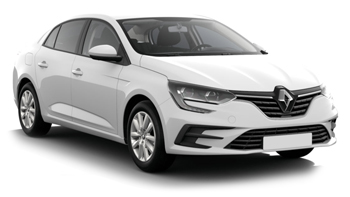
-
Keddy By Europcar From£ 25 /day -
Alamo From£ 30 /day -
Green Motion From£ 37 /day

-
Hertz From£ 24 /day -
Dollar Rent a Car From£ 25 /day -
Thrifty From£ 28 /day
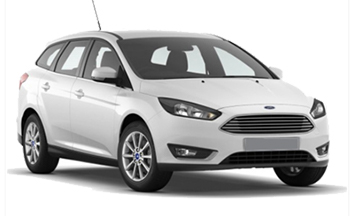
-
Europcar From£ 24 /day -
Keddy By Europcar From£ 26 /day -
Alamo From£ 30 /day
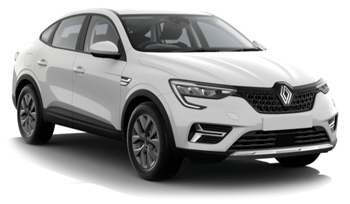
-
Budget From£ 31 /day -
Avis From£ 48 /day
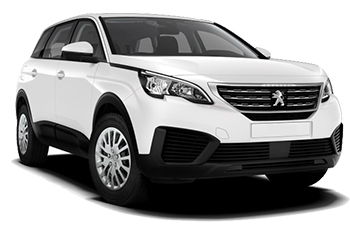
-
Alamo From£ 31 /day -
Enterprise From£ 34 /day -
National Car Rental From£ 35 /day
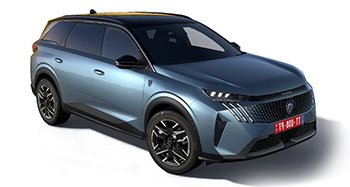
-
Alamo From£ 32 /day -
Enterprise From£ 37 /day -
National Car Rental From£ 38 /day
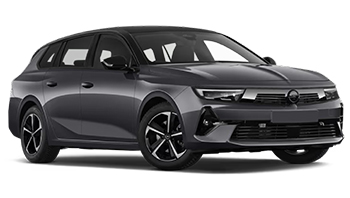
-
Alamo From£ 31 /day -
Enterprise From£ 39 /day
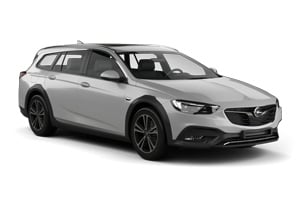
-
Alamo From£ 32 /day -
Enterprise From£ 40 /day -
National Car Rental From£ 42 /day
-
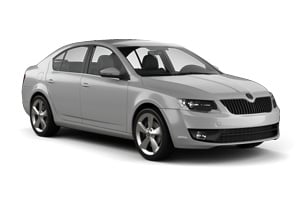
Unirent Car Rental From£ 33 /day -
Europcar From£ 36 /day -
Budget From£ 43 /day
-
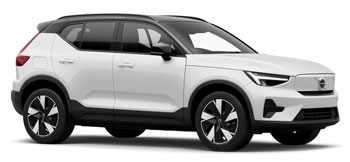
Dollar Rent a Car From£ 32 /day -
Thrifty From£ 35 /day -
Hertz From£ 36 /day
-
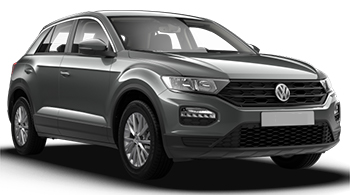
Unirent Car Rental From£ 35 /day -
Europcar From£ 36 /day
-
Unirent Car Rental From£ 33 /day -
Europcar From£ 35 /day -
Alamo From£ 36 /day
-
Hertz From£ 22 /day -
Dollar Rent a Car From£ 23 /day -
Thrifty From£ 24 /day
-
Hertz From£ 23 /day -
Thrifty From£ 23 /day -
Dollar Rent a Car From£ 28 /day
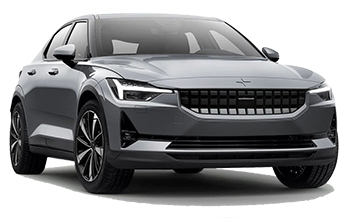
-
Hertz From£ 24 /day -
Thrifty From£ 29 /day -
Dollar Rent a Car From£ 29 /day
-
Dollar Rent a Car From£ 23 /day -
Hertz From£ 24 /day -
Thrifty From£ 25 /day
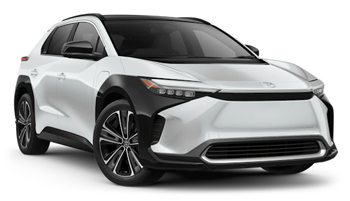
-
Hertz From£ 31 /day -
Dollar Rent a Car From£ 32 /day -
Thrifty From£ 40 /day
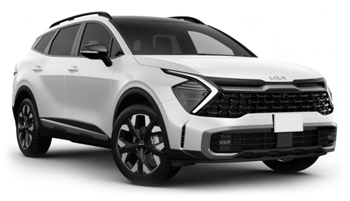
-
Hertz From£ 30 /day -
Thrifty From£ 37 /day -
Dollar Rent a Car From£ 43 /day
-
Hertz From£ 31 /day -
Thrifty From£ 38 /day -
Dollar Rent a Car From£ 43 /day
-
Green Motion From£ 32 /day -
Alamo From£ 37 /day -
Enterprise From£ 43 /day
-
Hertz From£ 37 /day -
Dollar Rent a Car From£ 37 /day -
Thrifty From£ 41 /day

-
Dollar Rent a Car From£ 39 /day -
Thrifty From£ 39 /day -
Hertz From£ 48 /day
-
Europcar From£ 41 /day
-
Europcar From£ 42 /day
-
Budget From£ 42 /day
-
Dollar Rent a Car From£ 48 /day -
Thrifty From£ 48 /day -
Hertz From£ 54 /day
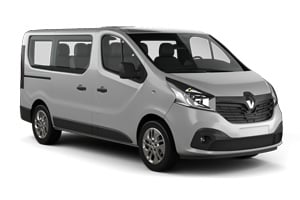
-
Enterprise From£ 42 /day -
Avis From£ 76 /day -
Sixt From£ 95 /day

-
Alamo From£ 44 /day -
Enterprise From£ 50 /day -
National Car Rental From£ 51 /day
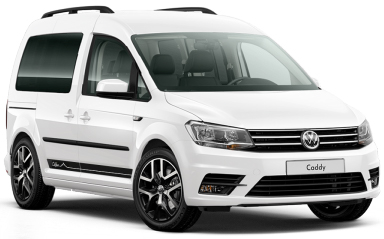
-
Europcar From£ 50 /day
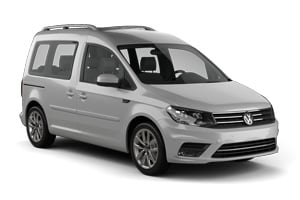
-
Europcar From£ 50 /day

-
Alamo From£ 37 /day -
Enterprise From£ 40 /day -
National Car Rental From£ 42 /day
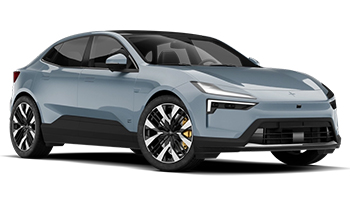
-
Thrifty From£ 37 /day
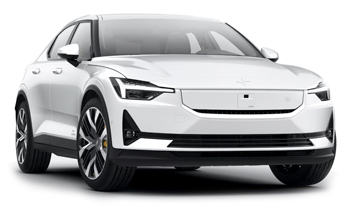
-
Europcar From£ 39 /day
-
Europcar From£ 39 /day
-
Thrifty From£ 40 /day
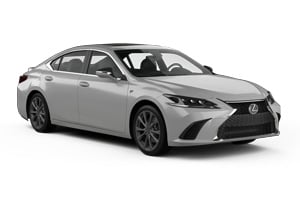
-
Budget From£ 39 /day
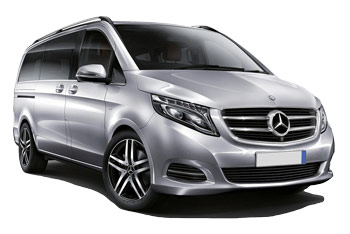
-
Budget From£ 47 /day -
Avis From£ 61 /day -
Hertz From£ 72 /day
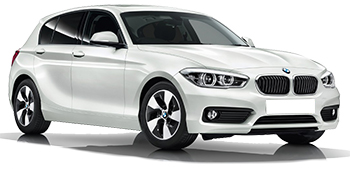
-
Avis From£ 44 /day -
Europcar From£ 56 /day
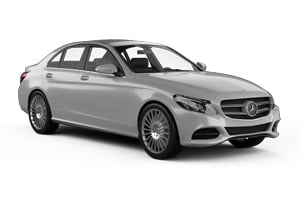
-
Alamo From£ 47 /day -
Enterprise From£ 49 /day -
National Car Rental From£ 50 /day
-
Dollar Rent a Car From£ 28 /day -
Thrifty From£ 28 /day -
Alamo From£ 29 /day
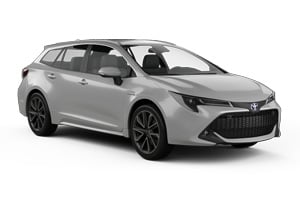
-
Thrifty From£ 28 /day -
Dollar Rent a Car From£ 36 /day -
Hertz From£ 37 /day
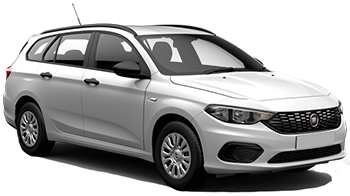
-
Budget From£ 31 /day -
Dollar Rent a Car From£ 41 /day -
Thrifty From£ 45 /day
-
Budget From£ 29 /day -
Dollar Rent a Car From£ 38 /day -
Thrifty From£ 45 /day
-
Green Motion From£ 29 /day -
Alamo From£ 31 /day -
Enterprise From£ 38 /day
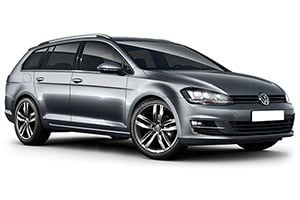
-
Unirent Car Rental From£ 32 /day -
Europcar From£ 35 /day
-
Alamo From£ 30 /day -
Dollar Rent a Car From£ 36 /day -
Enterprise From£ 38 /day
-
Unirent Car Rental From£ 31 /day -
Europcar From£ 35 /day -
Advantage Rent a Car From£ 50 /day
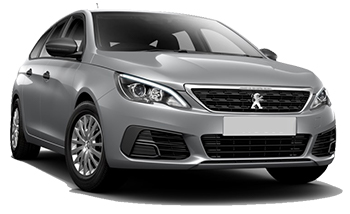
-
Avis From£ 32 /day -
Thrifty From£ 33 /day -
Alamo From£ 33 /day
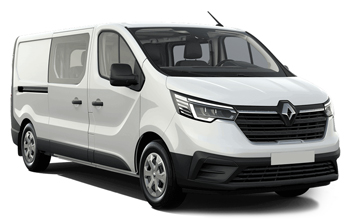
-
Alamo From£ 34 /day -
Enterprise From£ 40 /day -
National Car Rental From£ 42 /day
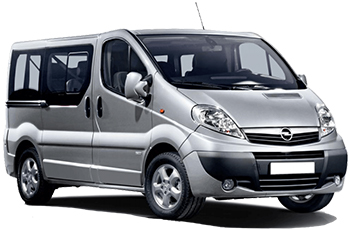
-
Enterprise From£ 42 /day -
Alamo From£ 65 /day -
National Car Rental From£ 67 /day
-
Budget From£ 47 /day -
Avis From£ 61 /day -
Hertz From£ 72 /day
-
Budget From£ 47 /day -
Avis From£ 61 /day -
Hertz From£ 73 /day
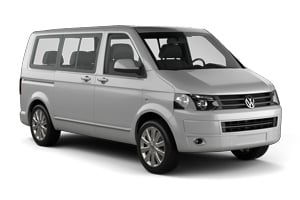
-
Europcar From£ 54 /day
-
Europcar From£ 53 /day -
Advantage Rent a Car From£ 75 /day
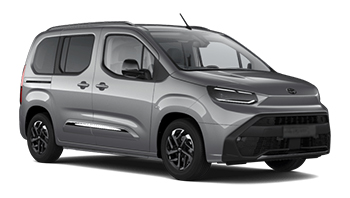
-
Hertz From£ 61 /day -
Budget From£ 68 /day -
Dollar Rent a Car From£ 75 /day
-
Budget From£ 57 /day -
Hertz From£ 61 /day -
Keddy By Europcar From£ 65 /day
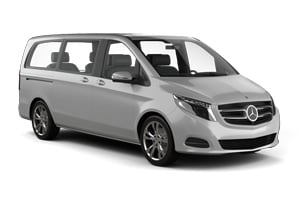
-
Budget From£ 65 /day -
Avis From£ 76 /day -
Europcar From£ 80 /day
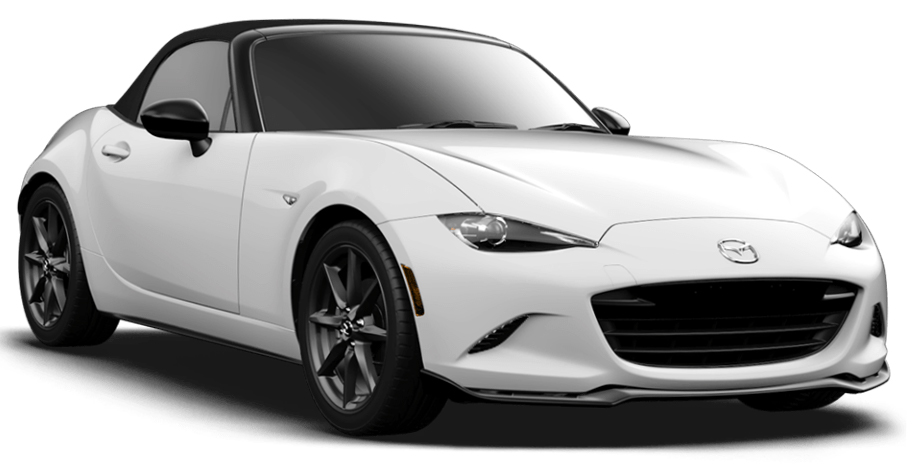
-
Hertz From£ 49 /day
-
Hertz From£ 55 /day
-
Europcar From£ 57 /day

-
Europcar From£ 57 /day
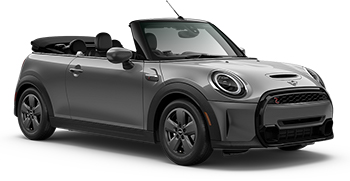
-
Hertz From£ 60 /day
-
Hertz From£ 58 /day
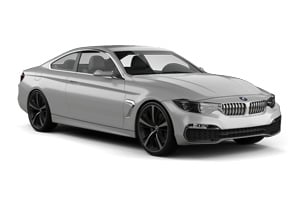
-
Hertz From£ 69 /day -
Sixt From£ 79 /day
-
Hertz From£ 64 /day -
Sixt From£ 79 /day
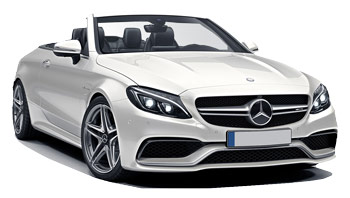
-
Sixt From£ 92 /day
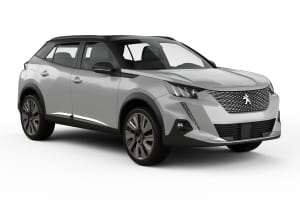
-
Thrifty From£ 22 /day -
Hertz From£ 35 /day
-
Thrifty From£ 27 /day -
Hertz From£ 50 /day
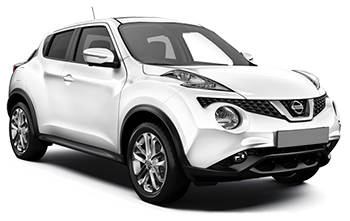
-
Alamo From£ 29 /day -
Avis From£ 33 /day -
Green Motion From£ 33 /day
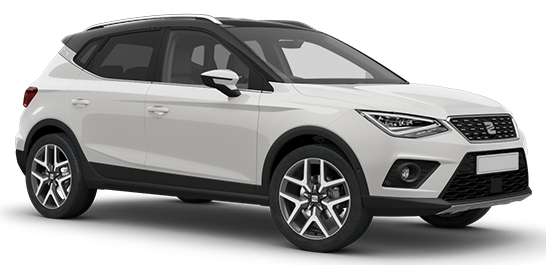
-
Alamo From£ 30 /day -
Enterprise From£ 36 /day -
National Car Rental From£ 39 /day
-
Hertz From£ 31 /day -
Keddy By Europcar From£ 38 /day -
Avis From£ 43 /day
-
Budget From£ 30 /day -
Hertz From£ 30 /day -
Avis From£ 33 /day
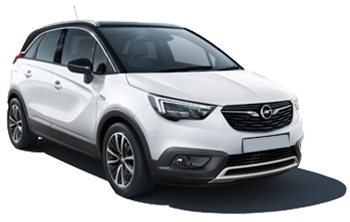
-
Hertz From£ 30 /day
-
Dollar Rent a Car From£ 35 /day -
Thrifty From£ 35 /day -
Hertz From£ 41 /day
-
Dollar Rent a Car From£ 32 /day -
Thrifty From£ 35 /day -
Hertz From£ 36 /day
-
Thrifty From£ 20 /day -
Hertz From£ 29 /day
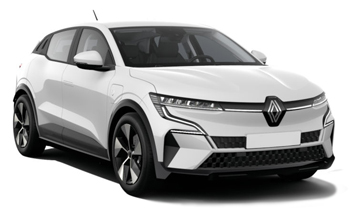
-
Europcar From£ 21 /day -
Keddy By Europcar From£ 24 /day
-
Hertz From£ 22 /day -
Dollar Rent a Car From£ 23 /day -
Thrifty From£ 24 /day
-
Thrifty From£ 22 /day -
Hertz From£ 35 /day
-
Europcar From£ 22 /day -
Keddy By Europcar From£ 26 /day
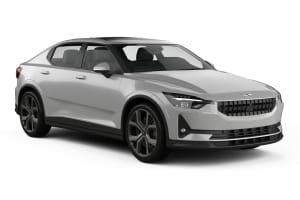
-
Dollar Rent a Car From£ 23 /day -
Hertz From£ 24 /day -
Thrifty From£ 25 /day
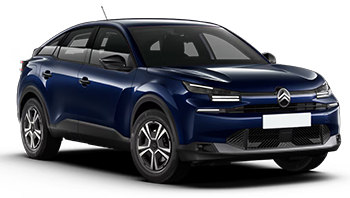
-
Europcar From£ 22 /day -
Keddy By Europcar From£ 25 /day
-
Keddy By Europcar From£ 25 /day -
Europcar From£ 52 /day
-
Hertz From£ 23 /day -
Thrifty From£ 23 /day -
Dollar Rent a Car From£ 28 /day
Popular cities in Switzerland


When to book a rental car in Switzerland
Switzerland - When is the most affordable time to rent a mini class car?
At this destination (Switzerland), October is the most affordable time to rent a mini class car with an average daily rate of
Switzerland - When is the most affordable time to rent a economy class car?
At this destination (Switzerland), October is the most affordable time to rent a economy class car with an average daily rate of
Switzerland - When is the most affordable time to rent a compact class car?
At this destination (Switzerland), October is the most affordable time to rent a compact class car with an average daily rate of
Switzerland - When is the most affordable time to rent an intermediate class car?
At this destination (Switzerland), October is the most affordable time to rent a intermediate class car with an average daily rate of
Switzerland - When is the most affordable time to rent a standard class car?
At this destination (Switzerland), October is the most affordable time to rent a standard class car with an average daily rate of
Switzerland - When is the most affordable time to rent a full-size car?
At this destination (Switzerland), October is the most affordable time to rent a full-size class car with an average daily rate of
Switzerland - When is the most affordable time to rent a luxury car?
At this destination (Switzerland), October is the most affordable time to rent a luxury class car with an average daily rate of
Switzerland - When is the most affordable time to rent a station wagon?
At this destination (Switzerland), October is the most affordable time to rent a station wagon with an average daily rate of
Switzerland - When is the most affordable time to rent a SUV?
At this destination (Switzerland), October is the most affordable time to rent an SUV with an average daily rate of
Switzerland - When is the most affordable time to rent a MPV?
At this destination (Switzerland), October is the most affordable time to rent an mpv with an average daily rate of
Switzerland - When is the most affordable time to rent a minivan?
At this destination (Switzerland), October is the most affordable time to rent a minibus with an average daily rate of
Switzerland - When is the most affordable time to rent a sports car?
At this destination (Switzerland), March is the most affordable time to rent a sports car with an average daily rate of
Switzerland - When is the most affordable time to rent a convertible?
At this destination (Switzerland), November is the most affordable time to rent a convertible with an average daily rate of
Switzerland - When is the most affordable time to rent a sedan?
At this destination (Switzerland), September is the most affordable time to rent a sedan with an average daily rate of
Switzerland Guide
Switzerland is best explored by rental car. Carrentals.co.uk has over 69 pick-up locations in Switzerland. This means there is always a pick-up location close to your destination.
Most popular car hire locations in Switzerland
Driving
Switzerland is known throughout the world for many things, from its cuisine, which includes cheese and chocolates, to its stunning natural landscapes that are dominated by the snow-capped peaks of the Swiss Alps. Driving through this country is an experience in itself, with beautiful sceneries to be had left and right. Visitors can head to the ski resorts of St Moritz and Zermatt or experience the arts and culture of Zürich.
Driving Tips for Switzerland
Switzerland has a good network of roads, although most are narrow and winding given that the country is mountainous. Driving can be dangerous during severe weather conditions, such as in heavy rainfall or winter. While snow tyres are not required, they are highly recommended in winter.
Driving licences: a UK driving licence is valid here.
Which side does Switzerland drive on: the right.
Speed limits:
Highways and dual carriageways: 75mph (120kph)
National or provincial roads: 62mph (100kph)
Local roads: 50mph (80kph)
Urban roads: 31mph (50kph)
Alcohol limits: 0.05 per cent; stricter than the UK limit of 0.08 per cent. Violators may be fined or imprisoned.
Driving age: 18 years.
Seatbelts: front and rear seat occupants need to wear seatbelts, if fitted. Children under 12 years of age must travel in a seat with a child restraint. Children under 12 years but more than five feet in height are exempted.
Mobile phones and GPS: it is possible to use a mobile phone while driving, but only with a hands-free kit. GPS can be used but the fixed speed camera point of interest feature must be deactivated.
Cost of fuel in Switzerland: cheaper than in the UK for both diesel and unleaded petrol.
Car hire and fuel payment: car rental companies accept credit cards. Credit card acceptance at petrol stations varies as automatic pumps may only accept banknotes.
Insurance: third-party is compulsory. Green Card insurance is recommended as it covers what domestic insurance policies do not.
Traffic and parking: traffic congestion is less of a problem here than in most other European countries. Many roads are old and narrow, so it can be difficult to find adequate parking spaces. At any rate, blue zone parking discs can be obtained from restaurants, petrol stations, kiosks, garages and police stations.
Transport
Trains
The rail network in this small country is highly developed, comprehensive and well-connected. Trains are reliable, punctual, comfortable and clean. One of the main operators is Schweizerische Bundesbahnen. Trains run frequently so there are no lengthy waits between connections. Information on routes and schedules is widely available. There are some scenic train rides that take advantage of the beautiful Swiss Alps. Fares vary depending on train type, route and class of travel. It may be a good idea to purchase a Swiss Pass, which grants visitors access not only to the railway system, but to all manner of public transport. A four-day, second-class pass costs £180.
Taxis
With the efficiency of the Swiss public transport system, taxis are not a preferred means of getting around, even within cities and towns. Taxis are available, of course, and many reputable companies are in operation. Taxis are metered but can be expensive, with the fare for a five-minute ride in a cab easily surpassing £12. The 20-minute ride from Zurich Airport to the city can set you back £40.
Buses
Like rail transport, buses are an effective means of travel within the country as they are well-integrated into other public transit systems and cover many destinations. PostBus Switzerland is one of the major operators, running both regional and rural bus routes at frequent intervals. Getting a Swiss Pass is the most convenient way of paying for fares. An all-day journey on a postal bus costs from £20 to £60.
Ferries
Switzerland has a number of lakes, one of which is the famous and very scenic Lake Geneva, one of the largest lakes in western Europe. Ferry operators, both big and small, operate on the large lakes. The Swiss Federal Railways (SBB) operates steamers for which travel passes are valid. These steamers cover Geneva, Constance, Lucerne and many other lakeshore locations. A Swiss Boat Pass can be purchased for just over £20 and is valid for one year, giving substantial discounts on ferry rides.
Airports
While getting to Switzerland is easy via overland routes, flying is a good option as well. The main international airports are Zurich Airport and Geneva International Airport. Both airports are connected to flight hubs in Europe, North Africa, North America, the Middle East and in the case of Zurich, Asia Pacific. British Airways, EasyJet and Swiss International have flights from London to both Swiss airports. A low-cost London to Geneva flight costs £30 on average if booked well in advance, with flights to Zurich priced higher.
Explore
Exploring Switzerland
There is perhaps no other small country that is so filled to the brim with such amazing travel experiences as Switzerland. The beautiful lakeside city of Geneva is a must-see for its cosmopolitan ambience, beautiful setting and rich history, arts and culture.
The largest city of Switzerland and its financial capital, Zurich, is not to be missed. For many people, this is their gateway to the country. There are many sights to see here, including the Romanesque church of Grossmünster. Nightlife is famous here, too, with the city having the largest concentration of clubs in the region.
In Switzerland's Italian-speaking region, the city of Lugano attracts visitors with its picturesque views of the lake of the same name and the Alps, as well as its food. The city is especially good to visit in the summer when outdoor activities such as swimming, biking and hiking are popular.
The outdoor and adventure capital of Switzerland, however, goes to the city of Interlaken in the Bernese Highlands. All manner of adventure can be had in this scenic city in the Alpine highlands, from paragliding, bungee jumping and hiking, to sailing, skiing and many other activities.
Our Travel Editor's Recommended Drives
Great St Bernard Pass – the third highest mountain pass in Europe connects Martigny in Switzerland to Aosta in northern Italy. The drive here offers some of the most beautiful Alpine sceneries in Switzerland.
Furka Pass – the winding roads of this scenic pass connect Gletsch and Realp. They offer views of the snow-capped peaks of the Alps like no other.
Simplon Pass Road – rising to more than 6,000 feet, the Simplon Pass gained prominence during the Napoleonic occupation. The pass connects Brig in Switzerland to Domodossola in Italy.
Holidays and Festivals
New Year's Day (1 January)
St Berchtold Day (2 January)
Epiphany Day (6 January)
Good Monday (April)
Easter Monday (April)
Ascension Day (13 May)
Whit Monday (May or June)
Swiss National Day (1 August)
Christmas Day (25 December)
St Stephen's Day (26 December)
Weather
Switzerland has many Alpine regions and it is for this reason that the climate varies. The highlands naturally experience glacial conditions and are where winters can be harsh, snowy and downright cold. In Interlaken, for example, temperatures average -2°C to 4°C in January. However, this is the best time for skiing, particularly from December to April. Other regions are warmer in the summer (June to August), when tourists typically flock to the country.
Practical Stuff
Switzerland Travel Tips
Switzerland is a prosperous, generally safe country to travel in. It is a favoured destination by many due to its varying cultures and natural landscapes. Here are a few travel tips to keep in mind while visiting.
Switzerland contact numbers
Country code - (+41)
Emergency services – 117
British Embassy – +41 31 359 7700
British Consular Emergency Services – +41 31 359 77 00
US Embassy – +41 31 357 70 11
Irish Embassy – +41 31 352 14 42
Australian Embassy – +41 22 799 910
Canadian Embassy – +41 31 357 3200
Traffic news/weather/road accidents – 163
Money matters
The official currency is the Swiss franc (CHF, SFr). Currency can be exchanged in banks and bureaux de change, which are widely available, especially in airports and train stations. ATMs are widely available, too. Diners Club, American Express, Visa and MasterCard are widely accepted. Travellers' cheques in pounds sterling, US dollars and Euros are accepted.
Health and safety
Vaccinations are not required to enter and travel through the country. Having comprehensive travel or health insurance coverage is strongly advised. Medical services here can be very expensive when paid for from your own pocket.
Fitting in…
The Swiss are friendly to the many visitors they take in yearly. However, adhering to a few local customs will ensure an enjoyable travel experience. Learning a few phrases of the local language is greatly appreciated even though English is widely spoken as a foreign language. Being late is highly frowned upon.
Visas for Switzerland
Switzerland is part of the Schengen Agreement. Visas are not required for citizens of other Schengen countries, the UK, the US, Australia and Canada, so long as the traveller presents their national ID card (Schengen and EU citizens only) or passport on arrival. Passports must be valid for three months beyond stay and stays of three months are typically granted to those who don’t qualify for indefinite stay.
Electricity
Voltage in the country is 220 Volts AC and 50 Hertz. Visitors from the UK and Ireland will have no problem using their appliances here so long as they bring an adapter for three-pin, round plugs (SEV 1011 specific to Switzerland). Other nationalities will have to use a transformer for devices from home.
Business hours
Businesses: 08:00 or 09:00 to 19:00 or 20:00, Monday to Friday
Government offices: 07:15 or 09:00 to 16:00 or 17:00, Monday to Friday
Shops: 09:00 to 18:30, Monday to Saturday
Banks: 08:30 to 16:00, Monday to Friday
Helpful phrases
A huge part of the country is German-speaking; however, there are regions where French, Italian or Romansh, an ancient Latin language, is the predominant language. All four languages are official languages of the country.
Hallo – Hello
Ja/Nein – Yes/no
Danke – Thank you
Ich verstehe nicht – I don’t understand
Was kostet das? – How much is this?
Sprechen Sie Englisch? – Do you speak English?
Wo ist…? – Where is… ?
Practical information
-
CurrencySwiss franc
-
Driving directionRight
-
City speed limit50 km/h
-
Freeway speed limit80 km/h
-
LanguageGerman, French, Italian
-
Popular car categoryCompact
What most people want to know
The following questions and answers are a selection of the most popular questions. If you do not find the answer to your question, have a look at the Frequently Asked Questions page or contact us.
- Unirent Car Rental
- Avis
- Hertz
- Budget
- Europcar
- Thrifty
- Dollar Rent a Car
- Keddy By Europcar
- Sixt
- National Car Rental
- Alamo
- Flizzr
- Enterprise
- Green Motion
- Red Spot Car Rental
- RPS Luxe
- Elite (Luxury)
- Acarent
- AVIS Car-Away
- RentScape
- McRent
- CITROEN
- AbsoluteCar
- Your Rent
- Edel & Stark
- FireFly Car Rental
- NÜ Car Rentals
- Advantage Rent a Car