
- Over 1 million successful rentals
- Popular countries
- Popular regions
- Popular cities
- Popular airports
- Car Hire United Kingdom
- Car Hire Spain
- Car Hire Italy
- Car Hire France
- Car Hire United States
- Car Hire Portugal
- Car Hire Greece
- Car Hire Ireland
- Car Hire Cyprus
- Car Hire Switzerland
- Car Hire Germany
- Car Hire Croatia
- Car Hire Turkey
- Car Hire Canada
- Car Hire South Africa
- Car Hire Austria
- Car Hire Poland
- Car Hire Australia
- Car Hire Netherlands
- Car Hire Denmark
- Car Hire England
- Car Hire Scotland
- Car Hire Majorca
- Car Hire Florida
- Car Hire California
- Car Hire Crete
- Car Hire Sicily
- Car Hire Sardinia
- Car Hire Menorca
- Car Hire Wales
- Car Hire Kefalonia
- Car Hire Tenerife
- Car Hire Channel Islands
- Car Hire Corsica
- Car Hire Madeira
- Car Hire Gran Canaria
- Car Hire Fuerteventura
- Car Hire Isle of Man
- Car Hire Santorini
- Car Hire Azores
- Car Hire London
- Car Hire Faro
- Car Hire Malaga
- Car Hire Manchester
- Car Hire Alicante
- Car Hire Palma de Mallorca
- Car Hire Edinburgh
- Car Hire Dublin
- Car Hire Geneva
- Car Hire Nice
- Car Hire Paphos
- Car Hire Pisa
- Car Hire Birmingham
- Car Hire Lisbon
- Car Hire Milan
- Car Hire Larnaca
- Car Hire Glasgow
- Car Hire Orlando
- Car Hire Bristol
- Car Hire Rome
- Car Hire London Heathrow Airport
- Car Hire Faro Airport
- Car Hire London Gatwick Airport
- Car Hire Malaga Airport
- Car Hire Alicante Airport
- Car Hire Manchester Airport
- Car Hire Mallorca Airport
- Car Hire Dublin Airport
- Car Hire Edinburgh Airport
- Car Hire Nice Airport
- Car Hire London Stansted Airport
- Car Hire Paphos Airport
- Car Hire Pisa Airport
- Car Hire Lisbon Airport
- Car Hire Birmingham Airport
- Car Hire Larnaca Airport
- Car Hire London Luton Airport
- Car Hire Geneva Airport (Switzerland)
- Car Hire Orlando International Airport
- Car Hire Glasgow Airport
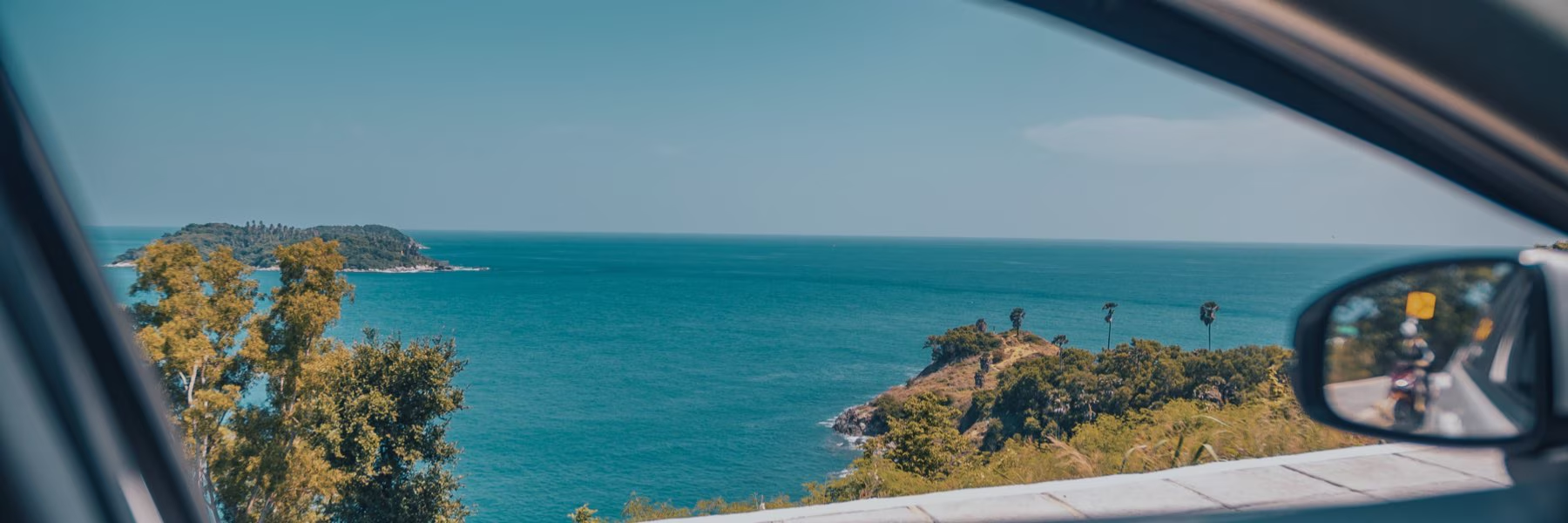
Car Hire Kenya
Save time and money. We compare the offers of car rental companies in Kenya on your behalf.
- Free cancellation Up to 48 hours prior to the scheduled pick-up time
- Best price guarantee Have you found a better price? Let us know and we will make you a better offer.
- 24000+ pick-up locations Locations around the world

Compare Car Hire
Carrentals.co.uk offers simple and straightforward car hire comparison services. We don't add a penny to your quotes!
Car rental offers in Kenya
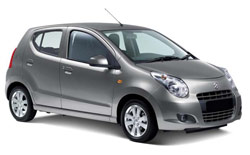
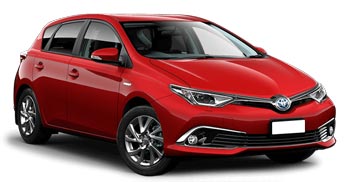
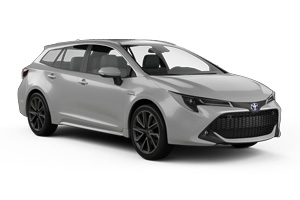
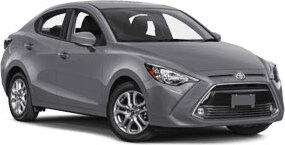
Whether you're looking for a small rental car or a station wagon for the entire family, we will always have a suitable vehicle at the lowest price. Below are some examples from our selection in Kenya.

-
Autounion Car Rental From£ 15 /day
-
Autounion Car Rental From£ 22 /day
-
Autounion Car Rental From£ 18 /day
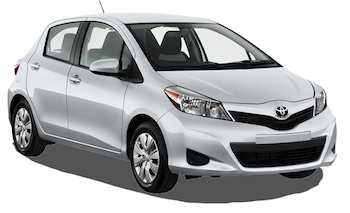
-
Autounion Car Rental From£ 18 /day -
Green Motion From£ 26 /day
-
Autounion Car Rental From£ 25 /day
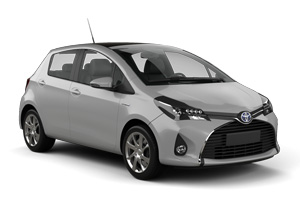
-
Autounion Car Rental From£ 25 /day -
Green Motion From£ 32 /day
-
Autounion Car Rental From£ 29 /day

-
Autounion Car Rental From£ 18 /day -
Green Motion From£ 29 /day
-
Autounion Car Rental From£ 19 /day -
Green Motion From£ 28 /day
-
Autounion Car Rental From£ 25 /day -
Green Motion From£ 32 /day
-
Autounion Car Rental From£ 26 /day -
Green Motion From£ 36 /day
-
Autounion Car Rental From£ 29 /day
-
Europcar From£ 38 /day

-
Autounion Car Rental From£ 43 /day
-
Europcar From£ 47 /day

-
Autounion Car Rental From£ 21 /day
-
Autounion Car Rental From£ 28 /day

-
Autounion Car Rental From£ 32 /day
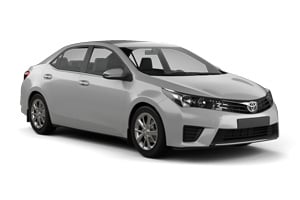
-
Autounion Car Rental From£ 32 /day

-
Autounion Car Rental From£ 56 /day
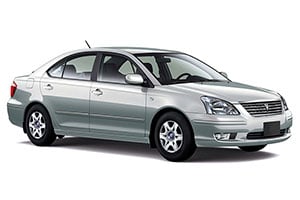
-
Autounion Car Rental From£ 34 /day
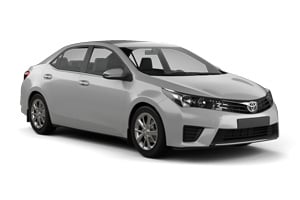
-
Europcar From£ 38 /day

-
Green Motion From£ 70 /day
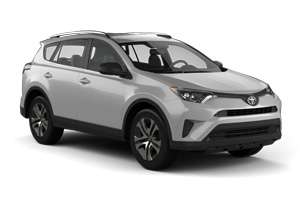
-
Autounion Car Rental From£ 45 /day -
Green Motion From£ 62 /day
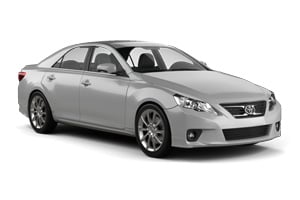
-
Europcar From£ 55 /day
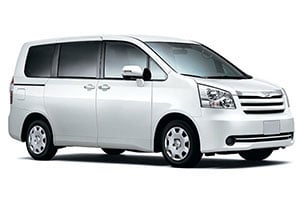
-
Europcar From£ 55 /day

-
Autounion Car Rental From£ 70 /day
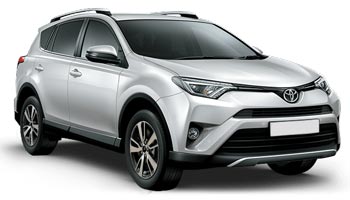
-
Europcar From£ 55 /day
-
Autounion Car Rental From£ 65 /day -
Europcar From£ 73 /day
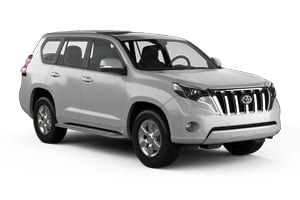
-
Green Motion From£ 138 /day
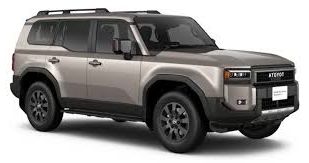
-
Green Motion From£ 99 /day
-
Green Motion From£ 139 /day
-
Green Motion From£ 100 /day
-
Autounion Car Rental From£ 50 /day -
Green Motion From£ 58 /day
-
Autounion Car Rental From£ 57 /day -
Green Motion From£ 64 /day
-
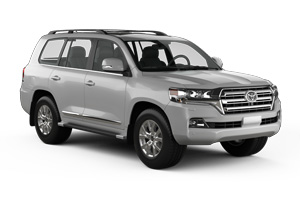
Autounion Car Rental From£ 72 /day
-
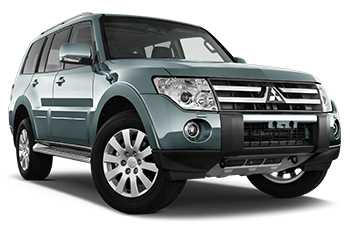
Autounion Car Rental From£ 76 /day -
Green Motion From£ 99 /day
-
Autounion Car Rental From£ 81 /day -
Green Motion From£ 105 /day

-
Autounion Car Rental From£ 79 /day
-
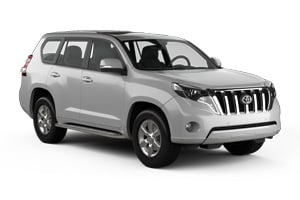
Autounion Car Rental From£ 104 /day
-
Autounion Car Rental From£ 106 /day
-
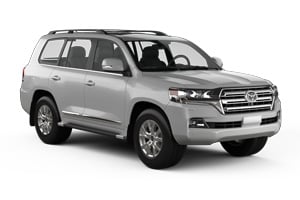
Europcar From£ 94 /day
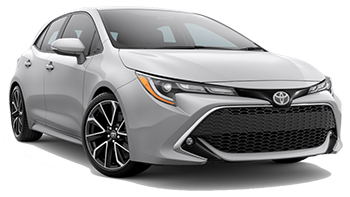
-
Green Motion From£ 28 /day
-
Green Motion From£ 32 /day
-
Europcar From£ 38 /day
-
Europcar From£ 47 /day
-
Europcar From£ 55 /day -
Autounion Car Rental From£ 68 /day
-
Autounion Car Rental From£ 43 /day
-
Autounion Car Rental From£ 45 /day -
Green Motion From£ 62 /day -
Europcar From£ 73 /day
-
Autounion Car Rental From£ 70 /day -
Green Motion From£ 70 /day
-
Europcar From£ 55 /day
-
Autounion Car Rental From£ 81 /day -
Green Motion From£ 105 /day
-
Autounion Car Rental From£ 72 /day -
Green Motion From£ 99 /day
-
Autounion Car Rental From£ 76 /day -
Green Motion From£ 99 /day
-
Autounion Car Rental From£ 104 /day -
Green Motion From£ 138 /day
-
Autounion Car Rental From£ 79 /day -
Green Motion From£ 100 /day

When to book a rental car in Kenya
Kenya - When is the most affordable time to rent a mini class car?
At this destination (Kenya), March is the most affordable time to rent a mini class car with an average daily rate of
Kenya - When is the most affordable time to rent a economy class car?
At this destination (Kenya), May is the most affordable time to rent a economy class car with an average daily rate of
Kenya - When is the most affordable time to rent a compact class car?
At this destination (Kenya), May is the most affordable time to rent a compact class car with an average daily rate of
Kenya - When is the most affordable time to rent an intermediate class car?
At this destination (Kenya), March is the most affordable time to rent a intermediate class car with an average daily rate of
Kenya - When is the most affordable time to rent a standard class car?
At this destination (Kenya), August is the most affordable time to rent a standard class car with an average daily rate of
Kenya - When is the most affordable time to rent a full-size car?
At this destination (Kenya), March is the most affordable time to rent a full-size class car with an average daily rate of
Kenya - When is the most affordable time to rent a luxury car?
At this destination (Kenya), April is the most affordable time to rent a luxury class car with an average daily rate of
Kenya - When is the most affordable time to rent a station wagon?
At this destination (Kenya), May is the most affordable time to rent a station wagon with an average daily rate of
Kenya - When is the most affordable time to rent a SUV?
At this destination (Kenya), March is the most affordable time to rent an SUV with an average daily rate of
Kenya - When is the most affordable time to rent a MPV?
At this destination (Kenya), March is the most affordable time to rent an mpv with an average daily rate of
Kenya - When is the most affordable time to rent a minivan?
At this destination (Kenya), October is the most affordable time to rent a minibus with an average daily rate of
Kenya Guide
Kenya is best explored by rental car. Carrentals.co.uk has over 2 pick-up locations in Kenya. This means there is always a pick-up location close to your destination.
Most popular car hire locations in Kenya
Driving
Kenya offers visitors a wide range of diverse landscapes, from the coast of the Indian Ocean to the highest peaks of Mount Kenya. A four-wheel drive, safari car or jeep is a fantastic way to drive along the coast, through the Great Rift Valley and to the national parks and game reserves. Driving around Kenya will result in an unforgettable journey with some breathtaking scenery.
Driving Tips for Kenya
Getting around Kenya by car is not easy, but it is still the best way to discover the country. Main routes are in relatively good condition, while smaller roads require more caution as they are often poorly maintained. There is little or no signage, but a good map will help you to navigate.
Driving licences: UK drivers can drive here for up to three months with a valid UK driving licence. After three months, an International Driving Permit is needed.
Which side does Kenya drive on: the left.
Speed limits:
Highways and freeways: 68mph (110kph)
Major roads and small highways: 62mph (100kph)
Outside built-up areas: 49mph (80kph)
Built-up areas: 31mph (50kph)
Alcohol limits: the same as the UK, at 0.08 per cent, with moderate fines. This limit is not strictly enforced so drivers should be cautious of drunk drivers.
Driving age: 18 years; 23 years to hire a car.
Seatbelts: are compulsory for drivers and all passengers, if fitted. There are no laws in regards to child restraints but it is recommended appropriate restrains are used for children that are less than 1.50 metres high.
Mobile phones and GPS: it is prohibited to use a mobile phone while driving unless it is accompanied by a hands-free kit. GPS is allowed and can be useful.
Cost of fuel in Kenya: cheaper than in the UK.
Car hire and fuel payment: credit cards are accepted as payment for car hire and petrol at major fuel stations, but some small outfits may only accept cash.
Insurance: third-party insurance comes with car hire but additional insurance is recommended due to the regularity of break-ins, theft and collisions.
Traffic and parking: traffic in Nairobi is horrendous, although parking is easy to find. Still, it is best to avoid driving here altogether; instead leave your vehicle in a secure car park. Traffic in other cities is not nearly as bad, while there is no congestion and ample parking in the game parks.
Transport
Trains
There are no trains linking Kenya to neighbouring countries; however, there is a train that runs between Nairobi and Kisumu near the border of Uganda. Domestic trains run between Nairobi and the coastal city of Mombasa at second class fares of around £20. Rail travel in Kenya is slower than travelling by road or air, and often more expensive than travel by bus. There are four berths in second class, which are separated by gender. If travelling as a couple, you may wish to purchase all four-berths or to travel in first class, which has just two-berths. A journey in first-class is around £35 per berth. Trains are operated by the Kenyan Railway Corporation.
Taxis
Shared taxis are available in most cities throughout Kenya and are usually Peugeot station wagons that take up to nine passengers. They are a great alternative to local buses, although they are more expensive. Private taxis can be found in most major cities but are more expensive than shared taxis. They do not run on metres but instead charge according to destination, with a short journey costing around £2. It is best to negotiate the fare before getting in. In small towns there are bicycle taxis (boda-boda) that cost less than £0.20 for a short journey.
Buses
Long-distance buses arrive at Nairobi from Arusha (Tanzania), at Mombosa from Dar-es-Salaam (Tanzania) and at Kisumu from Kampala (Uganda). Inter-city buses link major cities in Kenya, although they are not known to be reliable. If travelling by bus, use a reputable company such as Coast Bus or Easy Coach. The fare in a comfortable, air-conditioned bus from Nairobi to Mombasa or from Nairobi to Kisumu is around £10. Kenya Bus Service runs inner-city buses within Nairobi and a single fare costs around £0.30. In other cities and towns, there are local buses called matatus which are minibuses that run anywhere that there is a road, offering a cheap way to get from A to B.
Ferries
Kenya Railways operates a ferry service across Lake Victoria to Kisumu from Port Bell (Uganda) and from Mwanza (Tanzania). Ferries also run across the Kilindini Harbour, connecting the island of Mambosa with the mainland. These are free for passengers, but cars must pay around £0.50. For information and schedules, visit Kenya Ferry Services.
Airports
Jomo Kenyatta International Airport is Kenya’s busiest airport, receiving flights directly from London-Heathrow with British Airways and Kenya Airways. The alternative is to arrive at Moi International Airport, which receives flights from London-Heathrow and Manchester with low-cost carriers Monarch Airlines and Thomson Airways. Air travel within Kenya itself is popular due to the poor road conditions, with fares from Nairobi to Kisumu typically costing between £45 and £55.
Explore
Exploring Kenya
Most visitors start their Kenyan exploration in the capital city of Nairobi, which is filled with attractions and offers a fantastic introduction to the country. It is also known as Africa’s safari capital, with such places as Sheldrick Elephant Orphanage, Nairobi National Park and Ol Donyo Sabuk National Park nearby. It also has plenty of cultural sites, including the Nairobi National Museum, the Nairobi Gallery and the Bomas of Kenya.
The island of Mombasa, along the coast of the Indian Ocean, is popular for its white sandy beaches, Hindu temples, Mombasa tusks and Mombasa sandals. Lamu, to the north, is a little bit more relaxed and offers quieter beaches.
Maasai Mara National Reserve is one of Kenya’s most famous reserves and where visitors come to see the best of Kenyan wildlife. Here, visitors can spot leopards, elephants, wildebeest, zebras, giraffes, lions and hyenas, among other animals. It also has some spectacular landscapes.
Lake Turkana National Park in the Northern Rift Valley is where visitors will find the Sibiloi National Park, which is famous for its fossils. The Southern Rift Valley is home to Lake Nakuru National Park, which is a bird lover’s haven, housing over 400 species of bird.
Our Travel Editor’s Recommended Drives
Masai Mara National Park – this is the most visited safari park in the world and definitely the most visited attraction in Kenya. From Nairobi, drive west along highway B3 to Narok and then head south to the park. The journey takes five hours in the dry season and longer in the rain.
Rift Valley – a scenic drive through the Southern Rift Valley where visitors will find the spectacular Lake Nakuru, which is famous for its pink flamingos.
Lake Victoria – explore this massive African Great Lake, which is the world’s second biggest freshwater lake. From Nairobi, head west along the B3 until you reach the lake, where it is possible to take a cruise and visit its islands or go on a fishing expedition.
Mombasa Coast – a spectacular drive from Nairobi through the Tsavo East National Park takes visitors to Coastal Kenya to discover its laid-back, relaxing beaches.
Holidays and Festivals
New Year’s Day (1 January)
Easter (March/April)
Moi Day (10 October April)
Labour Day (1 May)
Madaraka Day (1 June)
Kenyatta Day (20 October)
Jamhuri/Independence Day (12 December)
Christmas Day (25 December)
Boxing Day (26 December)
Weather
The weather in Kenya varies according to region, but in general one can expect either tropical or arid weather. February and March are the hottest months when the temperature can rise to as high as 40ËC, while July and August are the coolest months and can see the mercury drop to as low as 10ËC. The region along the coast is hotter and more humid than the interior regions, with Western Kenya being the rainiest part of the country.
Practical Stuff
Kenya Travel Tips
Kenya is a fantastic holiday spot for nature lovers thanks to its diverse landscapes and magnificent wildlife. Many UK visitors can’t get enough of the country and visit time and time again. Security can be an issue, but common sense goes a long way here. Many of Kenya’s attractions are unique and can best be appreciated by following a few key travel tips.
Kenya contact numbers
Country code - (+254)
Emergency services – 999
British High Commission – +254 20 2844 000
US Embassy – +254 20 363 6000
Canadian High Commission – +254 20 366 3000
Irish Honorary Consulate – +254 20 235 7242
Australian High Commission – +254 20 444 5034
Tourist help (24 hours) – +254 2 604 764
Money matters
Kenya uses the Kenyan shilling, with KES 1 being made up by 100 cents. Bills used include KES 50, 100, 200, 500 and 1,000, while coins are available in 5, 10 and 50 cent pieces. There are also Kenyan shilling coins, which can be found in denominations of KES 1, 5, 10, 20 and 40. It is easy to buy Kenyan shilling with most currencies in Nairobi, but elsewhere businesses may only accept US Dollars, Pounds sterling or Euro. Large hotels and tour agents also accept these currencies as payment.
Health and safety
Recommended vaccinations include typhoid, hepatitis A and B, rabies, meningococcal meningitis and polio, which should be administered at least four weeks before travel. Malaria is a risk here, so be sure to wear insect-repellent and cover up as much as possible during sundown and sunset. Diarrhoea is common among travellers in Kenya. It is important to stick to bottled water and to check that the bottle’s seal is intact before opening it.
Fitting in…
Jambo, which is used when greeting people, is the most useful phrase of any traveller. If used, Kenyans will welcome you with open arms. Locals here are extremely relaxed and care-free people, and have a good sense of humour. Kenya is still very much a male dominated society so women should avoid going out at night on their own and should always dress appropriately.
Visas for Kenya
UK citizens need a visa to enter Kenya, as do citizens from other EU countries, the US, Canada and Australia, but visas can be obtained on arrival at the airport for £30 or ahead of time at a Kenyan embassy or consulate.
Electricity
Here they use 220-240 Volts, as in Europe, and plugs are three pronged, like in the UK. Visitors wishing to use electronics with different plugs should carry an adaptor, while American and Canadian visitors will need a converter for items that are not made for 240 Volts.
Business hours
Businesses: 09:00 to 13:00 and 14:00 to 17:00, Monday to Friday
Government offices: 08:00 to 17:00, Monday to Friday
Shops: 08:00 to 18:00, Monday to Friday, 09:00 to 16:00, Saturday
Banks: 09:00 to 15:00, Monday to Friday, 09:00 to 11:00, Saturday
Helpful phrases
Jambo/Habari – Hello
Kwaheri - Goodbye
Lala salama - Good night
Tafadhali – Please
Asante (sana) – Thank you (very much)
Samahani - Sorry
Ndiyo/hapana – Yes/no
Nimepotea – I am lost
Sielewi – I don't understand
Bei gan? – How much?
Ni wapi… ? – Where is… ?
Unazungumza kiingereza? - Do you speak English?
Practical information
-
CurrencyKenyan shilling
-
Driving directionLeft
-
City speed limit50 km/h
-
Freeway speed limit100 km/h
-
LanguageEnglish, Swahili
-
Popular car categoryEconomy
What most people want to know
The following questions and answers are a selection of the most popular questions. If you do not find the answer to your question, have a look at the Frequently Asked Questions page or contact us.
- Europcar
- Autounion Car Rental
- Green Motion
- Express Impress
- Avis
- Budget
- Hertz
- Advantage Rent a Car
- U-Save Auto Rental
- Right Cars