
- Over 1 million successful rentals

Car Hire Ireland
Save time and money. We compare the offers of car rental companies in Ireland on your behalf.
- Free cancellation Up to 48 hours prior to the scheduled pick-up time
- Best price guarantee Have you found a better price? Let us know and we will make you a better offer.
- 24000+ pick-up locations Locations around the world

Compare Car Hire
Carrentals.co.uk offers simple and straightforward car hire comparison services. We don't add a penny to your quotes!
Car rental offers in Ireland
Whether you're looking for a small rental car or a station wagon for the entire family, we will always have a suitable vehicle at the lowest price. Below are some examples from our selection in Ireland.
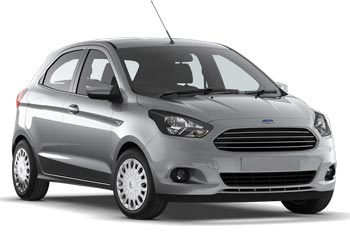
-
Carhire From£ 4 /day -
Budget From£ 8 /day -
Payless Car Rental From£ 8 /day
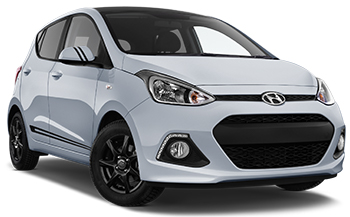
-
Carhire From£ 4 /day -
Keddy By Europcar From£ 9 /day -
Payless Car Rental From£ 10 /day
-
Carhire From£ 10 /day -
Flizzr From£ 13 /day -
Sixt From£ 14 /day
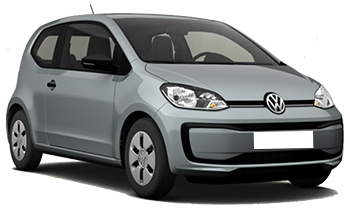
-
Thrifty From£ 7 /day -
Keddy By Europcar From£ 8 /day -
Budget From£ 8 /day
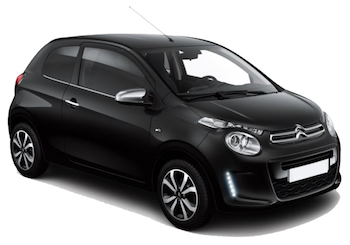
-
Thrifty From£ 7 /day -
Dollar Rent a Car From£ 9 /day
-
Carhire From£ 10 /day -
Keddy By Europcar From£ 15 /day -
Europcar From£ 17 /day
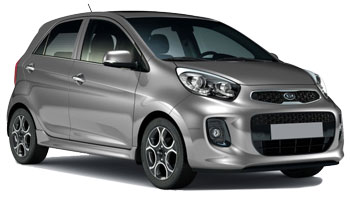
-
Thrifty From£ 7 /day -
Hertz From£ 8 /day -
Payless Car Rental From£ 9 /day
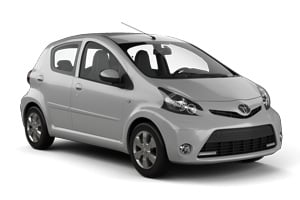
-
Thrifty From£ 8 /day -
Payless Car Rental From£ 8 /day -
Dollar Rent a Car From£ 9 /day
-
Thrifty From£ 12 /day -
Dollar Rent a Car From£ 16 /day

-
Carhire From£ 6 /day -
Budget From£ 9 /day -
Europcar From£ 9 /day
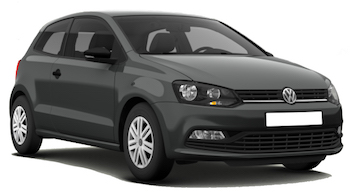
-
Carhire From£ 6 /day -
Budget From£ 8 /day -
Thrifty From£ 8 /day
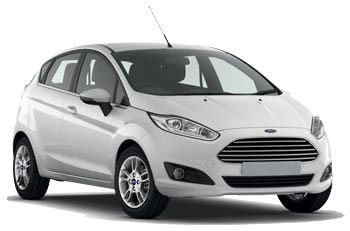
-
Carhire From£ 10 /day -
Keddy By Europcar From£ 13 /day -
Flizzr From£ 14 /day
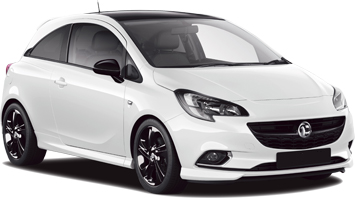
-
Thrifty From£ 7 /day -
Dollar Rent a Car From£ 10 /day -
Flizzr From£ 12 /day
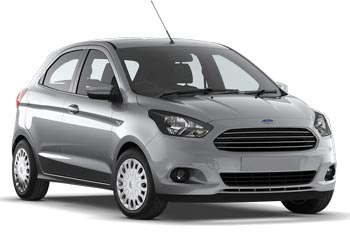
-
Thrifty From£ 7 /day
-
Thrifty From£ 12 /day -
Dollar Rent a Car From£ 15 /day -
Flizzr From£ 17 /day
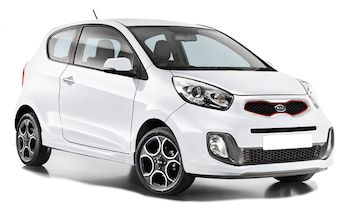
-
Thrifty From£ 7 /day -
Dollar Rent a Car From£ 11 /day
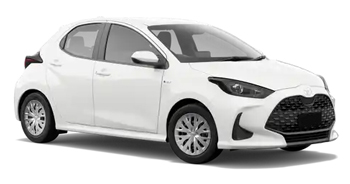
-
Carhire From£ 8 /day -
Flizzr From£ 12 /day -
Sixt From£ 12 /day
-
Flizzr From£ 13 /day -
Dollar Rent a Car From£ 13 /day -
Carhire From£ 14 /day
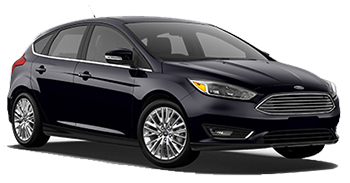
-
Carhire From£ 7 /day -
Keddy By Europcar From£ 10 /day -
Europcar From£ 12 /day
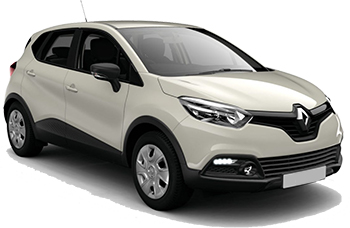
-
Carhire From£ 7 /day -
Dollar Rent a Car From£ 11 /day
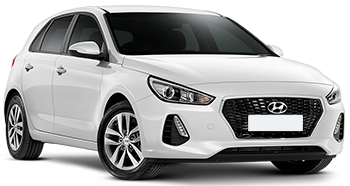
-
Carhire From£ 11 /day -
Europcar From£ 18 /day
-
Carhire From£ 7 /day -
Europcar From£ 13 /day
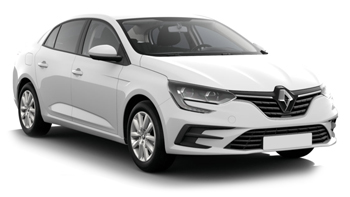
-
Thrifty From£ 8 /day -
Dollar Rent a Car From£ 12 /day -
Sixt From£ 17 /day
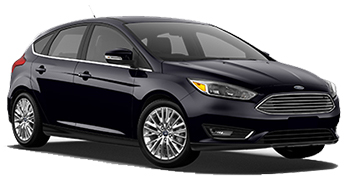
-
Carhire From£ 11 /day -
Keddy By Europcar From£ 16 /day -
Europcar From£ 17 /day
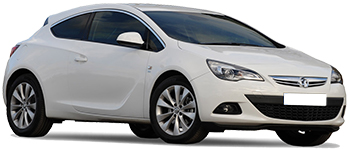
-
Thrifty From£ 8 /day -
Dollar Rent a Car From£ 11 /day -
Alamo From£ 12 /day
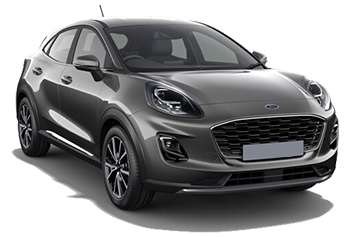
-
Thrifty From£ 8 /day -
Dollar Rent a Car From£ 11 /day -
Hertz From£ 14 /day
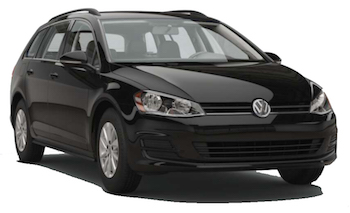
-
Keddy By Europcar From£ 14 /day -
Flizzr From£ 15 /day -
Sixt From£ 16 /day

-
Carhire From£ 12 /day -
Thrifty From£ 13 /day -
Keddy By Europcar From£ 15 /day
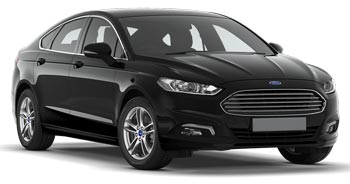
-
Carhire From£ 12 /day -
Keddy By Europcar From£ 15 /day -
Europcar From£ 18 /day
-
Carhire From£ 15 /day -
Keddy By Europcar From£ 19 /day -
Europcar From£ 23 /day
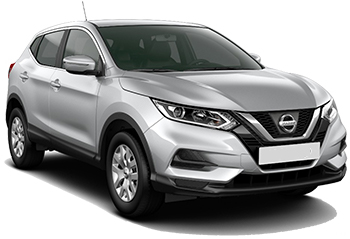
-
Carhire From£ 13 /day -
Keddy By Europcar From£ 15 /day -
Flizzr From£ 16 /day
-
Thrifty From£ 13 /day -
Payless Car Rental From£ 14 /day -
Dollar Rent a Car From£ 17 /day
-
Carhire From£ 16 /day -
Keddy By Europcar From£ 20 /day -
Europcar From£ 25 /day
-
Payless Car Rental From£ 15 /day
-
Flizzr From£ 16 /day -
Carhire From£ 17 /day -
Keddy By Europcar From£ 18 /day
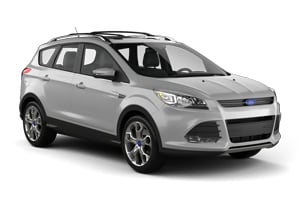
-
Keddy By Europcar From£ 15 /day -
Dollar Rent a Car From£ 17 /day -
Hertz From£ 18 /day
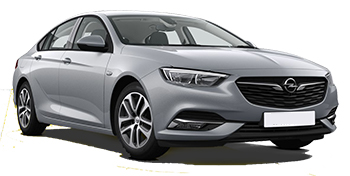
-
Payless Car Rental From£ 13 /day -
Alamo From£ 23 /day -
Thrifty From£ 34 /day
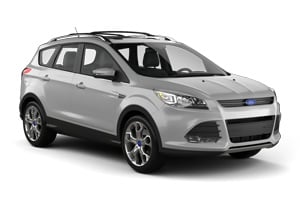
-
Thrifty From£ 14 /day -
Dollar Rent a Car From£ 16 /day -
Hertz From£ 23 /day
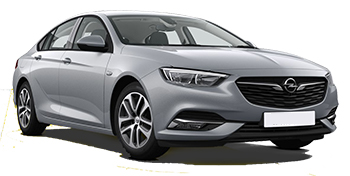
-
Payless Car Rental From£ 20 /day
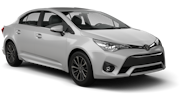
-
Thrifty From£ 18 /day -
Dollar Rent a Car From£ 18 /day -
Budget From£ 22 /day
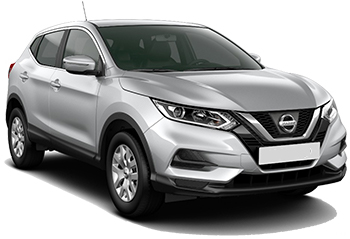
-
Payless Car Rental From£ 19 /day -
Budget From£ 22 /day -
Europcar From£ 41 /day
-
Thrifty From£ 20 /day -
Hertz From£ 32 /day
-
Budget From£ 22 /day -
Dollar Rent a Car From£ 24 /day -
Thrifty From£ 24 /day
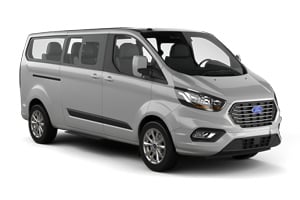
-
Alamo From£ 21 /day -
Enterprise From£ 25 /day -
Budget From£ 90 /day
-
Payless Car Rental From£ 26 /day -
Budget From£ 26 /day -
Europcar From£ 44 /day
-
Alamo From£ 25 /day -
Enterprise From£ 29 /day
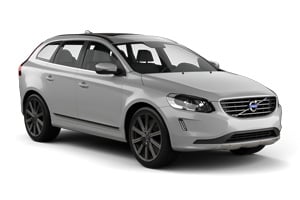
-
Alamo From£ 27 /day -
Enterprise From£ 32 /day -
National Car Rental From£ 73 /day
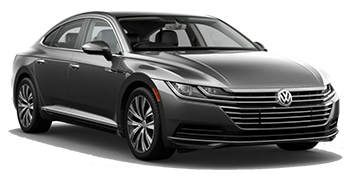
-
Sixt From£ 34 /day -
Flizzr From£ 36 /day
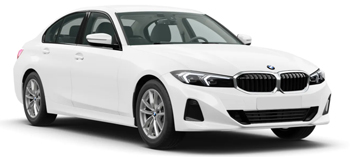
-
Sixt From£ 28 /day -
Flizzr From£ 36 /day -
Europcar From£ 118 /day

-
Flizzr From£ 31 /day -
Dollar Rent a Car From£ 41 /day
-
Sixt From£ 36 /day -
Flizzr From£ 39 /day -
Carhire From£ 139 /day
-
Sixt From£ 31 /day -
Flizzr From£ 32 /day
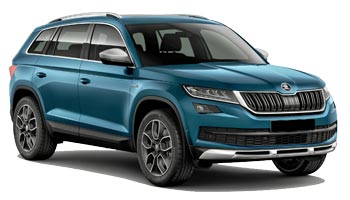
-
Hertz From£ 33 /day

-
Flizzr From£ 39 /day

-
Alamo From£ 30 /day -
Enterprise From£ 34 /day -
National Car Rental From£ 118 /day
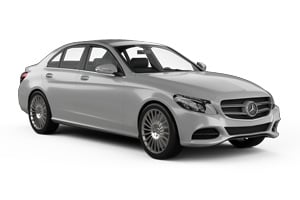
-
Sixt From£ 38 /day
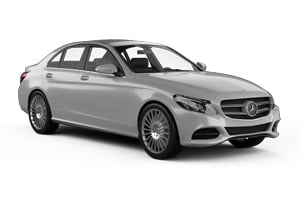
-
Sixt From£ 39 /day
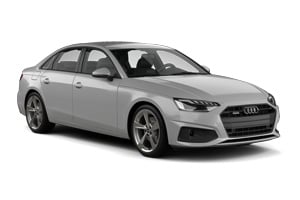
-
Hertz From£ 40 /day -
Flizzr From£ 49 /day -
Alamo From£ 50 /day

-
Sixt From£ 45 /day
-
Sixt From£ 40 /day
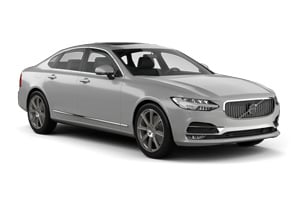
-
Dollar Rent a Car From£ 43 /day -
Thrifty From£ 46 /day
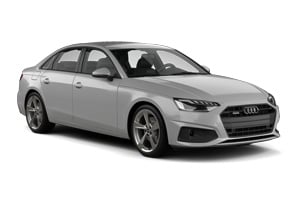
-
Flizzr From£ 51 /day -
Hertz From£ 53 /day -
Europcar From£ 134 /day
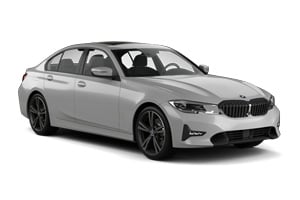
-
Sixt From£ 45 /day
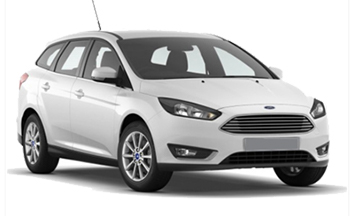
-
Carhire From£ 14 /day -
Europcar From£ 19 /day -
Flizzr From£ 19 /day
-
Payless Car Rental From£ 15 /day
-
Carhire From£ 18 /day -
Europcar From£ 25 /day
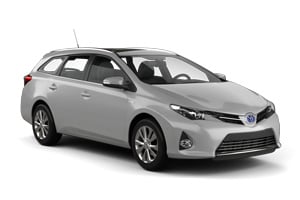
-
Payless Car Rental From£ 16 /day -
Budget From£ 21 /day
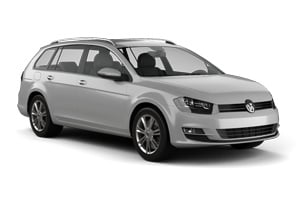
-
Budget From£ 17 /day
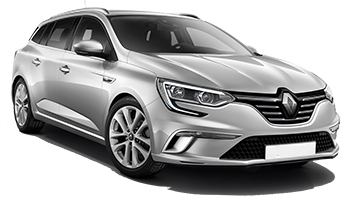
-
Flizzr From£ 21 /day -
Sixt From£ 21 /day
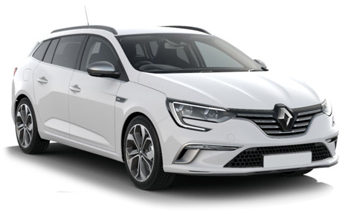
-
Sixt From£ 17 /day -
Flizzr From£ 18 /day
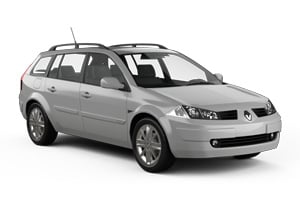
-
Flizzr From£ 18 /day -
Sixt From£ 19 /day
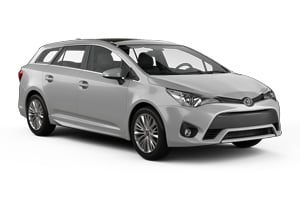
-
Flizzr From£ 21 /day
-
Alamo From£ 21 /day -
Enterprise From£ 25 /day -
Payless Car Rental From£ 96 /day
-
Alamo From£ 25 /day -
Enterprise From£ 29 /day
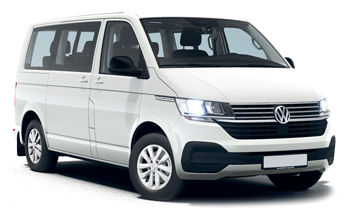
-
Sixt From£ 67 /day -
Flizzr From£ 74 /day
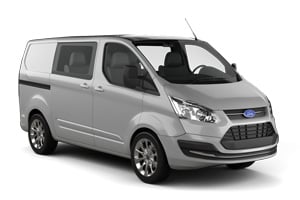
-
Thrifty From£ 45 /day -
Dollar Rent a Car From£ 56 /day -
Hertz From£ 66 /day
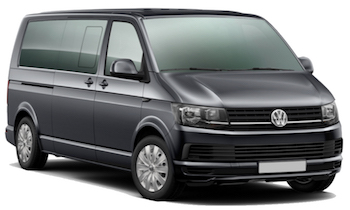
-
Hertz From£ 59 /day

-
Sixt From£ 85 /day -
Flizzr From£ 89 /day
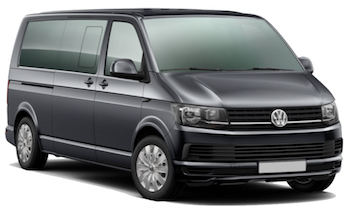
-
Hertz From£ 62 /day
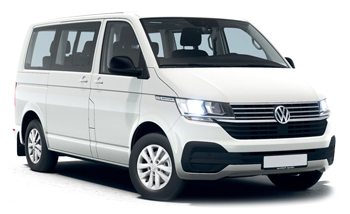
-
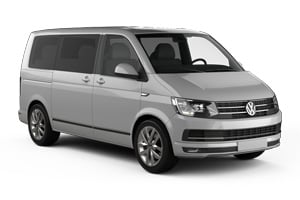
Sixt From£ 65 /day -
Flizzr From£ 69 /day
-
Flizzr From£ 100 /day -
Sixt From£ 231 /day
-
Carhire From£ 7 /day -
Dollar Rent a Car From£ 11 /day
-
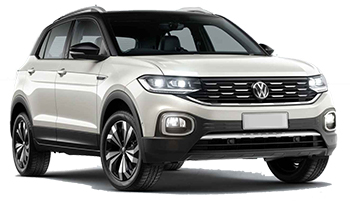
Thrifty From£ 8 /day -
Dollar Rent a Car From£ 11 /day -
Hertz From£ 14 /day
-
Flizzr From£ 14 /day -
Carhire From£ 17 /day -
Sixt From£ 17 /day
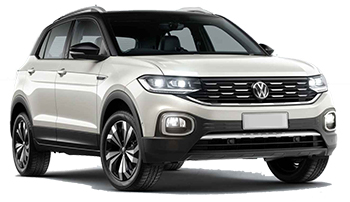
-
Carhire From£ 9 /day -
Flizzr From£ 12 /day -
Sixt From£ 13 /day
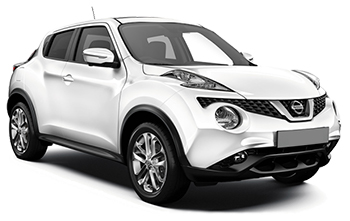
-
Budget From£ 10 /day -
Payless Car Rental From£ 11 /day
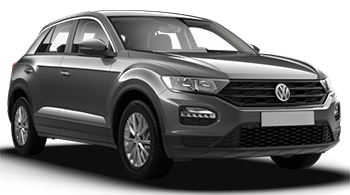
-
Flizzr From£ 15 /day -
Sixt From£ 18 /day

-
Carhire From£ 12 /day -
Thrifty From£ 13 /day -
Keddy By Europcar From£ 15 /day
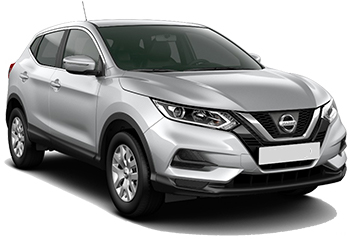
-
Carhire From£ 13 /day -
Keddy By Europcar From£ 15 /day -
Flizzr From£ 16 /day
-
Carhire From£ 16 /day -
Keddy By Europcar From£ 20 /day -
Europcar From£ 25 /day
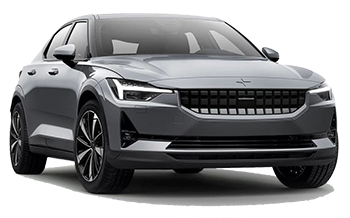
-
Alamo From£ 52 /day
Popular cities in Ireland



When to book a rental car in Ireland
Ireland - When is the most affordable time to rent a mini class car?
At this destination (Ireland), February is the most affordable time to rent a mini class car with an average daily rate of
Ireland - When is the most affordable time to rent a economy class car?
At this destination (Ireland), February is the most affordable time to rent a economy class car with an average daily rate of
Ireland - When is the most affordable time to rent a compact class car?
At this destination (Ireland), February is the most affordable time to rent a compact class car with an average daily rate of
Ireland - When is the most affordable time to rent an intermediate class car?
At this destination (Ireland), November is the most affordable time to rent a intermediate class car with an average daily rate of
Ireland - When is the most affordable time to rent a standard class car?
At this destination (Ireland), February is the most affordable time to rent a standard class car with an average daily rate of
Ireland - When is the most affordable time to rent a full-size car?
At this destination (Ireland), December is the most affordable time to rent a full-size class car with an average daily rate of
Ireland - When is the most affordable time to rent a luxury car?
At this destination (Ireland), November is the most affordable time to rent a luxury class car with an average daily rate of
Ireland - When is the most affordable time to rent a station wagon?
At this destination (Ireland), February is the most affordable time to rent a station wagon with an average daily rate of
Ireland - When is the most affordable time to rent a SUV?
At this destination (Ireland), December is the most affordable time to rent an SUV with an average daily rate of
Ireland - When is the most affordable time to rent a MPV?
At this destination (Ireland), January is the most affordable time to rent an mpv with an average daily rate of
Ireland - When is the most affordable time to rent a minivan?
At this destination (Ireland), December is the most affordable time to rent a minibus with an average daily rate of
Ireland Guide
Ireland is best explored by rental car. Carrentals.co.uk has over 59 pick-up locations in Ireland. This means there is always a pick-up location close to your destination.
Most popular car hire locations in Ireland
Driving
Noted for its green pastures, dazzling coastline and friendly locals, Ireland is one of the planet’s easiest places to travel. Towns are easy-going and loaded with castles and churches, while sleepy coastal villages beckon visitors at every turn. By car you can check out the Ring of Kerry, the Cliffs of Moher and unending rolling hills.
Driving Tips for Ireland
Road quality and signage is good, and there are motorways between major centres, including between Dublin and Cork. Travel times are typically shorter than in the UK and traffic is less of an issue. The carrying of a warning triangle is compulsory.
Driving licences: visitors from the UK can drive legally here with their UK licence.
Which side does Ireland drive on: the left.
Speed limits:
Motorways/dual carriageways: 74mph (120kph)
Main roads: 50-62mph (80-100kph)
Built-up areas: 31mph (50kph)
Alcohol limits: 0.08 per cent blood alcohol level, as with the UK. Checkpoints in and around towns and cities are common, and penalties are harsh for offenders.
Driving age: 17 years or at least 21 years to hire a car.
Seatbelts: all passengers should buckle up by law and children under 12 years should be seated in the rear. Car hire firms provide child safety seats for infants on request.
Mobile phones and GPS: both mobile phones and GPS units must be used hands-free and police are always on the lookout for perpetrators. Hiring a car with GPS is worthwhile as some of the best driving is in the countryside.
Cost of fuel in Ireland: petrol is roughly the same rate as in the UK, while diesel tends to be slightly cheaper.
Car hire and fuel payment: a credit card must be shown when picking up a hire vehicle, while virtually all petrol stations accept major cards.
Insurance: third-party insurance is the minimum coverage to drive here. Rental firms typically provide fully comprehensive insurance. Paying extra for collision damage waiver is not a must here, but is recommended if you plan on driving in Dublin.
Traffic and parking: only Dublin has any serious traffic issues, and only mainly during morning and evening rush hour. Pay and display car parks are common in all towns and Dublin has several park and ride options. When there is a single yellow line, street parking is only permitted outside 08:00 to 18:30, Monday to Saturday.
Transport
Trains
Enterprise trains run from Belfast in Northern Ireland to Dublin, while combined rail/ferry connections from the UK can be made with Irish Ferries and Stena Line. Main routes are Holyhead-Dublin, Fishguard-Rosslare and Pembroke-Rosslare. The local railway network is limited and expensive when compared with bus travel, although it is being improved. Irish Rail (Iarnród Éireann) runs frequent services to main towns from Dublin in good time. The Dublin-Cork line is the main one, with normal return fares at about £60. Advanced bookings can reduce fares by half.
Taxis
While even Dublin can be explored on foot, taxis are useful and in large supply. They are metered and can be hailed on the street, taken from ranks or pre-booked by phone. A typical fare across Dublin is around £5-10, while an airport run to the city is about £30. Taxis are also open to fixed fares and tours though they are obliged by law to use the meter. Taxis have a yellow ‘Taxi’ sign on their roof, with its illumination meaning it is available.
Buses
You can get to Ireland with National Express and Bus Eireann (through Eurolines) with combination bus/ferry tickets and there are even services from the continent as far afield as Eastern Europe. The Ulsterbus serves from Northern Ireland centres, while Bus Eireann provides fast and comfy services within the Republic. Aircoach has frequent connections from Dublin to Cork for around £7 and from Dublin Airport to city hotels. All cities have affordable urban bus networks.
Ferries
Travel by ferry is popular, with numerous well-established services between the UK and Ireland. Among these are Irish Ferries from Holyhead to Dublin and Pembroke to Rosslare. Stena Line also serves Rosslare, Irish Sea Express runs from Liverpool and Brittany Ferries from Roscoff in France. The ferry terminal in Dublin is just east of the city centre. Due to the many options bus/rail combination tickets, foot passengers and cars, there is an array of pricings. One-way, high season fares for an adult passenger from Holyhead to Dublin go from about £25 (cars from £60). Cruises run the River Liffey and from Shannon and other towns.
Airports
Most visitors fly to Dublin International Airport and there are also useful airports in Shannon and Cork that receive flights from the UK. Aer Lingus, Aer Lingus Regional and Ryanair all serve numerous UK cities. There is also a flight from London-Heathrow with British Airways. There are always offers available depending on the time of year and booking online is the best bet for cheap flights. Motorways and an improved rail network allow for timely overland travel, reducing the demand for domestic flights. The Dublin-Kerry route is still popular.
Explore
Exploring Ireland
Dublin, a happening and now modern city with numerous landmarks and the River Liffey flowing through it, is the star attraction. Dublin Castle, Dublin Zoo and Merrion Square are all must-sees, while the Temple Bar area by night is always pumping.
Cork is Ireland’s second city and a major go-to place of the south. St Finbarr's Cathedral and Lough Park are must-visits, while a few minutes’ drive away is Blarney Castle and its famed Blarney Stone.
Waterford, Ireland's oldest city and known for its crystal, is also an easy drive from Cork. It has good museums and galleries, including the Waterford Treasures Museum, as well as the lofty Reginald's Tower.
Killarney is the main gateway to Kerry in the southwest and the launch point for the beautiful Ring of Kerry. This region has the best beaches in Ireland, while farther north is Limerick on the Shannon and the food and festival town of Galway. Trips from here can take in the Burren and lofty Cliffs of Moher.
Other musts if you have the time are the Dingle Peninsula, the beaches of County Donegal and the hiking trails of County Wicklow from Glendalough.
Our Travel Editor’s Recommended Drives
Dingle Peninsula – visitors can do a loop of this stunning peninsula in the west of the country. It is made up of attractive seaside villages, dramatic coast and cliffs, and tasty seafood. Dingle itself is quaint and thoroughly laid-back.
The Burren – for that quintessential view of green and Irish rolling hills, take a drive through the Burren region, which is also noted for its limestone-built villages. The Cliffs of Moher are also out this way.
The Copper Coast – explore the mountains, valleys and numerous beaches and coves of this pretty part of southern Ireland. Trips go from the town of Dungarvan or Waterford.
Causeway Coastal Route – many visitors also take in Northern Ireland and the Giant’s Causeway, the region’s most stunning natural landmark. The route goes from Belfast to Derry and takes in the Glens of Antrim.
Holidays and Festivals
St Patrick’s Day (17 March)
Cat Laughs Comedy Festival (early June)
Pan Celtic Festival (early April)
Kilkenny Arts Festival (mid-August)
Galway Oyster Festival (late September)
Cork Jazz Festival (late October)
Weather
Ireland has a similar climate to the UK, being mild and rainy. Average daily temperatures through the summer are 16°C, with the odd day in the south surpassing 30°C. Winters average about 5°C but temperatures rarely dip far below freezing. Spring and autumn are nice times to visit though it tends to rain more later on in the year. Winds batter the southwest coast for most of the year.
Practical Stuff
Ireland Travel Tips
Ireland is an obvious and easy travel destination for UK visitors, being easy and cheap to get to and having lots of similarities. It is best to be clued up before you travel anywhere, however, so take a look at these travel tips.
Ireland contact numbers
Country code - (+353)
British Embassy – +353 1 205 3700
British Consular Services – +353 1 205 3700
US Embassy – +353 1 668 8777
Australian Embassy – +353 1 664 5300
Canadian Embassy – +353 1 234 4000
Emergency services – 112
Police, Ambulance – 999
Money matters
Ireland has joined the euro, which is the same value wherever you are in Europe. ATMs are available everywhere and credit cards can be used for most things, as with in the UK, but having cash to hand and a back-up of travellers’ cheques is recommended.
Health and safety
There are no undue health concerns in Ireland; the water is potable and restaurants adhere to European standards. ‘The Troubles’ of Northern Ireland is its history, though there are occasional flare-ups in border areas. Be careful of big waves on the Atlantic coast, and of winding country roads. Travel insurance is recommended even though EU visitors with a European Health Insurance Card can receive emergency medical care.
Fitting in…
The Irish are generally relaxed and open, and enjoy visitors, even the English! Outside Dublin, life passes by here at a slower pace than in most places and, as with the UK, the epicentre of village life is the pub. Avoid expressing strong views on Northern Ireland.
Visas for Ireland
As Ireland is part of the EU, British visitors can come and go as they please—and likewise Irish visitors to Britain. As there are no border controls as such between the UK and Ireland, passports are not needed for travel. Photo ID, such as a driving licence, is fine. Travellers from the US, Canada, Australia and New Zealand can visit for up to three months visa-free.
Electricity
Ireland uses the same voltage and sockets as the UK, namely 220-240V/50Hz with three-pin plugs. UK travellers do not need to bring adaptors or converters though travellers from the continent and the US do. Most new laptops—and iPhones and iPads—accept all voltages.
Business hours
Businesses: 09:00 to 17:00, Monday to Friday
Government offices: 09:00 to 17:00, Monday to Friday
Shops: 09:00 to 18:00 (to 19:00 or 20:00, Thursday), Monday to Saturday
Banks: 10:00 to 16:00, Monday to Wednesday and Friday, 10:00 to 17:00, Thursday
Helpful phrases
Dia duit (dee-a-gwit) - Hello
Le do thoil - Please
Slan - Goodbye
Go raibh maith agat - Thank you
Gabh mo leithscéal - Excuse me
Sláinte - Cheers
Practical information
-
CurrencyEuro
-
Driving directionLeft
-
City speed limit50 km/h
-
Freeway speed limit100 km/h
-
LanguageEnglish, Irish
-
Popular car categoryEconomy
What most people want to know
The following questions and answers are a selection of the most popular questions. If you do not find the answer to your question, have a look at the Frequently Asked Questions page or contact us.
- Enterprise
- Thrifty
- Alamo
- National Car Rental
- Carhire
- Budget
- Sixt
- Keddy By Europcar
- Payless Car Rental
- Dollar Rent a Car
- Avis
- Europcar
- Flizzr
- Hertz
- Easirent
- Irish Car Rentals
- Apollo Car Rental
- Your Rent
- Celtic Motorhomes
- McRent