
- Over 1 million successful rentals
- Popular countries
- Popular regions
- Popular cities
- Popular airports
- Car Hire United Kingdom
- Car Hire Spain
- Car Hire Italy
- Car Hire France
- Car Hire United States
- Car Hire Portugal
- Car Hire Greece
- Car Hire Ireland
- Car Hire Cyprus
- Car Hire Switzerland
- Car Hire Germany
- Car Hire Croatia
- Car Hire Turkey
- Car Hire Canada
- Car Hire South Africa
- Car Hire Austria
- Car Hire Poland
- Car Hire Australia
- Car Hire Netherlands
- Car Hire Denmark
- Car Hire England
- Car Hire Scotland
- Car Hire Majorca
- Car Hire Florida
- Car Hire California
- Car Hire Crete
- Car Hire Sicily
- Car Hire Sardinia
- Car Hire Menorca
- Car Hire Wales
- Car Hire Kefalonia
- Car Hire Tenerife
- Car Hire Channel Islands
- Car Hire Corsica
- Car Hire Madeira
- Car Hire Gran Canaria
- Car Hire Fuerteventura
- Car Hire Isle of Man
- Car Hire Santorini
- Car Hire Azores
- Car Hire London
- Car Hire Faro
- Car Hire Malaga
- Car Hire Manchester
- Car Hire Alicante
- Car Hire Palma de Mallorca
- Car Hire Edinburgh
- Car Hire Dublin
- Car Hire Geneva
- Car Hire Nice
- Car Hire Paphos
- Car Hire Pisa
- Car Hire Birmingham
- Car Hire Lisbon
- Car Hire Milan
- Car Hire Larnaca
- Car Hire Glasgow
- Car Hire Orlando
- Car Hire Bristol
- Car Hire Rome
- Car Hire London Heathrow Airport
- Car Hire Faro Airport
- Car Hire London Gatwick Airport
- Car Hire Malaga Airport
- Car Hire Alicante Airport
- Car Hire Manchester Airport
- Car Hire Mallorca Airport
- Car Hire Dublin Airport
- Car Hire Edinburgh Airport
- Car Hire Nice Airport
- Car Hire London Stansted Airport
- Car Hire Paphos Airport
- Car Hire Pisa Airport
- Car Hire Lisbon Airport
- Car Hire Birmingham Airport
- Car Hire Larnaca Airport
- Car Hire London Luton Airport
- Car Hire Geneva Airport (Switzerland)
- Car Hire Orlando International Airport
- Car Hire Glasgow Airport
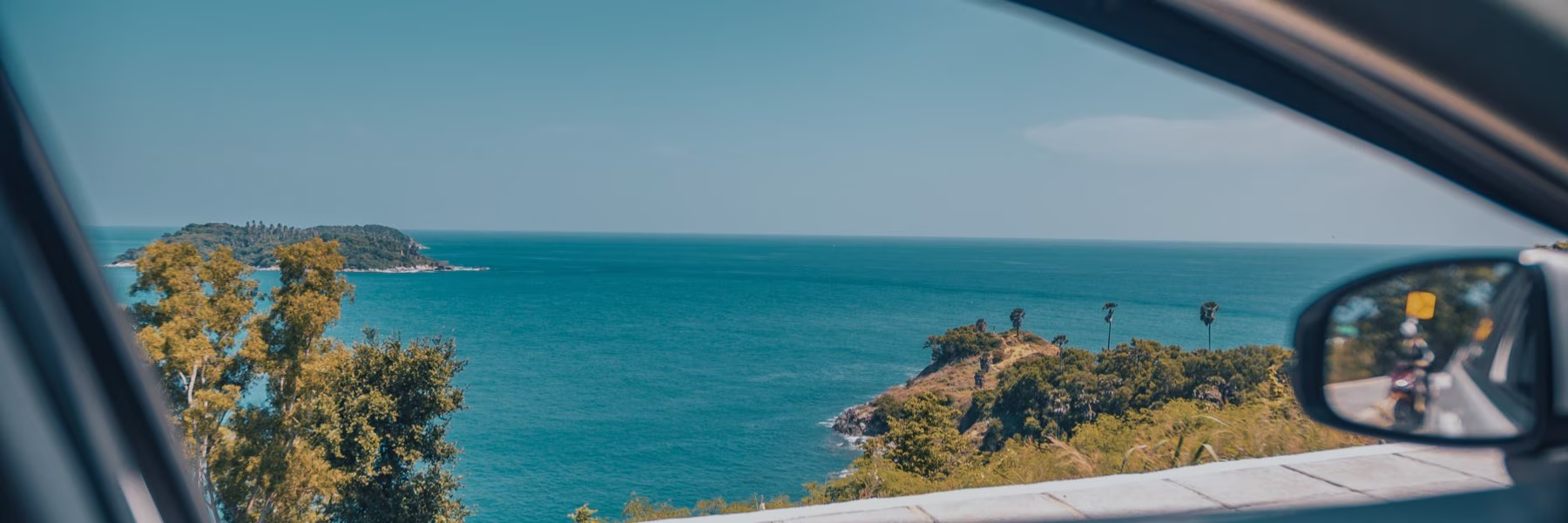
Car Hire Tunisia
Save time and money. We compare the offers of car rental companies in Tunisia on your behalf.
- Free cancellation Up to 48 hours prior to the scheduled pick-up time
- Best price guarantee Have you found a better price? Let us know and we will make you a better offer.
- 24000+ pick-up locations Locations around the world

Compare Car Hire
Carrentals.co.uk offers simple and straightforward car hire comparison services. We don't add a penny to your quotes!
Car rental offers in Tunisia
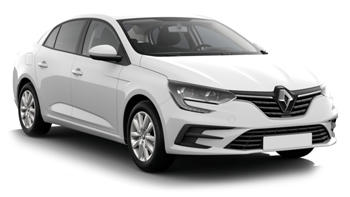
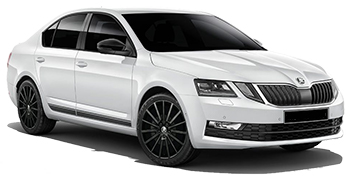
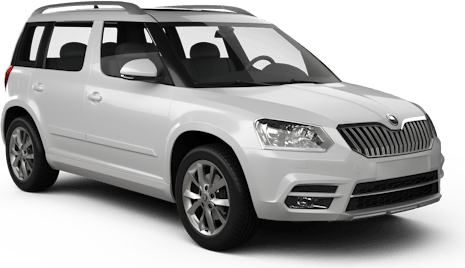
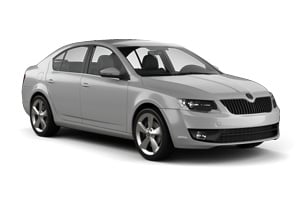
Whether you're looking for a small rental car or a station wagon for the entire family, we will always have a suitable vehicle at the lowest price. Below are some examples from our selection in Tunisia.

-
Europcar From£ 19 /day -
Hertz From£ 26 /day
-
Avis From£ 23 /day

-
Hertz From£ 28 /day

-
Avis From£ 23 /day
-
Europcar From£ 24 /day -
Hertz From£ 26 /day -
Keddy By Europcar From£ 30 /day
-
Avis From£ 28 /day
-
Hertz From£ 25 /day
-
Avis From£ 28 /day
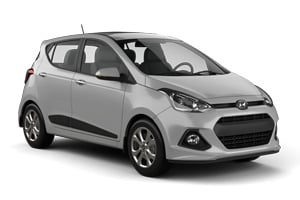
-
Europcar From£ 29 /day -
Hertz From£ 29 /day -
Keddy By Europcar From£ 34 /day
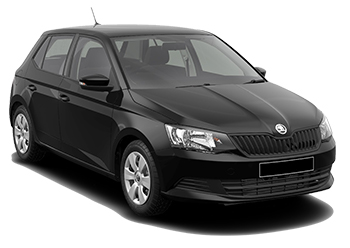
-
Europcar From£ 20 /day -
Hertz From£ 26 /day -
Keddy By Europcar From£ 33 /day
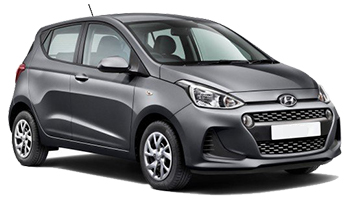
-
OK Mobility From£ 22 /day

-
Budget From£ 27 /day
-
Budget From£ 25 /day
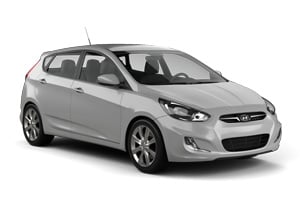
-
OK Mobility From£ 25 /day
-
OK Mobility From£ 27 /day
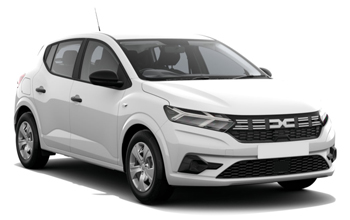
-
Europcar From£ 26 /day
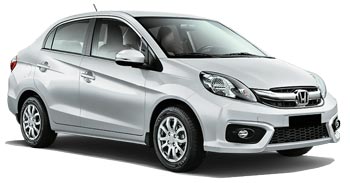
-
Budget From£ 27 /day
-
Budget From£ 29 /day
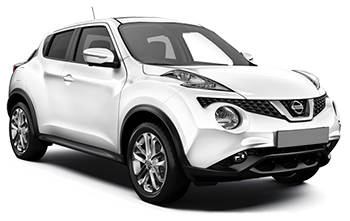
-
OK Mobility From£ 26 /day

-
Budget From£ 27 /day
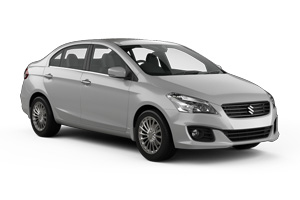
-
Budget From£ 31 /day
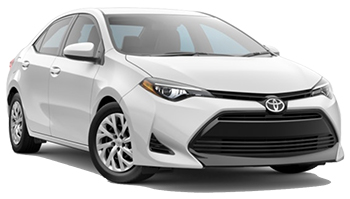
-
OK Mobility From£ 28 /day

-
Budget From£ 28 /day -
Keddy By Europcar From£ 51 /day
-
Budget From£ 33 /day
-
Budget From£ 30 /day
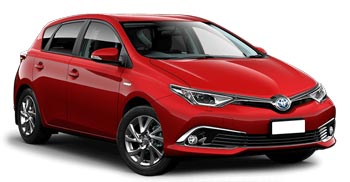
-
OK Mobility From£ 33 /day
-
Budget From£ 34 /day -
Keddy By Europcar From£ 55 /day

-
Budget From£ 30 /day
-
Budget From£ 35 /day
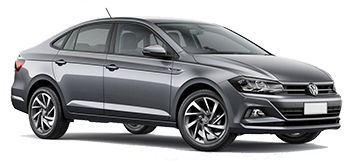
-
Europcar From£ 41 /day
-
Europcar From£ 46 /day
-
Avis From£ 54 /day

-
Avis From£ 59 /day
-
Europcar From£ 70 /day
-
Europcar From£ 71 /day
-
Europcar From£ 76 /day

-
OK Mobility From£ 35 /day

-
OK Mobility From£ 35 /day
-
OK Mobility From£ 43 /day
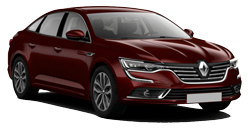
-
OK Mobility From£ 41 /day
-
OK Mobility From£ 43 /day
-
OK Mobility From£ 46 /day

-
Hertz From£ 75 /day
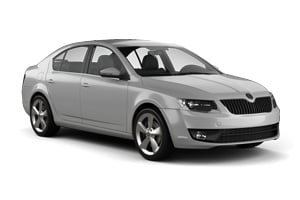
-
Hertz From£ 74 /day
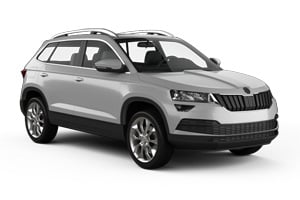
-
Europcar From£ 88 /day -
Keddy By Europcar From£ 109 /day
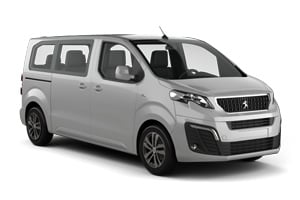
-
Europcar From£ 75 /day
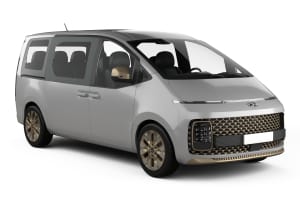
-
Europcar From£ 83 /day -
Keddy By Europcar From£ 102 /day
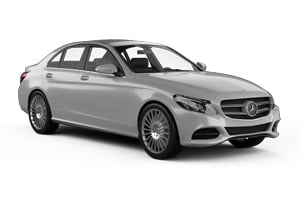
-
Avis From£ 105 /day
-
Avis From£ 105 /day
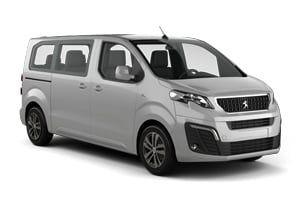
-
Avis From£ 110 /day
-
Avis From£ 110 /day
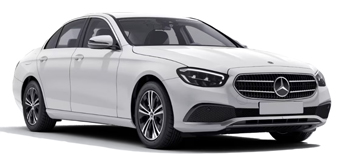
-
Avis From£ 118 /day -
Europcar From£ 234 /day
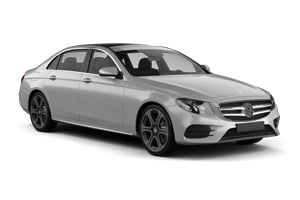
-
Avis From£ 123 /day
-
Europcar From£ 75 /day -
Avis From£ 105 /day
-
Avis From£ 110 /day
-
OK Mobility From£ 26 /day
-
OK Mobility From£ 39 /day
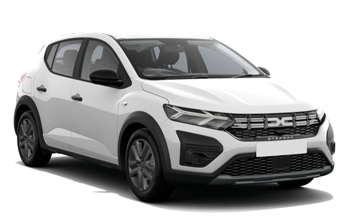
-
Europcar From£ 41 /day
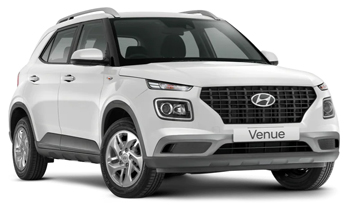
-
OK Mobility From£ 44 /day
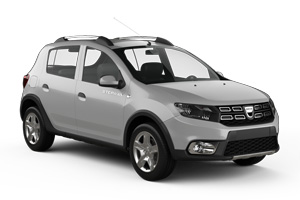
-
Europcar From£ 46 /day
-
OK Mobility From£ 52 /day
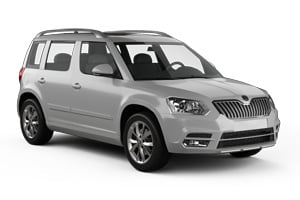
-
Europcar From£ 71 /day
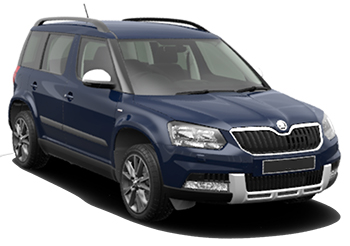
-
Europcar From£ 82 /day
-
Europcar From£ 83 /day -
Keddy By Europcar From£ 102 /day
Popular cities in Tunisia


When to book a rental car in Tunisia
Tunisia - When is the most affordable time to rent a mini class car?
At this destination (Tunisia), November is the most affordable time to rent a mini class car with an average daily rate of
Tunisia - When is the most affordable time to rent a economy class car?
At this destination (Tunisia), March is the most affordable time to rent a economy class car with an average daily rate of
Tunisia - When is the most affordable time to rent a compact class car?
At this destination (Tunisia), November is the most affordable time to rent a compact class car with an average daily rate of
Tunisia - When is the most affordable time to rent an intermediate class car?
At this destination (Tunisia), November is the most affordable time to rent a intermediate class car with an average daily rate of
Tunisia - When is the most affordable time to rent a standard class car?
At this destination (Tunisia), March is the most affordable time to rent a standard class car with an average daily rate of
Tunisia - When is the most affordable time to rent a full-size car?
At this destination (Tunisia), January is the most affordable time to rent a full-size class car with an average daily rate of
Tunisia - When is the most affordable time to rent a luxury car?
At this destination (Tunisia), May is the most affordable time to rent a luxury class car with an average daily rate of
Tunisia - When is the most affordable time to rent a SUV?
At this destination (Tunisia), November is the most affordable time to rent an SUV with an average daily rate of
Tunisia - When is the most affordable time to rent a MPV?
At this destination (Tunisia), October is the most affordable time to rent an mpv with an average daily rate of
Tunisia - When is the most affordable time to rent a minivan?
At this destination (Tunisia), January is the most affordable time to rent a minibus with an average daily rate of
Tunisia - When is the most affordable time to rent a sedan?
At this destination (Tunisia), March is the most affordable time to rent a sedan with an average daily rate of
Tunisia Guide
Tunisia is best explored by rental car. Carrentals.co.uk has over 4 pick-up locations in Tunisia. This means there is always a pick-up location close to your destination.
Most popular car hire locations in Tunisia
Driving
Its 713 miles of Mediterranean coastline and Saharan hinterland make Tunisia an extremely scenic country. By car, visitors can cruise the laid-back capital city of Tunis, explore the popular resorts along the Gulf of Gables, visit ancient cities such as Monastir and discover Saharan oasis villages, allowing for a much more intimate travel experience than that offered by using public transport.
Driving Tips for Tunisia
Tunisia’s 12,310 miles of paved highway makes it easy to immerse yourself in all that the country has to offer. All major cities and tourist destinations are linked by roads which are in good condition. Signage is adequate and usually posted in both Arabic and French, with self-drive the easiest way to access all of the nation’s attractions.
Driving licences: an International Driving Permit is needed by all visitors, which must be accompanied by a passport with 12 months’ validity.
Which side does Tunisia drive on: the left-hand side.
Speed limits:
Highways and freeways: 68-81mph (110kph)
Major roads and small highways: 56mph (90kph)
Outside built-up areas: 56mph (90kph)
Built-up areas: 31mph (50kph)
Alcohol limits: harsher than the UK limit of 0.08 per cent, at 0.05 per cent. Offenders could face 10 years’ imprisonment if caught over this limit.
Driving age: 18 years; 21 years for car hire.
Seatbelts: mandatory for front seat passengers. Children under 10 years must sit in the rear, and babies and toddlers must be in a secure child seat.
Mobile phones and GPS: it is illegal to use a mobile phone while driving and those caught doing so could face harsh penalties. GPS is allowed but of little use in Tunisia.
Cost of fuel in Tunisia: petrol and diesel are half the cost here as in the UK, although prices fluctuate.
Car hire and fuel payment: petrol stations in large cities accept credit card as payment but otherwise, only cash is accepted. Car hire will most likely require a credit card to pick up your car, check your rental terms before you travel.
Insurance: third-party insurance is included with most car hire but full coverage is recommended.
Traffic and parking: many streets in Tunisia are narrow and provide little parking though in the large, developed areas of the country, parking can easily be found. Traffic in the cities can be chaotic, with locals paying little attention to traffic laws. Stay in the slow, right-hand side lane and be extra careful of pedestrians as there are no pavements here.
Transport
Trains
Tunisia’s train network is good, with routes starting and terminating in Tunis. Railway lines run south along the coast to Gabes, through the interior to Tozeur and west to Ghardimaou at the Algerian border. Trains come in three classes: second class, first class and grand class, and although they are comfortable, they are slow. Most visitors prefer to travel in first class. Travel from Tunis to Tozeur in first class costs around £10, while the journey south to Sousse is priced around £4. For information and schedules, visit Société Nationale de Chemins de Fer Tunisiens (SNCFT). The Lézard Rouge historic tourist train goes on a 40-minute scenic ride through the Selja Gorge. There is also a light rail system that connects Tunis to nearby beaches that costs around £0.30 each way, as well as a light Metro for travelling within the city centre, with a singe trip costing around £0.15.
Taxis
Private taxis can be found in major cities throughout Tunisia and are a good option when there are no bus services. Taxis run on metres though drivers rarely use them so be sure to agree on a price beforehand. The best advice is to ask your hotel what a reasonable price would be for that particular journey. Short rides should not be more than around £2. The fare for a long-distance trip, from Tunis to Hammamet for example, is around £30.
Buses
There are over 70 bus lines in Tunisia and all travel through Tunis. Long-distance buses are called cars and provide a comfortable and affordable way to get from one destination to another. They depart frequently, with popular routes running every 30 minutes. The fare from Tunis to Sousse typically costs less than £4. For bus schedules and rates, visit the Société Nationale de Chemins de Transport Interubain (SNTRI). The other option is to take a louage (shared taxi), which cover all corners of the country. These minivans offer the most flexible routes although they don’t run on a schedule, only leaving once full. These are slightly more expensive than buses but are faster though may not always have air conditioning so can become quite hot. The fare for a 75 mile journey is around £3.
Ferries
The port at La Goulette in Tunis receives international ferries from Marseille (France), Malta, Sicily and Genoa (Italy). Ferries also arrive from Trapani (Sicily) into the port at Sousse in the summer months. International ferries entering Tunisia are operated by Grandi Navi Veloci and the journey from Genova to Tunis is around £130 for a sleeper and £80 for a seat. Private boats and yachts can be hired in Port El Kantaoui to travel throughout the Mediterranean or for daytrips out at sea.
Airports
Tunis–Carthage Airport is the main air hub in Tunisia, receiving direct flights from London-Gatwick, London-Heathrow and Manchester with British Airways and Tunisair. The other alternative is to fly with a low-cost carrier to Enfidha-Hammamet International Airport, which is 25 miles southwest of the beach resort town of Hammamet. Flights arrive here from London-Gatwick, London-Luton, Manchester, Newcastle and various other UK destinations with Nouvelair, Thomas Cook Airlines and Thomson Airways. Domestic air travel is available through Tunisair Express, with routes between Tunis and Tozeur and Tunis and Djerba the most popular. The rate for a one-way economy class ticket from Tunis to Tozeur is around £45.
Explore
Exploring Tunisia
Most visitors enter in the capital city of Tunis and start their Tunisian exploration here, which is a great way to get familiar with the history and culture. Here, visitors will find the impressive Bardo Museum, the 18th century Cathedral of St Vincent de Paul and the iconic Bab Bahr (Porte de France). From Tunis, many visitors made a daytrip to nearby Kerkouane to see the Pheonician and Punic ruins.
The old coastal city of Sousse offers visitors a mixture of beaches, history and culture. It is home to a fantastic, authentic medina that houses an 850 AD mosque, catacombs and a ribat (fortified monastery). Take a daytrip to the ancient city Monastir for a look at an even more impressive ribat and to visit the Mausoleum of Bourguiba.
Djerba Island offers visitors some of Tunisia’s best beaches and is home to a colourful souk (market), the ancient pottery village of Guellala and the beautiful Ras Rmel Peninsula.
The less visited Saharian Tunisia does not lack in beauty. Here, travellers can explore sleepy desert villages, visit film sets from Star Wars, go on a camel trek and ride the famous Lézard Rouge (Red Lizard) train.
Our Travel Editor’s Recommended Drives
Tunis to Monastir – starting in the capital city, this scenic drive takes visitors south along the coast of the Gulf of Hammamet to the phenomenal historical city of Monastir.
Jebil National Park – this impressive Saharan national park is the country’s largest and the drive here offers unforgettable scenery.
Zarziz to Djebra – from one stunning destination to the next, both these popular costal locales are unmatched.
Holidays and Festivals
New Year’s Day (1 January)
Prophet’s Birthday (15 February)
Martyrs’ Day (9 April)
Independence Day (20 March)
Labour Day (2 May)
Women’s Day (13 August)
Republic Day (25 July)
Eid-al-Fitr (30 August)
New Era Day (7 November)
Eid-al-Idha (6 November)
Islamic New Year (26 November)
Weather
There are three noticeably different climates in Tunisia. The Mediterranean climate can be experienced in the north, while the south coast has a semi-arid climate and the southern interior is desert. From June to September, the temperature can reach 40ËC, while it rains from October until May. In January, it can get as cool as 4ËC though the mercury usually sits at 11ËC.
Practical Stuff
Tunisia Travel Tips
Despite its occasional political turmoil, Tunisia is one of the best holiday destinations in North Africa. Its three main highways make it easy to explore by car and travelling around is both safe and easy, although with a few tips it can be even more comfortable.
Tunisia contact numbers
Country code - (+216)
Emergency services – 197 (in Arabic or French)
British Consular Emergency Services – +216 71 108 700
Traffic news/weather/road accidents – 190
British Embassy – +216 71 108 700
US Embassy – +216 71 107 000
Canadian Embassy – +216 71 268-080
Irish Embassy – +216 71 906 879
Australian Embassy – +216 1 796-577
Money matters
The Tunisian dinar (TND) is the currency used in Tunisia, with TND 1 equalling 1,000 millemes. Banknotes come in 5, 10, 20, 30 and 50 dinar, and coins can be seen in denominations of TND 5 and 1, and 500, 100, 50, 20 and 10 millemes. Exchange outlets can be found in large cities and tourist areas, but note that it is illegal to bring dinar in or out of the country. Banks and ATMs can also be found in large cities and tourist destinations.
Health and safety
It is recommended to get inoculations for hepatitis A and B, typhoid and polio before visiting Tunisia, although they are not needed to enter. Sun and heat can cause major problems for some so be sure to keep hydrated, with bottled water being best. Travellers’ diarrhoea can also affect some visitors so always check food to ensure it is thoroughly cooked.
Fitting in…
Being a predominately Muslim country means that visitors to Tunisia should dress conservatively, especially women. It is best to show as little skin as possible, as showing skin is frowned upon and considered to be rude, although the beaches and resorts are more lenient. It is more conservative in the south than in the north.
Visas for Tunisia
Travellers entering on a UK passport can stay in Tunisia without a visa for up to 90 days, as can travellers from most other western countries. If there is less than six months’ validity left on your passport, you may encounter problems entering the country.
Electricity
The voltage here is 230 Volts and 50 Hertz, and two round pin plug sockets are used. An adaptor is needed to use electronics that use different socket types.
Business hours
Businesses: 08:00 to 18:00, Monday to Friday
Government offices: 08:30 to 13:00 and 15:00 to 17:45, Monday to Thursday, 08:30 to 13:30, Friday to Saturday, 08:30 to 14:30, Monday to Thursday during Ramadan
Shops: 07:30 to 13:00 and 17:00 to 20:00, Monday to Friday (summer), 09:00 to 12:30 and 14:30 to 18:00, Monday to Friday (winter), 08:00 to 12:00, Saturday
Banks: 08:00 to 12:00 and 14:00 to 16:30, Monday to Friday
Helpful phrases
Shukran - Thank you
Aaslemma - Hello
La shukran - No thank you
Bislemma - Goodbye
Samahhni – Sorry
Kadech yelzemni nkhallas? - How much is this?
Min fadhlik - Please
Aandik... ? – Do you have... ?
Practical information
-
CurrencyTunisian dinar
-
Driving directionRight
-
City speed limit50 km/h
-
Freeway speed limit90 km/h
-
LanguageArabic
-
Popular car categoryEconomy
What most people want to know
The following questions and answers are a selection of the most popular questions. If you do not find the answer to your question, have a look at the Frequently Asked Questions page or contact us.
- SGF
- Avis
- Hertz
- Europcar
- Camel Car Hire
- Keddy By Europcar
- Budget
- OK Mobility
- OtoQ
- Sixt
- Advantage Rent a Car
- Optimo Rent