
- Over 1 million successful rentals
- Popular countries
- Popular regions
- Popular cities
- Popular airports
- Car Hire United Kingdom
- Car Hire Spain
- Car Hire Italy
- Car Hire France
- Car Hire United States
- Car Hire Portugal
- Car Hire Greece
- Car Hire Ireland
- Car Hire Cyprus
- Car Hire Switzerland
- Car Hire Germany
- Car Hire Croatia
- Car Hire Turkey
- Car Hire Canada
- Car Hire South Africa
- Car Hire Austria
- Car Hire Poland
- Car Hire Australia
- Car Hire Netherlands
- Car Hire Denmark
- Car Hire England
- Car Hire Scotland
- Car Hire Majorca
- Car Hire Florida
- Car Hire California
- Car Hire Crete
- Car Hire Sicily
- Car Hire Sardinia
- Car Hire Menorca
- Car Hire Wales
- Car Hire Kefalonia
- Car Hire Tenerife
- Car Hire Channel Islands
- Car Hire Corsica
- Car Hire Madeira
- Car Hire Gran Canaria
- Car Hire Fuerteventura
- Car Hire Isle of Man
- Car Hire Santorini
- Car Hire Azores
- Car Hire London
- Car Hire Faro
- Car Hire Malaga
- Car Hire Manchester
- Car Hire Alicante
- Car Hire Palma de Mallorca
- Car Hire Edinburgh
- Car Hire Dublin
- Car Hire Geneva
- Car Hire Nice
- Car Hire Paphos
- Car Hire Pisa
- Car Hire Birmingham
- Car Hire Lisbon
- Car Hire Milan
- Car Hire Larnaca
- Car Hire Glasgow
- Car Hire Orlando
- Car Hire Bristol
- Car Hire Rome
- Car Hire London Heathrow Airport
- Car Hire Faro Airport
- Car Hire London Gatwick Airport
- Car Hire Malaga Airport
- Car Hire Alicante Airport
- Car Hire Manchester Airport
- Car Hire Mallorca Airport
- Car Hire Dublin Airport
- Car Hire Edinburgh Airport
- Car Hire Nice Airport
- Car Hire London Stansted Airport
- Car Hire Paphos Airport
- Car Hire Pisa Airport
- Car Hire Lisbon Airport
- Car Hire Birmingham Airport
- Car Hire Larnaca Airport
- Car Hire London Luton Airport
- Car Hire Geneva Airport (Switzerland)
- Car Hire Orlando International Airport
- Car Hire Glasgow Airport
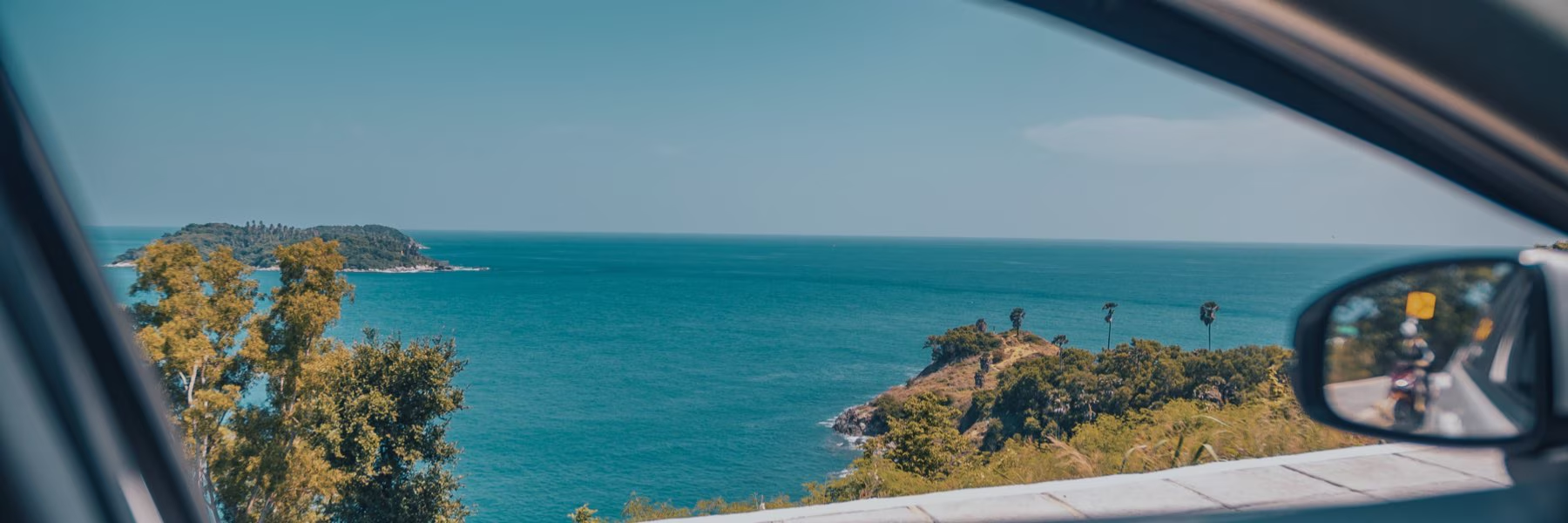
Car Hire Sri Lanka
Save time and money. We compare the offers of car rental companies in Sri Lanka on your behalf.
- Free cancellation Up to 48 hours prior to the scheduled pick-up time
- Best price guarantee Have you found a better price? Let us know and we will make you a better offer.
- 24000+ pick-up locations Locations around the world

Compare Car Hire
Carrentals.co.uk offers simple and straightforward car hire comparison services. We don't add a penny to your quotes!
Car rental offers in Sri Lanka
Whether you're looking for a small rental car or a station wagon for the entire family, we will always have a suitable vehicle at the lowest price. Below are some examples from our selection in Sri Lanka.

-
Green Motion From£ 17 /day

-
Green Motion From£ 17 /day
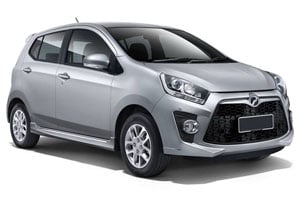
-
Europcar From£ 35 /day

-
Green Motion From£ 18 /day
-
Europcar From£ 30 /day

-
Europcar From£ 31 /day
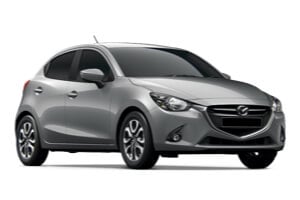
-
SR Rent a car From£ 25 /day
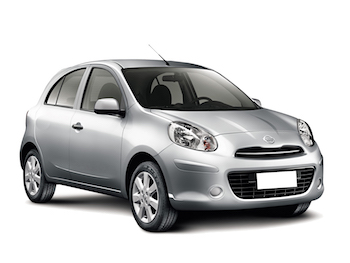
-
SR Rent a car From£ 25 /day
-
SR Rent a car From£ 32 /day
-
SR Rent a car From£ 25 /day
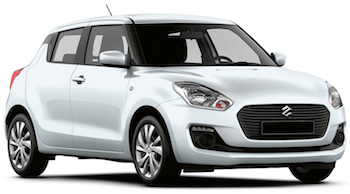
-
SR Rent a car From£ 25 /day
-
SR Rent a car From£ 32 /day

-
Green Motion From£ 28 /day -
SR Rent a car From£ 37 /day
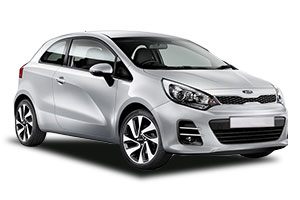
-
Europcar From£ 31 /day
-
SR Rent a car From£ 32 /day
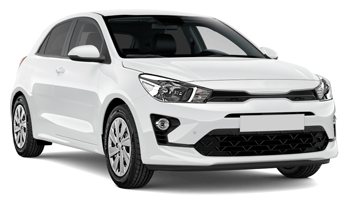
-
SR Rent a car From£ 30 /day
-
SR Rent a car From£ 30 /day
-
SR Rent a car From£ 36 /day
-
SR Rent a car From£ 30 /day

-
SR Rent a car From£ 30 /day -
Europcar From£ 31 /day
-
SR Rent a car From£ 36 /day

-
Green Motion From£ 31 /day -
Europcar From£ 41 /day
-
Green Motion From£ 32 /day
-
SR Rent a car From£ 36 /day
-
Green Motion From£ 32 /day -
Europcar From£ 42 /day
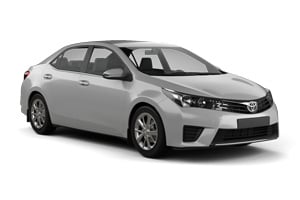
-
SR Rent a car From£ 37 /day
-
SR Rent a car From£ 44 /day
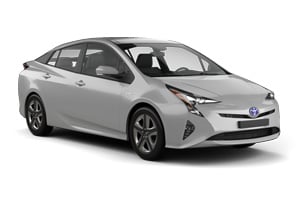
-
Europcar From£ 43 /day -
SR Rent a car From£ 44 /day
-
Europcar From£ 45 /day
-
Europcar From£ 46 /day -
SR Rent a car From£ 50 /day
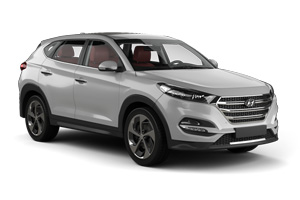
-
SR Rent a car From£ 88 /day -
Europcar From£ 89 /day
-
Europcar From£ 93 /day -
SR Rent a car From£ 94 /day
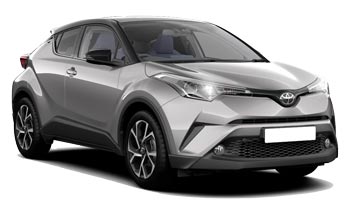
-
Green Motion From£ 111 /day
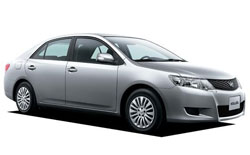
-
SR Rent a car From£ 38 /day
-
SR Rent a car From£ 44 /day
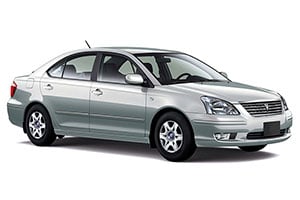
-
Europcar From£ 44 /day
-
Europcar From£ 47 /day

-
SR Rent a car From£ 88 /day -
Europcar From£ 92 /day

-
Europcar From£ 93 /day
-
SR Rent a car From£ 94 /day -
Europcar From£ 97 /day
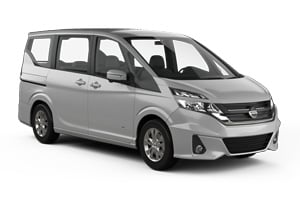
-
SR Rent a car From£ 102 /day
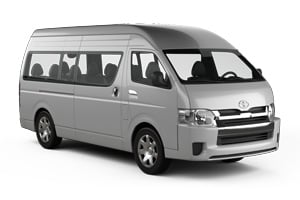
-
Europcar From£ 105 /day
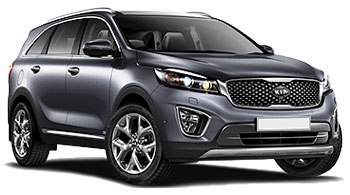
-
SR Rent a car From£ 89 /day
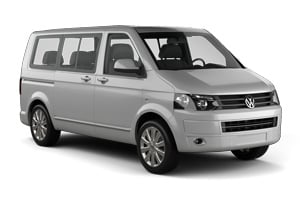
-
Green Motion From£ 90 /day
-
SR Rent a car From£ 94 /day

-
Europcar From£ 92 /day
-
Europcar From£ 97 /day

-
SR Rent a car From£ 119 /day
-
SR Rent a car From£ 125 /day
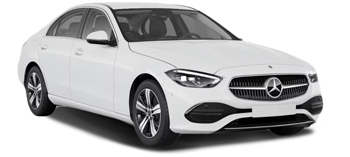
-
Green Motion From£ 150 /day
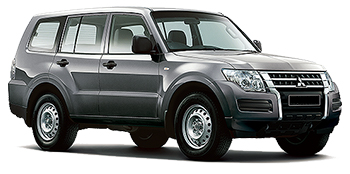
-
SR Rent a car From£ 160 /day -
Europcar From£ 161 /day

-
Europcar From£ 198 /day -
Green Motion From£ 210 /day -
SR Rent a car From£ 281 /day

-
Europcar From£ 198 /day -
SR Rent a car From£ 281 /day
-
Europcar From£ 201 /day -
SR Rent a car From£ 286 /day
-
Europcar From£ 201 /day -
SR Rent a car From£ 286 /day

-
Green Motion From£ 447 /day

-
Green Motion From£ 768 /day

-
Green Motion From£ 813 /day
-
SR Rent a car From£ 102 /day
-
Europcar From£ 105 /day
-
Europcar From£ 105 /day
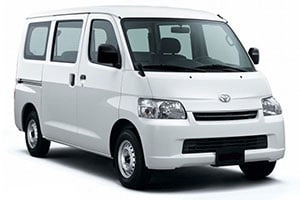
-
SR Rent a car From£ 108 /day
-
SR Rent a car From£ 108 /day
-
Europcar From£ 110 /day
-
Europcar From£ 113 /day
-
SR Rent a car From£ 114 /day

-
Green Motion From£ 53 /day
-
SR Rent a car From£ 88 /day -
Europcar From£ 89 /day
-
Europcar From£ 93 /day -
SR Rent a car From£ 94 /day
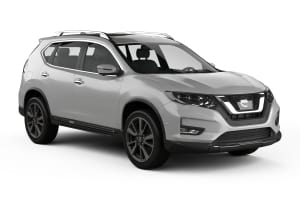
-
SR Rent a car From£ 88 /day -
Europcar From£ 92 /day
-
SR Rent a car From£ 89 /day -
Europcar From£ 93 /day
-
SR Rent a car From£ 94 /day
-
SR Rent a car From£ 94 /day -
Europcar From£ 97 /day
-
Green Motion From£ 111 /day
-
SR Rent a car From£ 160 /day -
Europcar From£ 161 /day
When to book a rental car in Sri Lanka
Sri Lanka - When is the most affordable time to rent a mini class car?
At this destination (Sri Lanka), May is the most affordable time to rent a mini class car with an average daily rate of
Sri Lanka - When is the most affordable time to rent a economy class car?
At this destination (Sri Lanka), September is the most affordable time to rent a economy class car with an average daily rate of
Sri Lanka - When is the most affordable time to rent a compact class car?
At this destination (Sri Lanka), October is the most affordable time to rent a compact class car with an average daily rate of
Sri Lanka - When is the most affordable time to rent an intermediate class car?
At this destination (Sri Lanka), October is the most affordable time to rent a intermediate class car with an average daily rate of
Sri Lanka - When is the most affordable time to rent a standard class car?
At this destination (Sri Lanka), September is the most affordable time to rent a standard class car with an average daily rate of
Sri Lanka - When is the most affordable time to rent a full-size car?
At this destination (Sri Lanka), September is the most affordable time to rent a full-size class car with an average daily rate of
Sri Lanka - When is the most affordable time to rent a luxury car?
At this destination (Sri Lanka), August is the most affordable time to rent a luxury class car with an average daily rate of
Sri Lanka - When is the most affordable time to rent a station wagon?
At this destination (Sri Lanka), July is the most affordable time to rent a station wagon with an average daily rate of
Sri Lanka - When is the most affordable time to rent a SUV?
At this destination (Sri Lanka), October is the most affordable time to rent an SUV with an average daily rate of
Sri Lanka - When is the most affordable time to rent a MPV?
At this destination (Sri Lanka), May is the most affordable time to rent an mpv with an average daily rate of
Sri Lanka - When is the most affordable time to rent a minivan?
At this destination (Sri Lanka), April is the most affordable time to rent a minibus with an average daily rate of
Car rental locations in Sri Lanka
Carrentals.co.uk compares rental car prices at the following destinations
Sri Lanka Guide
Sri Lanka is best explored by rental car. Carrentals.co.uk has over 2 pick-up locations in Sri Lanka. This means there is always a pick-up location close to your destination.
Most popular car hire locations in Sri Lanka
Driving
The ‘teardrop of India’ is made up of bustling towns, ancient cities, lively beach resorts and cool mountainous areas, and is more easily explored than neighouring India. History and culture can be enjoyed at every turn and the ending of the Tamil conflict means most areas are open for exploration. By car you can visit the beaches of Galle, the mountains of Kandy and the statues of Sigiriya.
Driving Tips for Sri Lanka
There are over 70,000 miles of roads, about 2,000 of which are national highways. Although the system is being modernized and improved with new expressways between main centres, routes are generally bumpy, slow and feature lots of traffic and inconsistent signage. Many people hire a car with a driver.
Driving licences: a UK licence, together with an International Driving Permit, is required, along with a driving permit from the AA in Colombo (provided by car hire firms).
Which side does Sri Lanka drive on: the left.
Speed limits:
Expressways: 62mph (100kph)
Rural areas: 46mph (75kph)
Built-up areas/local roads: 35mph (56kph)
Alcohol limits: 0.08 per cent, which is the same permissible blood alcohol level as in the UK.
Driving age: 18 years.
Seatbelts: are compulsory for all passengers. Locals routinely flout the law, but police are tightening up.
Mobile phones and GPS: it is illegal to operate a mobile phone while driving though hands-free kits are permitted. GPS coverage is sketchy outside the main centres and is therefore best used in conjunction with locally produced maps.
Cost of fuel in Sri Lanka: considerably cheaper than in the UK, in particular diesel, which is one-third of the price.
Car hire and fuel payment: most petrol stations accept main credit cards, while car hire firms have a policy where renters pay, or sign a deposit, by credit card.
Insurance: although many locals don’t have it, third-party insurance is the norm. Paying extra for fully comprehensive insurance (with excess if possible) is recommended.
Traffic and parking: Colombo has horrendous traffic and parking is hard to find, while Kandy also gets very busy. Other towns are easier going although traffic moves slowly in general, both in towns and the countryside. There are parking lots, but it is best to leave your car at your hotel when in Colombo.
Transport
Trains
The rail network is not extensive (being particularly scant in the north), although you can go between most tourist towns by train and there are interesting trips with observation cars. Most trips are slow and crowded but there is an express service between Colombo, the capital, and Kandy, the main tourist town. Trains are also more comfortable than buses and cheaper (by class), and there are first, second and third class options. Prices for first class journeys on a main line are under £5. Visit the Government Information Centre for schedules.
Taxis
Taxis are the best way to get around Colombo as they are quick, clean and metered. The yellow NanoCabs are especially useful for dodging traffic. Rates are around £0.30 per kilometre and you can also negotiate a day tour with drivers for about £25. The alternative to taxis is three-wheeler rickshaws, which are ubiquitous and open-sided. While fun for short trips, they are generally not metered and often work out more expensive. Around £0.30 per kilometre is the normal rate—cheaper for longer journeys—but drivers routinely try to charge £0.50 or more per kilometre.
Buses
Buses are typically uncomfortable, crowded and confusing, but cheap. Even air-conditioned services are a bit rough, although you can travel to the next town for about £0.20 or even less using the standard CTB services. It pays to use the intercity express buses as they are much faster.
Ferries
There is a passenger ferry service from Tuticorin in southeastern India to Colombo, and cruise ships with Zegrahm Expeditions also call in. Getting in by boat is not recommended, however.
Airports
Bandaranaike International Airport is the main airport, residing near Katunayake to the north of Colombo. SriLankan Airlines is the flag carrier and offers the most connections, including flights from London-Heathrow. It also serves other main centres in Europe, along with the Middle East, India and the region at large. The country’s other international airports serve regional destinations. Sri Lankan AirTaxi runs seaplanes from Colombo to cities around the country, including Kandy and Galle, for fares of around £50.
Explore
Exploring Sri Lanka
Kandy is the main draw, with its mountains and cool air. It has a slow pace of life and is noted for its day markets and the Temple of the Tooth. There is good cycling, hiking and sightseeing at temples within the Cultural Triangle.
The Dutch old town and beaches of Galle are the main draws to this southern town. In town, see the Dutch fort and hit the beaches at Unawatuna. The sunsets here are legendary.
Yala West National Park is located to the east and is best known for its leopards, while in between the two are the sleepy town of Mirissa and the fabulous beaches of Tangalla. Heading towards Colombo is the lovely resort of Hikkaduwa.
Colombo itself can be hard going. A look at Galle Road and the streets of the Pettah area are interesting, while to the north are some pretty beaches.
Farther north is the cave complex at Dimbulagala and the Sigiriya Rock Fortress, a UNESCO World Heritage site. Heading north again is ancient Anuradhapura, which is said to be set on the site of Buddha’s Tree of Enlightenment.
Our Travel Editor’s Recommended Drives
The southern loop – from Colombo to Galle by way of Rakwana, Deniyaya and Akuressa is a great getaway option for escaping the capital. The drive takes in beautiful countryside where mountains, valleys, forests and waterfalls reside before hitting the beaches of Galle.
Kandy to Mahiyanganaya – head east from Sri Lanka’s favourite town by way of the lush paddy fields of Ampara district and the mountains of Mahiyangana.
Jaffna to Kayts – this northern region does not get many tourists, making it a must for those looking for something different in this now peaceful region. Jaffna, though inherently poor, has many colourful mosques and friendly people, while Kayts lies on the northern tip and is noted for its wildlife.
Holidays and Festivals
Duruthu Full Moon Poya Day (early January)
National Day (4 February)
Medin Full Moon Poya Day (7 March)
Aurudu, Sri Lanka New Year (mid-April)
Vesak (5 May)
Aadi Vel Festival (early August)
Deepavali (mid-October)
Weather
Sri Lanka is typically hot and humid for most of the year, with average temperatures in the mid-20s (°C) and highs well into the 30s (°C). The west and south get hit by monsoonal weather from May to September, and other coastal areas get rain from October to January. The central and northern highland regions are always cooler. Most people come December to March.
Practical Stuff
Sri Lanka Travel Tips
Sri Lanka is on par with India for travel, although is generally easier to travel as distances and population densities are less. There are some things to be aware of, including health and weather issues, so be sure to brush up on these tips.
Sri Lanka contact numbers
Country code - (+94)
British Embassy – +94 11 539 0639
British Consular Emergency – +94 11 539 0639
Irish Embassy – +94 11 258 7895
Australian Embassy – +94 11 246 3200
US Embassy – +94 11 249 8500
Canadian Embassy – +94 11 522 6232
Emergency – 118
Traffic news – +94 11 242 1528
Money matters
The Sri Lankan rupee is the currency, while US dollars and pounds sterling are often accepted at large hotels, big shops and restaurants. Banks and hotels can change currency, as can casinos. Credit cards are accepted but best used sparingly as fraud is a problem here. Debit cards with Maestro, Cirrus or Visa Electron are usually accepted at Commercial Bank ATMs.
Health and safety
The main tourist areas are malaria-free, including Galle, Kandy and Colombo, though visitors should always use mosquito repellent. Vaccinations for hepatitis A and B, and for typhus when visiting in the wet season, are recommended. Cases of dengue fever have been reported in the wet season, as have instances of Japanese encephalitis. Only eat at stalls where you’ve seen the food cooked and avoid tap water. Political and ethnic tensions have now cooled.
Fitting in…
Sri Lankans are friendly, but avoid discussing the Tamil/Sinhalese issue and brush up on the etiquette of the various ethnic groups before visiting. Avoid photographing military installations, going topless at the beach or engaging in public displays of affection.
Visas for Sri Lanka
UK visitors need to apply for an Electronic Travel Authority visa online before visiting Sri Lanka. The visa permits two stays of up to 30 days each within a three month period. The same visa regulations apply to those from other EU countries, Canada, the US and Australia.
Electricity
Sri Lanka is on 230V/50Hz, which is roughly the same as the UK. Sockets are usually round and three-pin though are sometimes of the square type. Adaptors for both types can be had at the airport and in towns.
Business hours
Businesses: 08:00 to 17:00, Monday to Friday, 08:00 to 13:30, Saturday
Government offices: 08:30 to 16:30, Monday to Friday
Shops: 10:00 to 20:00, Monday to Saturday
Banks: 09:00 to 15:00, Monday to Friday
Helpful phrases
Hello - Hello
Karuna kara - Please
Sama venna – Excuse me
Stuh-tee – Thank you
Ehekka keeyada? – How much is this?
Naeh - No
Owu - Yes
Aayu-bowan - Goodbye
Practical information
-
CurrencySri Lankan rupee
-
Driving directionLeft
-
City speed limit50 km/h
-
Freeway speed limit70 km/h
-
LanguageTamil, Sinhalese
-
Popular car categoryEconomy
What most people want to know
The following questions and answers are a selection of the most popular questions. If you do not find the answer to your question, have a look at the Frequently Asked Questions page or contact us.
- Europcar
- Hertz
- Green Motion
- SR Rent a car
- Avis
- Budget
- Sixt
- Advantage Rent a Car
- Ace Rental Cars
- NÜ Car Rentals
- Keddy By Europcar
- U-Save Auto Rental
- Carwiz rent a car
- Abbycar
- ACE Rent A Car
- Acarent