
- Over 1 million successful rentals
- Popular countries
- Popular regions
- Popular cities
- Popular airports
- Car Hire United Kingdom
- Car Hire Spain
- Car Hire Italy
- Car Hire France
- Car Hire United States
- Car Hire Portugal
- Car Hire Greece
- Car Hire Ireland
- Car Hire Cyprus
- Car Hire Switzerland
- Car Hire Germany
- Car Hire Croatia
- Car Hire Turkey
- Car Hire Canada
- Car Hire South Africa
- Car Hire Austria
- Car Hire Poland
- Car Hire Australia
- Car Hire Netherlands
- Car Hire Denmark
- Car Hire England
- Car Hire Scotland
- Car Hire Majorca
- Car Hire Florida
- Car Hire California
- Car Hire Crete
- Car Hire Sicily
- Car Hire Sardinia
- Car Hire Menorca
- Car Hire Wales
- Car Hire Kefalonia
- Car Hire Tenerife
- Car Hire Channel Islands
- Car Hire Corsica
- Car Hire Madeira
- Car Hire Gran Canaria
- Car Hire Fuerteventura
- Car Hire Isle of Man
- Car Hire Santorini
- Car Hire Azores
- Car Hire London
- Car Hire Faro
- Car Hire Malaga
- Car Hire Manchester
- Car Hire Alicante
- Car Hire Palma de Mallorca
- Car Hire Edinburgh
- Car Hire Dublin
- Car Hire Geneva
- Car Hire Nice
- Car Hire Paphos
- Car Hire Pisa
- Car Hire Birmingham
- Car Hire Lisbon
- Car Hire Milan
- Car Hire Larnaca
- Car Hire Glasgow
- Car Hire Orlando
- Car Hire Bristol
- Car Hire Rome
- Car Hire London Heathrow Airport
- Car Hire Faro Airport
- Car Hire London Gatwick Airport
- Car Hire Malaga Airport
- Car Hire Alicante Airport
- Car Hire Manchester Airport
- Car Hire Mallorca Airport
- Car Hire Dublin Airport
- Car Hire Edinburgh Airport
- Car Hire Nice Airport
- Car Hire London Stansted Airport
- Car Hire Paphos Airport
- Car Hire Pisa Airport
- Car Hire Lisbon Airport
- Car Hire Birmingham Airport
- Car Hire Larnaca Airport
- Car Hire London Luton Airport
- Car Hire Geneva Airport (Switzerland)
- Car Hire Orlando International Airport
- Car Hire Glasgow Airport
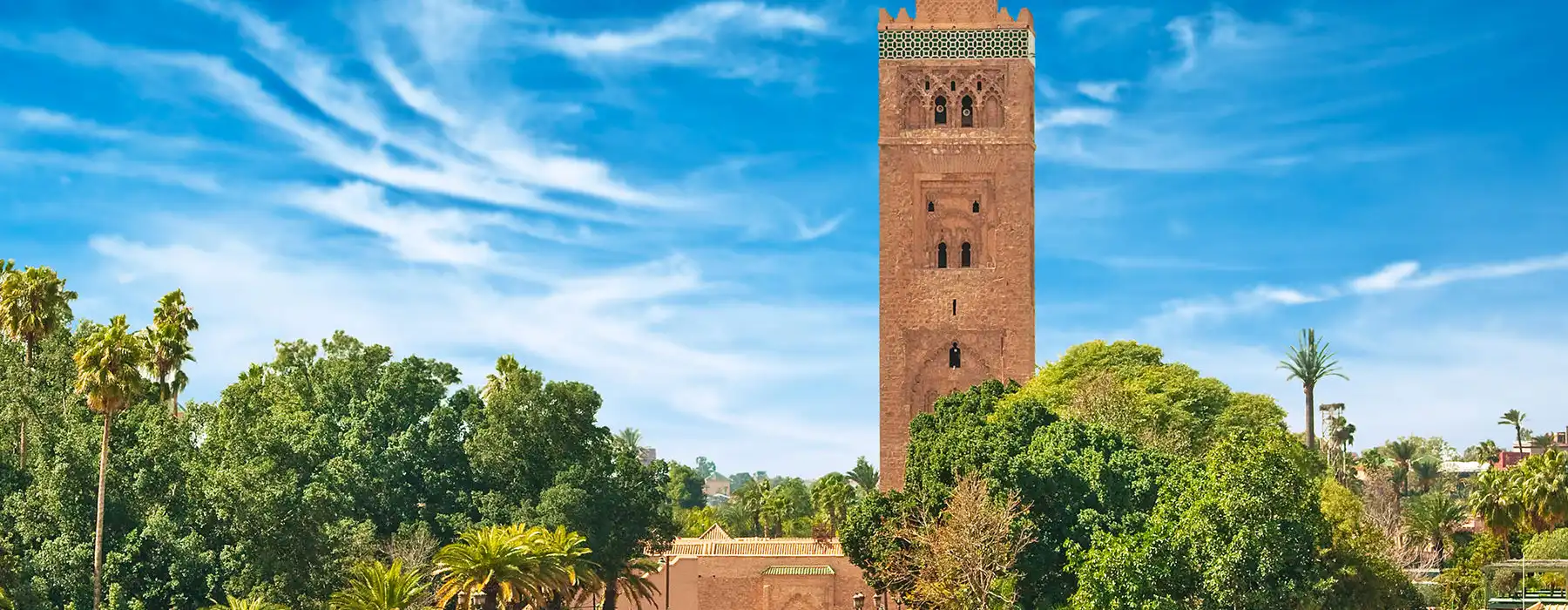
Car Hire Morocco
Save time and money. We compare the offers of car rental companies in Morocco on your behalf.
- Free cancellation Up to 48 hours prior to the scheduled pick-up time
- Best price guarantee Have you found a better price? Let us know and we will make you a better offer.
- 24000+ pick-up locations Locations around the world

Compare Car Hire
Carrentals.co.uk offers simple and straightforward car hire comparison services. We don't add a penny to your quotes!
Car rental offers in Morocco
Whether you're looking for a small rental car or a station wagon for the entire family, we will always have a suitable vehicle at the lowest price. Below are some examples from our selection in Morocco.
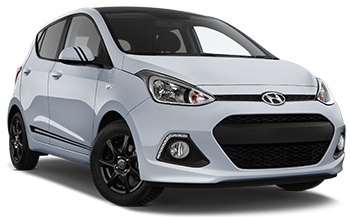
-
addCarRental From£ 5 /day -
United rent a car From£ 6 /day -
Optimo Rent From£ 6 /day
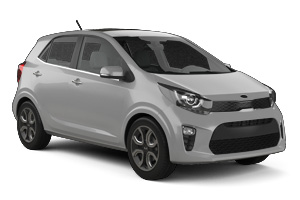
-
addCarRental From£ 5 /day -
Dryyve From£ 6 /day -
United rent a car From£ 6 /day
-
U-Save Auto Rental From£ 11 /day -
Location Auto From£ 11 /day -
Green Motion From£ 12 /day
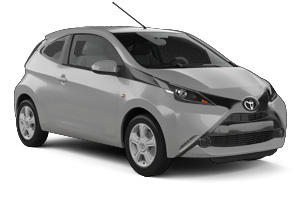
-
Dryyve From£ 6 /day
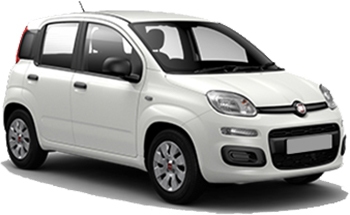
-
Location Auto From£ 7 /day -
Autounion Car Rental From£ 15 /day -
Alamo From£ 17 /day
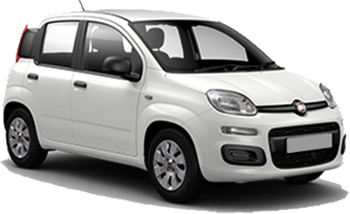
-
Location Auto From£ 11 /day -
Autounion Car Rental From£ 19 /day -
Alamo From£ 22 /day
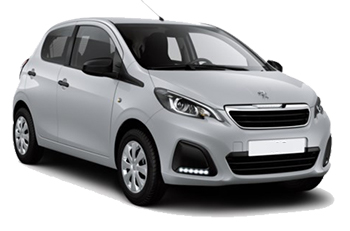
-
Location Auto From£ 7 /day
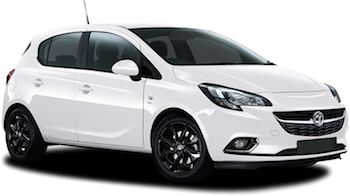
-
Location Auto From£ 8 /day
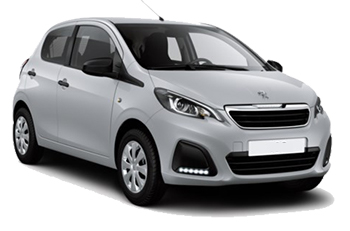
-
Location Auto From£ 11 /day
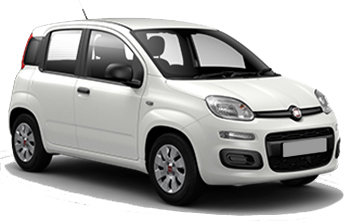
-
Dryyve From£ 6 /day -
Autounion Car Rental From£ 9 /day
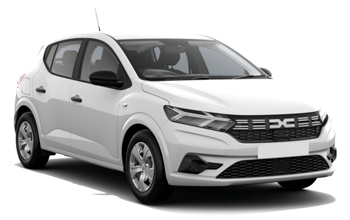
-
Dryyve From£ 6 /day -
addCarRental From£ 6 /day -
United rent a car From£ 7 /day
-
Dryyve From£ 11 /day -
U-Save Auto Rental From£ 12 /day -
Autounion Car Rental From£ 13 /day
-
addCarRental From£ 6 /day -
Location Auto From£ 13 /day -
Dollar Rent a Car From£ 13 /day
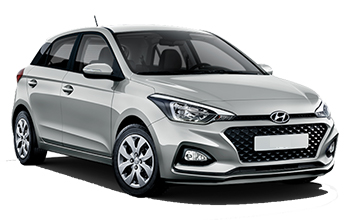
-
addCarRental From£ 6 /day -
Keddy By Europcar From£ 18 /day -
Europcar From£ 19 /day
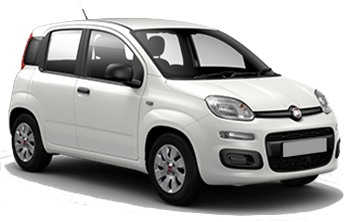
-
Dryyve From£ 11 /day -
Autounion Car Rental From£ 12 /day
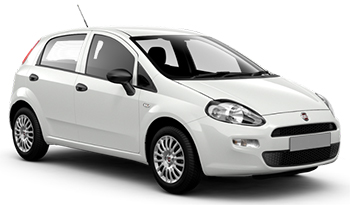
-
United rent a car From£ 7 /day -
Right Cars From£ 19 /day -
United rent a car From£ 99 /day
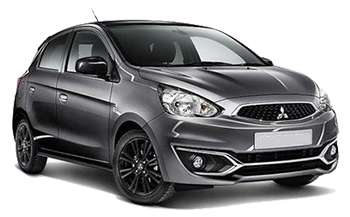
-
United rent a car From£ 7 /day
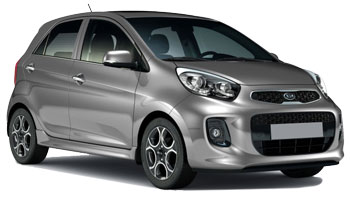
-
Location Auto From£ 11 /day -
Budget From£ 19 /day
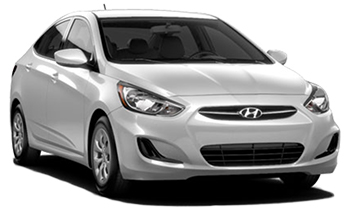
-
addCarRental From£ 7 /day -
Autounion Car Rental From£ 17 /day -
Zezgo From£ 20 /day
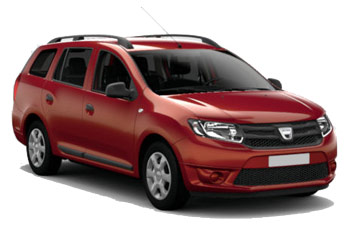
-
addCarRental From£ 7 /day -
United rent a car From£ 7 /day -
Dryyve From£ 7 /day

-
Dryyve From£ 12 /day -
Autounion Car Rental From£ 13 /day -
Optimo Rent From£ 16 /day
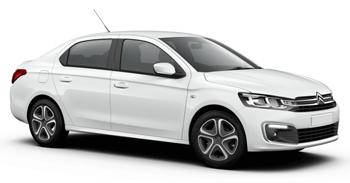
-
United rent a car From£ 7 /day -
Autounion Car Rental From£ 10 /day -
Location Auto From£ 38 /day
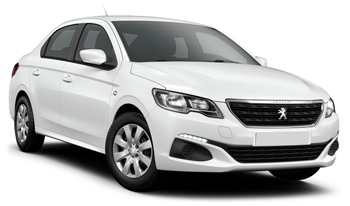
-
United rent a car From£ 7 /day -
Dryyve From£ 7 /day -
Optimo Rent From£ 8 /day
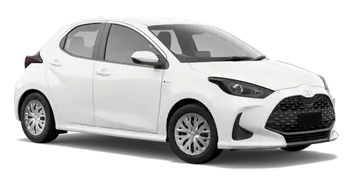
-
U-Save Auto Rental From£ 12 /day -
Green Motion From£ 14 /day -
Location Auto From£ 17 /day
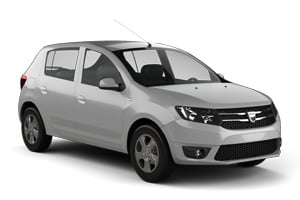
-
Location Auto From£ 9 /day -
AIR CAR From£ 16 /day -
Europcar From£ 19 /day
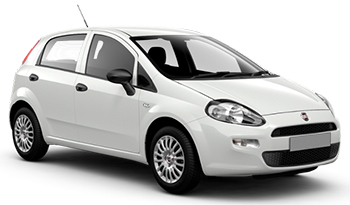
-
Location Auto From£ 9 /day
-
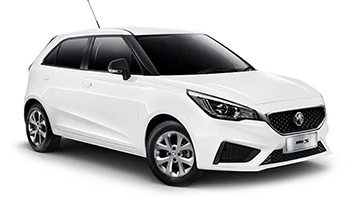
U-Save Auto Rental From£ 12 /day -
Green Motion From£ 14 /day -
Autounion Car Rental From£ 15 /day
-
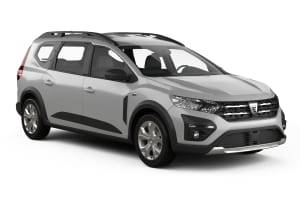
Green Motion From£ 14 /day -
U-Save Auto Rental From£ 14 /day -
Autounion Car Rental From£ 16 /day
-
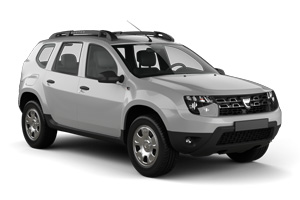
United rent a car From£ 14 /day -
DiRENT a car From£ 16 /day -
Green Motion From£ 17 /day
-
Green Motion From£ 16 /day -
U-Save Auto Rental From£ 17 /day -
Autounion Car Rental From£ 21 /day
-
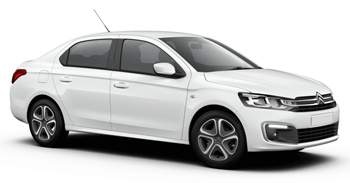
SurPrice car rentals From£ 15 /day -
Green Motion From£ 15 /day
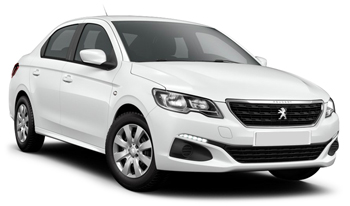
-
SurPrice car rentals From£ 16 /day -
Alamo From£ 23 /day -
Enterprise From£ 26 /day
-
SurPrice car rentals From£ 17 /day -
Green Motion From£ 20 /day
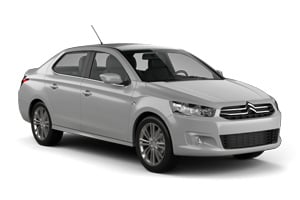
-
SurPrice car rentals From£ 16 /day
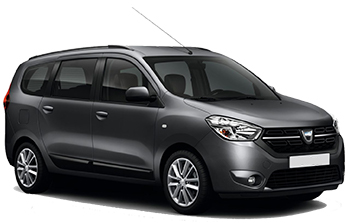
-
AIR CAR From£ 16 /day -
SurPrice car rentals From£ 20 /day -
Avis From£ 26 /day
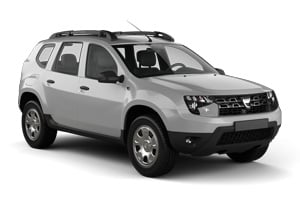
-
DiRENT a car From£ 18 /day -
Green Motion From£ 21 /day -
Autounion Car Rental From£ 21 /day
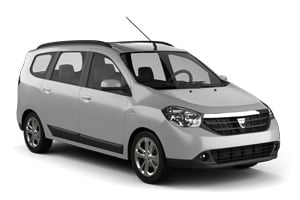
-
United rent a car From£ 17 /day -
Avis From£ 26 /day -
Payless Car Rental From£ 35 /day
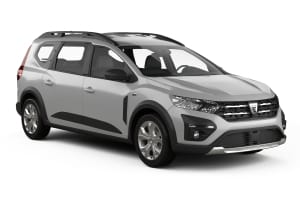
-
Autounion Car Rental From£ 18 /day -
AIR CAR From£ 22 /day
-
Autounion Car Rental From£ 19 /day
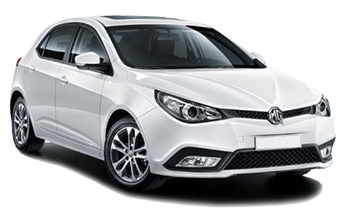
-
Autounion Car Rental From£ 18 /day -
OK Mobility From£ 21 /day -
AIR CAR From£ 22 /day
-
Autounion Car Rental From£ 18 /day -
OK Mobility From£ 22 /day

-
Autounion Car Rental From£ 19 /day -
OK Mobility From£ 31 /day
-
Autounion Car Rental From£ 22 /day
-
U-Save Auto Rental From£ 20 /day -
Green Motion From£ 22 /day
-
Autounion Car Rental From£ 20 /day
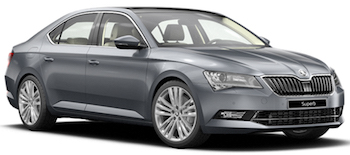
-
Dollar Rent a Car From£ 25 /day -
Thrifty From£ 27 /day -
Hertz From£ 30 /day
-
U-Save Auto Rental From£ 30 /day -
Green Motion From£ 43 /day
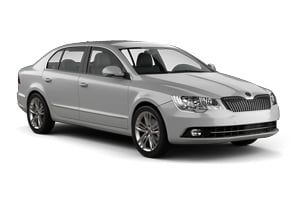
-
Thrifty From£ 31 /day -
Dollar Rent a Car From£ 32 /day -
Hertz From£ 32 /day
-
Green Motion From£ 32 /day

-
U-Save Auto Rental From£ 36 /day -
Green Motion From£ 65 /day -
Avis From£ 72 /day
-
U-Save Auto Rental From£ 34 /day -
Green Motion From£ 40 /day -
Avis From£ 53 /day
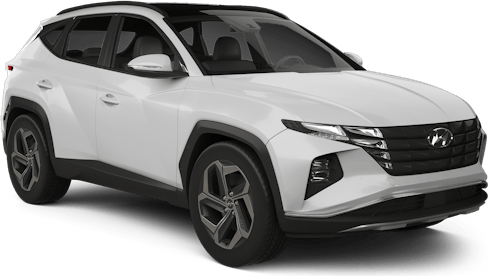
-
Autounion Car Rental From£ 36 /day
-
Autounion Car Rental From£ 36 /day
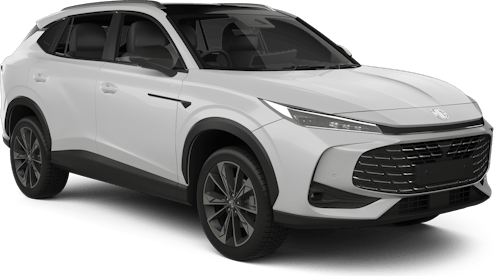
-
Autounion Car Rental From£ 36 /day

-
U-Save Auto Rental From£ 31 /day -
Green Motion From£ 51 /day
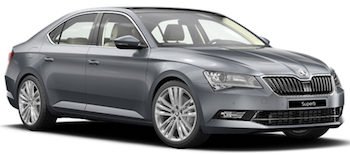
-
Thrifty From£ 34 /day -
Dollar Rent a Car From£ 34 /day -
Hertz From£ 36 /day
-
Thrifty From£ 34 /day -
Dollar Rent a Car From£ 35 /day -
Hertz From£ 39 /day
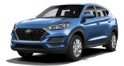
-
SurPrice car rentals From£ 36 /day
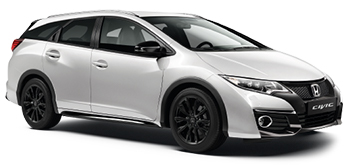
-
Hertz From£ 40 /day

-
U-Save Auto Rental From£ 36 /day -
Green Motion From£ 49 /day
-
Hertz From£ 36 /day
-
SurPrice car rentals From£ 47 /day
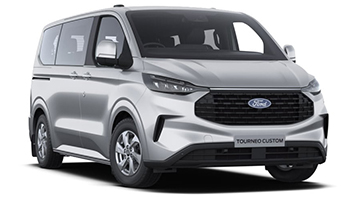
-
United rent a car From£ 42 /day -
Europcar From£ 83 /day -
Advantage Rent a Car From£ 85 /day
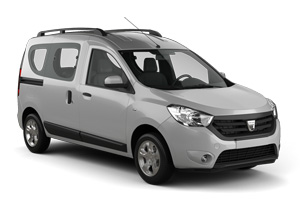
-
SurPrice car rentals From£ 21 /day -
United rent a car From£ 104 /day -
United rent a car From£ 114 /day
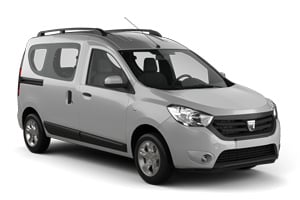
-
SurPrice car rentals From£ 28 /day -
United rent a car From£ 108 /day
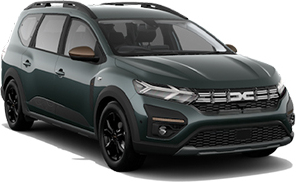
-
Budget From£ 98 /day
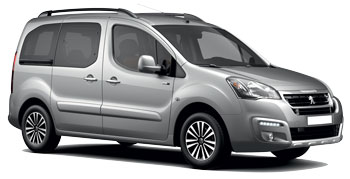
-
United rent a car From£ 103 /day -
United rent a car From£ 113 /day
-
United rent a car From£ 107 /day
-
Budget From£ 109 /day
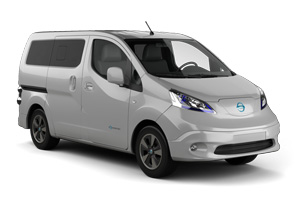
-
AIR CAR From£ 22 /day
-
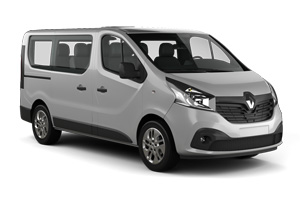
United rent a car From£ 42 /day -
Green Motion From£ 53 /day -
U-Save Auto Rental From£ 56 /day
-
Green Motion From£ 58 /day -
Dollar Rent a Car From£ 92 /day -
Budget From£ 98 /day
-
United rent a car From£ 42 /day -
SurPrice car rentals From£ 66 /day -
DiRENT a car From£ 78 /day
-
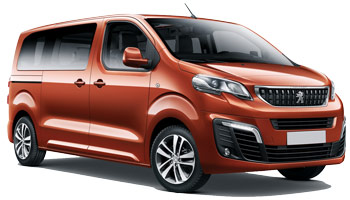
United rent a car From£ 42 /day -
OK Mobility From£ 130 /day -
United rent a car From£ 142 /day
-
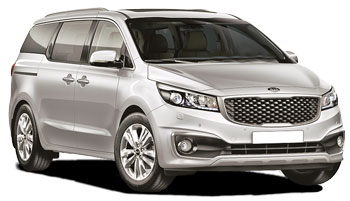
Hertz From£ 70 /day -
Dollar Rent a Car From£ 70 /day
-
Dollar Rent a Car From£ 44 /day -
Hertz From£ 49 /day

-
United rent a car From£ 49 /day -
United rent a car From£ 141 /day
-
SurPrice car rentals From£ 70 /day -
Europcar From£ 85 /day

-
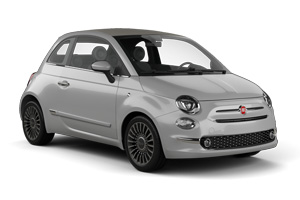
OK Mobility From£ 28 /day
-
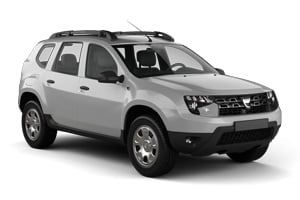
OK Mobility From£ 29 /day
-
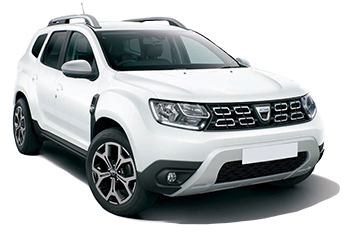
U-Save Auto Rental From£ 18 /day -
Autounion Car Rental From£ 20 /day -
AIR CAR From£ 20 /day

-
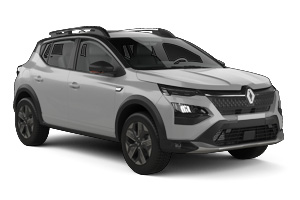
U-Save Auto Rental From£ 20 /day -
AIR CAR From£ 21 /day -
Green Motion From£ 21 /day
-
Green Motion From£ 23 /day -
Dollar Rent a Car From£ 24 /day -
Thrifty From£ 24 /day
-
Green Motion From£ 21 /day -
Avis From£ 27 /day -
Payless Car Rental From£ 28 /day
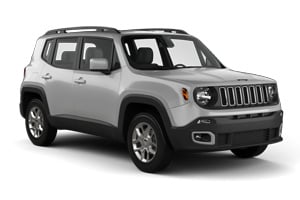
-
Autounion Car Rental From£ 23 /day -
Sixt From£ 45 /day -
Location Auto From£ 52 /day

-
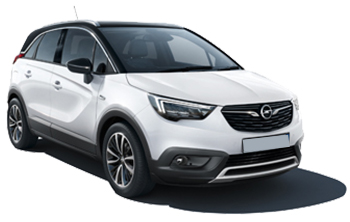
Green Motion From£ 25 /day -
U-Save Auto Rental From£ 25 /day -
AIR CAR From£ 28 /day
-
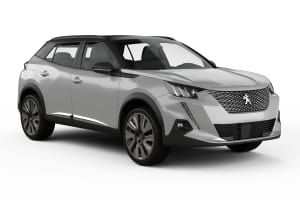
Thrifty From£ 23 /day -
Hertz From£ 28 /day
-
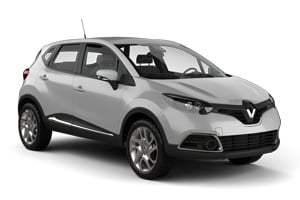
OK Mobility From£ 27 /day -
Avis From£ 40 /day -
Payless Car Rental From£ 40 /day
-
Europcar From£ 25 /day
-
Green Motion From£ 34 /day -
U-Save Auto Rental From£ 40 /day
-
Green Motion From£ 35 /day
Popular cities in Morocco


Popular rental locations in Morocco
-
Car Hire Marrakech AirportFrom
£ 5 /day -
Car Hire Tangier AirportFrom
£ 4 /day -
Car Hire Fez Saiss AirportFrom
£ 5 /day -
Car Hire Rabat AirportFrom
£ 5 /day -
Car Hire Casablanca Mohammed V AirportFrom
£ 4 /day -
Car Hire Agadir Al Massira AirportFrom
£ 4 /day -
Car Hire Ouarzazate AirportFrom
£ 11 /day -
Car Hire Essaouira AirportFrom
£ 12 /day
When to book a rental car in Morocco
Morocco - When is the most affordable time to rent a mini class car?
At this destination (Morocco), November is the most affordable time to rent a mini class car with an average daily rate of
Morocco - When is the most affordable time to rent a economy class car?
At this destination (Morocco), November is the most affordable time to rent a economy class car with an average daily rate of
Morocco - When is the most affordable time to rent a compact class car?
At this destination (Morocco), January is the most affordable time to rent a compact class car with an average daily rate of
Morocco - When is the most affordable time to rent an intermediate class car?
At this destination (Morocco), November is the most affordable time to rent a intermediate class car with an average daily rate of
Morocco - When is the most affordable time to rent a standard class car?
At this destination (Morocco), November is the most affordable time to rent a standard class car with an average daily rate of
Morocco - When is the most affordable time to rent a full-size car?
At this destination (Morocco), February is the most affordable time to rent a full-size class car with an average daily rate of
Morocco - When is the most affordable time to rent a luxury car?
At this destination (Morocco), September is the most affordable time to rent a luxury class car with an average daily rate of
Morocco - When is the most affordable time to rent a station wagon?
At this destination (Morocco), November is the most affordable time to rent a station wagon with an average daily rate of
Morocco - When is the most affordable time to rent a SUV?
At this destination (Morocco), September is the most affordable time to rent an SUV with an average daily rate of
Morocco - When is the most affordable time to rent a MPV?
At this destination (Morocco), September is the most affordable time to rent an mpv with an average daily rate of
Morocco - When is the most affordable time to rent a minivan?
At this destination (Morocco), September is the most affordable time to rent a minibus with an average daily rate of
Morocco - When is the most affordable time to rent a sports car?
At this destination (Morocco), September is the most affordable time to rent a sports car with an average daily rate of
Morocco - When is the most affordable time to rent a convertible?
At this destination (Morocco), September is the most affordable time to rent a convertible with an average daily rate of
Morocco - When is the most affordable time to rent a sedan?
At this destination (Morocco), November is the most affordable time to rent a sedan with an average daily rate of
Car rental locations in Morocco
Carrentals.co.uk compares rental car prices at the following destinations
Morocco Guide
Morocco is best explored by rental car. Carrentals.co.uk has over 23 pick-up locations in Morocco. This means there is always a pick-up location close to your destination.
Most popular car hire locations in Morocco
Driving
Morocco offers visitors everything from a shoreline ranging from the Atlantic Ocean to the Mediterranean Sea, the desolate Atlas mountain range and the Sahara Desert to famed historic cities and buzzing coastal resorts. A magical combination of ancient and modern, romance, culture and natural beauty, Morocco will seduce and enthrall you. The medieval glory of Fez, the souks of Marrakech, Casablanca’s vibrant nightclubs and the beaches at Agadir all make for an unforgettable visit.
Driving Tips for Morocco
Tangier, Marrakech and Casablanca are linked by fast toll freeways, and highways join the smaller cities. Road signage is in French and Arabic, and the roads in general are in good shape, but accidents are commonplace. Police patrols searching for traffic and vehicle law violations abound so drivers should beware of on-the-spot fines.
Driving licences: an International Driving Permit is required.
Which side does Morocco drive on: the right.
Speed limits:
Cities: 25mph (40kph)
Main roads: 50mph (80kph)
Freeways: 75mph (120kph)
Alcohol limits: Morocco has a zero-tolerance rule on drink-driving and police patrols can stop drivers on suspicion as well as to check documents.
Driving age: 18 years: for car hire, it’s 23 years.
Seatbelts: are mandatory at all times for driver and passengers.
Mobile phones and GPS: mobile phone usage while driving is forbidden. GPS usage is recommended in city centres.
Cost of fuel in Morocco: cheaper than in the UK.
Car hire and fuel payment: car hire companies prefer payment by credit card, but local firms may accept a cash deposit. Major petrol stations including Shell accept card payment, but small outlets insist on cash.
Insurance: third-party insurance is compulsory, but fully comprehensive cover is advised due to the risk of collisions and windscreen damage.
Traffic and parking: traffic conditions in the large cities such as Tangier and Casablanca are chaotic, with drivers constantly changing lanes without signalling. Parking in the cities is by meter and is charged by the hour.
Transport
Trains
Train travel in Morocco is fast, frequent and comfortable, although the network is limited. Tangier and Marrakech are linked by rail, with the line passing through Casablanca and Rabat, and a branch line to Fez and Meknes. The service is state-owned and run by the Office National des Chemins de Fer and offers air-conditioned, first and second-class inter-city travel at cheap rates. For example, a 510 mile (820km), 15-hour trip between Oudja and Marrakech in first class costs £30. Overnight sleeper trains are well-equipped, and punctuality is more common than delays.
Taxis
Morocco’s collective taxi services, known as grands taxis, operate in every region of the country 24 hours, linking cites, towns and villages. The vehicles, normally ancient Mercedes sedans, lurk at ranks near bus and rail stations, and on street corners, and mostly serve short journeys at fixed fares. The downside is the condition of the cabs themselves. Six passengers are carried at any one time, and the cab leaves when it’s full. A cheaper, and perhaps safer, option is the government-regulated petit taxi metered cab service, with its knowledgeable drivers and minimum fare of £0.50.
Buses
Buses are the cheapest way to get around and have the most comprehensive coverage of the country. A network of privately-owned operators compete on the most popular routes, with the four major players, Compagnie de Transports Marocain, SATAS, Supratours and Trans Ghazala fighting it out with privatised national carrier CTM, the most reliable choice for touring. The air-conditioned, well-maintained buses depart on fixed schedules and have numbered seats, thus avoiding overbooking. Overnight services run to distant destinations, with fares in general ranging from £3 for an hour’s journey to £20 for a 15-hour long-haul marathon.
Ferries
It’s possible to take a ferry from Algeciras and other Spanish ports to Morocco’s huge port of Tangiers, and it’s definitely the most romantic way to arrive. In the high season, boats run every hour, day and night, with the journey, dependent on the vessel, taking anything from 1 hour, 20 minutes to over 3 hours. Fares are reasonable at around £30. Nautas is one of a number of ferry companies providing the service.
Airports
Casablanca’s Mohammed V International Airport is Morocco’s main air arrivals hub, although direct scheduled flights from Europe, including the UK, also land at Agadir, Marrakech, Fez, Rabat and Tangier airports. Low-cost and charter flights serve the tourism hubs of Agadir, Marrakech and Fez. Royal Air Maroc flies from London’s Heathrow and Gatwick to Casablanca, and Air Arabia Maroc flies from London-Gatwick. Marrakech is served by EasyJet from Manchester, Ryanair from London’s Luton and Stansted, and Thomson from Birmingham, London-Gatwick and Manchester. Average prices from the UK start at around £200. Casablanca is connected to its airport by rail, bus, taxi, while car hire is available at the terminal.
Explore
Exploring Morocco
Exploring the sights, sounds, colours and tastes of the Islamic African country of Morocco by hire car is an unforgettable experience, beginning in movie-famous Casablanca with a visit to the massive Hassan II Mosque, the second-largest Islamic place of worship on earth. Casablanca’s colonial, Hispano-Moorish and Art Deco architecture is also worth seeing before you head inland from the Atlantic coast to the ‘Red City’ of Marrakech for its medieval splendour, palaces and vibrant souks.
The former imperial city of Fez is another medieval treasure, with its narrow streets crammed with heritage buildings and tiny shops. Leather goods here make the perfect souvenir. Meknes city is nicknamed the ‘Versailles of Morocco’ for its Spanish-Moorish beauty, soaring city walls, blend of Islamic and European cultures, and traditional hammams (Turkish baths). The picturesque, 18th century fortified beach town of Essaouira was the setting for Orson Welles’ Othello movie, entitled the Moor of Venice, and has changed little over the centuries.
The Atlas Mountains are steeped in history, with deep valleys and adobe villages leading to their highest point, Jebel Toubkal, a focus for hikers and climbers. The ultimate Moroccan journey takes visitors into the forbidding Sahara Desert to spend the night at a Bedu camp under the magnificently-starred sky. On the way, don’t miss the breathtaking Todra Gorge or the incredibly ancient walled village of Ait-Benhaddou, with its mud brick Kasbahs the setting for movies including Lawrence of Arabia.
Our Travel Editor’s Recommended Drives
Rabat to Meknes – this drive begins amid the hustle and bustle of Rabat city, where fascinating souks sell spices, leather goods and traditional crafts, and ends at beautiful Meknes, famous for its Spanish-Moorish architecture.
Meknes to Fez – driving along the N13 road takes you to the spectacular Roman remains of Volubilis, now a UNESCO World Heritage site for its basilica, mosaics, temples, capitol arch and ruined town. Nearby Moulay Idriss has been a pilgrimage destination for centuries, and medieval Fez itself is renowned for its walled Old City, the best-preserved in Arabia.
Dades Valley to Ait Benhaddou – heading into the desert wilderness, you’ll pass 17th century Kasbah Ben Moro, once a Bedouin stronghold and now a hotel set in the oasis of Skoura. This route takes travellers to unique, fortified Ait Benhaddou, a UNESCO-listed heritage site for its hillside mud-brick town and Kasbahs.
Holidays and Festivals
Ramadan (July/August, dependent on the Islamic calendar)
Eid ul-Fitr (at the end of Ramadan)
Weather
Morocco’s climate is mixed and dependent on geographical location, with the coastal areas enjoying Mediterranean weather patterns and temperatures of up to 27°C in summer. The southern interior is hotter and drier, with temperatures falling dramatically at night, particularly in December and January. The mountainous regions are cooler by far, and most rain here falls along the coast between November and March. Winter highs in Marrakech and Agadir sit around 20°C.
Practical Stuff
Morocco Travel Tips
Travellers are drawn to Morocco’s stunning landscapes, long history and fascinating culture, as well as to its beach and other activities, famous souks and hammams (baths). Shopping in the traditional markets is a joy, with bargaining de riguer and a huge choice of things to buy. Carpets, rugs, leather goods, Bedouin jewellery and textiles, pottery, antiques and more are all here.
Morocco contact numbers
Country code - (+21)
Police – 19/177
Medical - 15
Fire - 15
Information - 160
Highway emergency service - 177
International information – 120
American Embassy - +21 23 776 2265
Australian Representation – +21 23 768 7400
British Embassy – +21 23 763 3333
Canadian Embassy – +21 23 768 7400
Money matters
Morocco’s official currency is the Moroccan dirham (DH, MAD). It’s stable, restricted to the country and isn’t traded, with currency exchange on arrival at the airport necessary. A few venues in the large cities may also accept euro, but the country is mainly a cash society. Euro is the easiest currency to exchange, with pound sterling and US dollars only accepted at banks. Few outlets accept card payments, even in the cities, but Visa and MasterCard credit cards can be used to withdraw cash at banks, bureaux de change and ATMs in the cities. ATMs only accept four-digit PIN numbers.
Health and safety
No specific vaccinations are required for Morocco, but routine jabs should be updated if necessary, and checking online for health warnings is recommended. If you’re fond of street food, a hepatitis A jab is a good idea, and drinking only bottled water is advised. Make sure the bottle’s seal is intact as some places refill bottles with local tap water.
Fitting in…
Moroccans are generally friendly and helpful but, as in any Muslim country, cultural respect is appreciated. The right hand should be used to pass cash or shake hands, respectful dress is essential when visiting mosques and other holy sites, and foreigners should take care not to be seen eating between sun-up and sundown during Ramadan.
Visas for Morocco
UK visitors to Morocco are given visa-free entry for a stay of up to 90 days on production of a passport which has at least six months’ validity remaining and proof of a return journey.
Electricity
Electricity here comes at 220V/50Hz, and sockets are configured to the standard two-pin Europlug. Visitors from the UK will need a plug adapter and those from North America whose electrical items are not dual-voltage will need a step-down transformer as well as a plug adapter.
Business hours
Businesses: 09:00 to 17:30 or 19:00, Monday to Friday
Government offices: 09:00 to 17:00, Monday to Friday
Shops: 08:30 to 12:00 and 14:30 to 18:00, Monday to Friday
08:30 to 12:00 Saturday
Banks: 08:15 to 15:45, Monday to Friday
Helpful phrases
Ahlan - Hello
Shukran - Thank you
Bslama - Goodbye
Smah li - Excuse me
Menu afak – Menu, please
Fayen ja… ? - Where is… ?
Atay – Tea
Wakha - Yes
lla - No
Practical information
-
CurrencyMoroccan dirham
-
Driving directionRight
-
City speed limit60 km/h
-
Freeway speed limit100 km/h
-
LanguageArabic
-
Popular car categoryEconomy
What most people want to know
The following questions and answers are a selection of the most popular questions. If you do not find the answer to your question, have a look at the Frequently Asked Questions page or contact us.
- CarQ
- Enterprise
- Europcar
- Avis
- Thrifty
- Goldcar Key'n Go
- Optimo Rent
- Sixt
- Autounion Car Rental
- Street Rent a Car
- Alamo
- Budget
- Hertz
- Carwiz rent a car
- Keddy By Europcar
- AIR CAR
- Dollar Rent a Car
- OK Mobility
- GLOBAL Rent-a-Car
- U-Save Auto Rental
- OtoQ
- DiRENT a car
- Location Auto
- InterRent
- United rent a car
- SurPrice car rentals
- Dryyve
- FireFly Car Rental
- Payless Car Rental
- Global Rent a Car
- Goldcar
- Green Motion
- Right Cars
- United rent a car
- Zezgo
- Abbycar
- wheego
- ACE Rent A Car
- Routes
- addCarRental
- Economy Rent a Car
- Flex To Go
- National Car Rental
- Acarent
- Exer Rent A Car
- Cargini
- Advantage Rent a Car
- Ace Rental Cars
- Flizzr
- NÜ Car Rentals