
- Over 1 million successful rentals
- Popular countries
- Popular regions
- Popular cities
- Popular airports
- Car Hire United Kingdom
- Car Hire Spain
- Car Hire Italy
- Car Hire France
- Car Hire United States
- Car Hire Portugal
- Car Hire Greece
- Car Hire Ireland
- Car Hire Cyprus
- Car Hire Switzerland
- Car Hire Germany
- Car Hire Croatia
- Car Hire Turkey
- Car Hire Canada
- Car Hire South Africa
- Car Hire Austria
- Car Hire Poland
- Car Hire Australia
- Car Hire Netherlands
- Car Hire Denmark
- Car Hire England
- Car Hire Scotland
- Car Hire Majorca
- Car Hire Florida
- Car Hire California
- Car Hire Crete
- Car Hire Sicily
- Car Hire Sardinia
- Car Hire Menorca
- Car Hire Wales
- Car Hire Kefalonia
- Car Hire Tenerife
- Car Hire Channel Islands
- Car Hire Corsica
- Car Hire Madeira
- Car Hire Gran Canaria
- Car Hire Fuerteventura
- Car Hire Isle of Man
- Car Hire Santorini
- Car Hire Azores
- Car Hire London
- Car Hire Faro
- Car Hire Malaga
- Car Hire Manchester
- Car Hire Alicante
- Car Hire Palma de Mallorca
- Car Hire Edinburgh
- Car Hire Dublin
- Car Hire Geneva
- Car Hire Nice
- Car Hire Paphos
- Car Hire Pisa
- Car Hire Birmingham
- Car Hire Lisbon
- Car Hire Milan
- Car Hire Larnaca
- Car Hire Glasgow
- Car Hire Orlando
- Car Hire Bristol
- Car Hire Rome
- Car Hire London Heathrow Airport
- Car Hire Faro Airport
- Car Hire London Gatwick Airport
- Car Hire Malaga Airport
- Car Hire Alicante Airport
- Car Hire Manchester Airport
- Car Hire Mallorca Airport
- Car Hire Dublin Airport
- Car Hire Edinburgh Airport
- Car Hire Nice Airport
- Car Hire London Stansted Airport
- Car Hire Paphos Airport
- Car Hire Pisa Airport
- Car Hire Lisbon Airport
- Car Hire Birmingham Airport
- Car Hire Larnaca Airport
- Car Hire London Luton Airport
- Car Hire Geneva Airport (Switzerland)
- Car Hire Orlando International Airport
- Car Hire Glasgow Airport
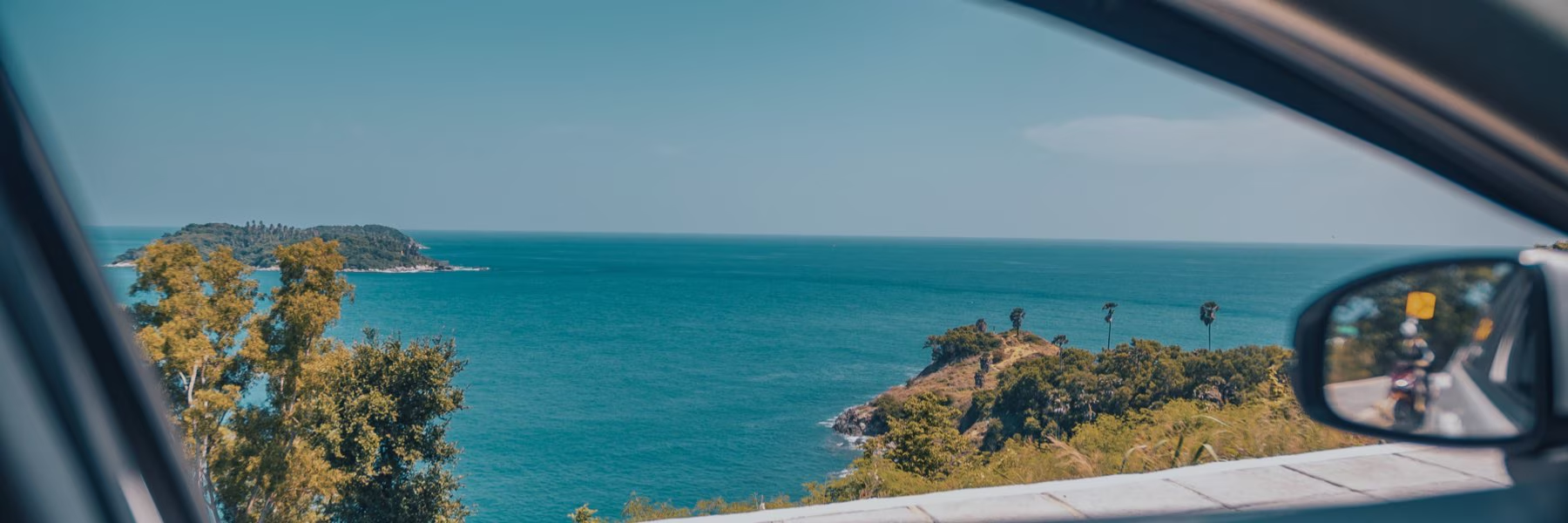
Car Hire Mauritius
Save time and money. We compare the offers of car rental companies in Mauritius on your behalf.
- Free cancellation Up to 48 hours prior to the scheduled pick-up time
- Best price guarantee Have you found a better price? Let us know and we will make you a better offer.
- 24000+ pick-up locations Locations around the world

Compare Car Hire
Carrentals.co.uk offers simple and straightforward car hire comparison services. We don't add a penny to your quotes!
Car rental offers in Mauritius
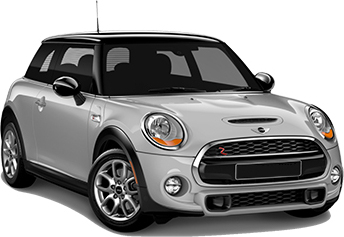
Whether you're looking for a small rental car or a station wagon for the entire family, we will always have a suitable vehicle at the lowest price. Below are some examples from our selection in Mauritius.
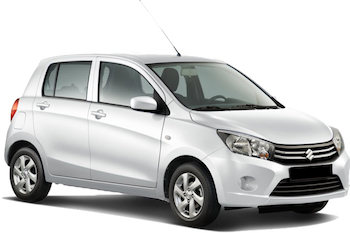
-
Carwiz rent a car From£ 14 /day -
Autorent Mauritius From£ 22 /day -
Avis From£ 30 /day
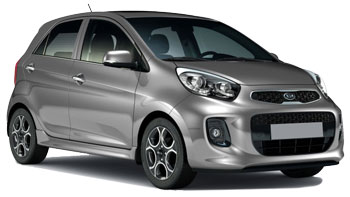
-
Autounion Car Rental From£ 17 /day -
SurPrice car rentals From£ 22 /day -
First Car From£ 30 /day
-
Autounion Car Rental From£ 20 /day -
First Car From£ 35 /day -
SurPrice car rentals From£ 37 /day
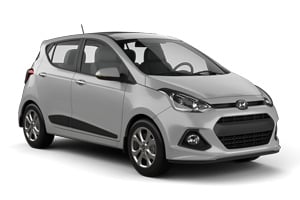
-
Autounion Car Rental From£ 20 /day -
First Car From£ 25 /day
-
Carwiz rent a car From£ 21 /day -
Autorent Mauritius From£ 25 /day -
Avis From£ 35 /day

-
SurPrice car rentals From£ 22 /day

-
Autounion Car Rental From£ 25 /day -
First Car From£ 29 /day
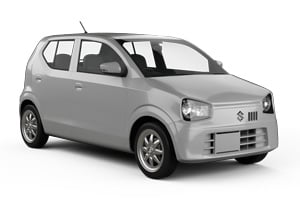
-
Autorent Mauritius From£ 22 /day -
First Car From£ 22 /day

-
Autorent Mauritius From£ 22 /day -
First Car From£ 23 /day -
Hertz From£ 33 /day
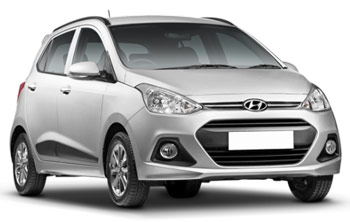
-
Autounion Car Rental From£ 17 /day -
SurPrice car rentals From£ 22 /day -
Avis From£ 33 /day
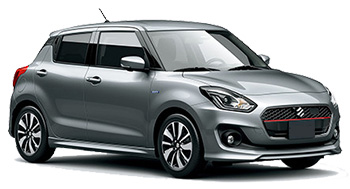
-
Carwiz rent a car From£ 19 /day -
SurPrice car rentals From£ 22 /day -
Autorent Mauritius From£ 23 /day
-
Autounion Car Rental From£ 20 /day -
Avis From£ 38 /day -
SurPrice car rentals From£ 43 /day

-
Autounion Car Rental From£ 19 /day -
Autorent Mauritius From£ 23 /day -
Green Motion From£ 31 /day
-
Autounion Car Rental From£ 21 /day -
Autorent Mauritius From£ 26 /day -
Green Motion From£ 36 /day
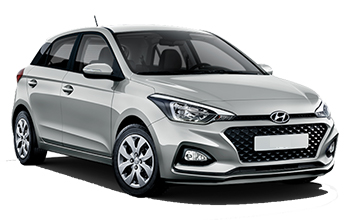
-
Autounion Car Rental From£ 22 /day -
SurPrice car rentals From£ 51 /day
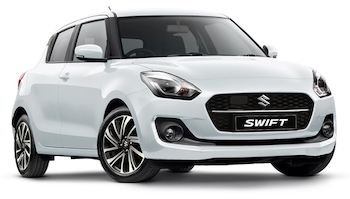
-
Carwiz rent a car From£ 26 /day -
Autorent Mauritius From£ 26 /day -
Autounion Car Rental From£ 30 /day

-
Autorent Mauritius From£ 23 /day
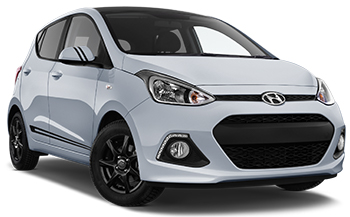
-
Autorent Mauritius From£ 23 /day
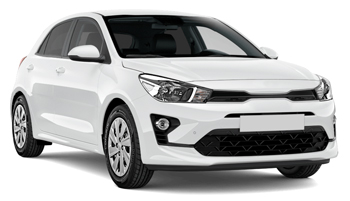
-
Autounion Car Rental From£ 21 /day

-
Carwiz rent a car From£ 25 /day
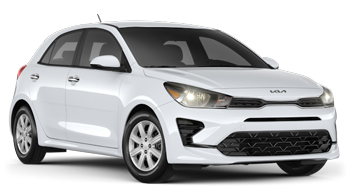
-
Autounion Car Rental From£ 25 /day
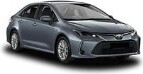
-
Autounion Car Rental From£ 28 /day
-
Autounion Car Rental From£ 29 /day
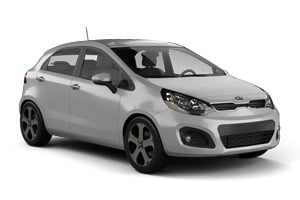
-
Autounion Car Rental From£ 28 /day

-
Autounion Car Rental From£ 28 /day

-
Carwiz rent a car From£ 31 /day
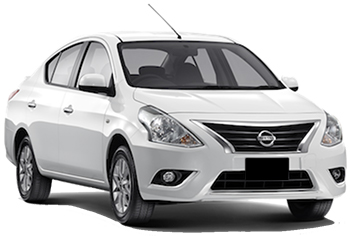
-
Autorent Mauritius From£ 30 /day -
Green Motion From£ 43 /day

-
Autounion Car Rental From£ 27 /day -
Carwiz rent a car From£ 50 /day
-
Autounion Car Rental From£ 28 /day -
Carwiz rent a car From£ 54 /day

-
Autounion Car Rental From£ 31 /day -
Green Motion From£ 55 /day
-
Autounion Car Rental From£ 33 /day

-
Autounion Car Rental From£ 38 /day
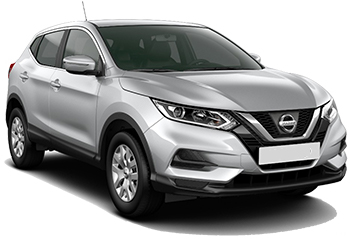
-
Autounion Car Rental From£ 40 /day -
Green Motion From£ 59 /day
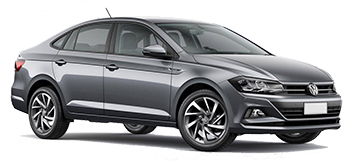
-
First Car From£ 41 /day
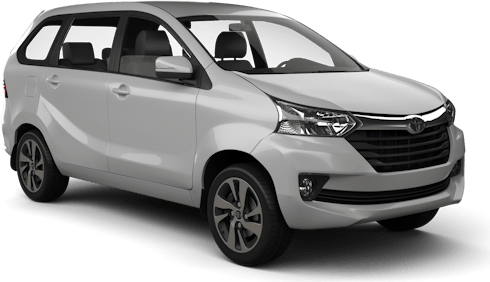
-
Autounion Car Rental From£ 41 /day
-
First Car From£ 45 /day
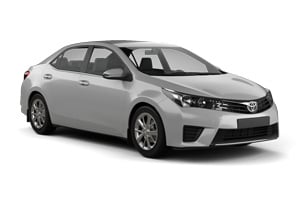
-
Autounion Car Rental From£ 34 /day
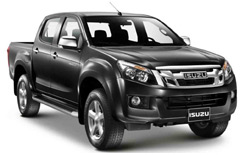
-
First Car From£ 38 /day
-
Autounion Car Rental From£ 39 /day
-
SurPrice car rentals From£ 41 /day
-
First Car From£ 42 /day
-
Autounion Car Rental From£ 43 /day
-
Autounion Car Rental From£ 48 /day
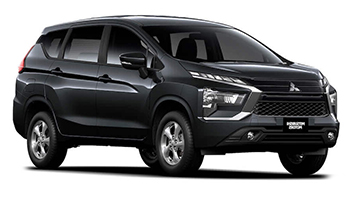
-
Europcar From£ 48 /day -
Autounion Car Rental From£ 63 /day
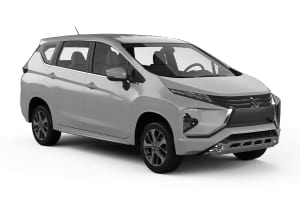
-
Europcar From£ 50 /day -
Autounion Car Rental From£ 67 /day
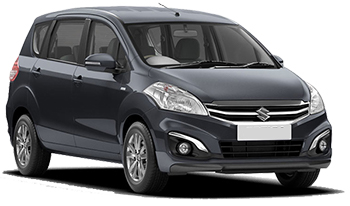
-
Hertz From£ 43 /day
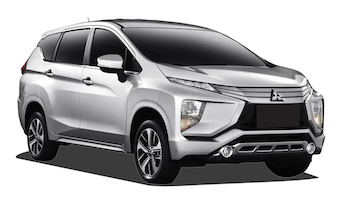
-
Europcar From£ 49 /day
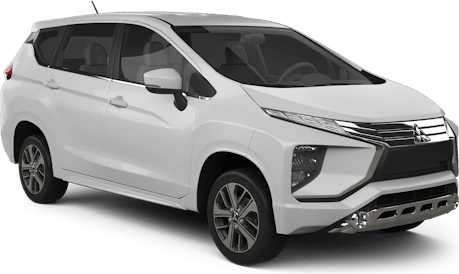
-
Europcar From£ 55 /day
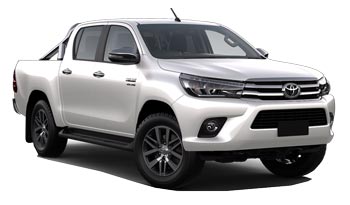
-
Avis From£ 52 /day -
Autorent Mauritius From£ 76 /day
-
Avis From£ 57 /day -
Autorent Mauritius From£ 80 /day
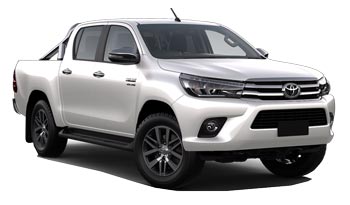
-
Autorent Mauritius From£ 79 /day
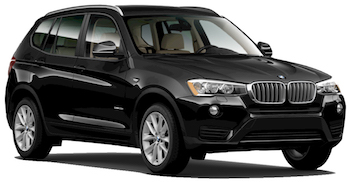
-
Europcar From£ 84 /day
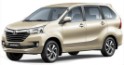
-
SurPrice car rentals From£ 79 /day
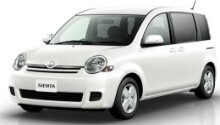
-
SurPrice car rentals From£ 79 /day
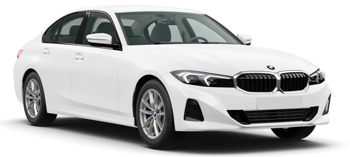
-
Europcar From£ 79 /day
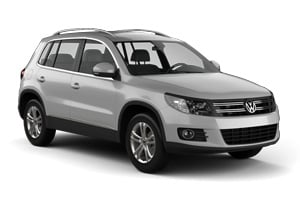
-
First Car From£ 79 /day
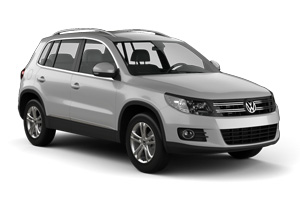
-
First Car From£ 82 /day
-
Europcar From£ 82 /day
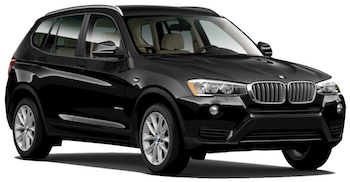
-
Europcar From£ 85 /day
-
Europcar From£ 91 /day
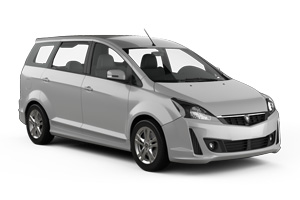
-
SurPrice car rentals From£ 99 /day
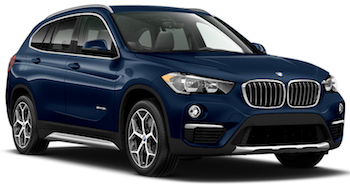
-
Sixt From£ 152 /day
-
Sixt From£ 155 /day
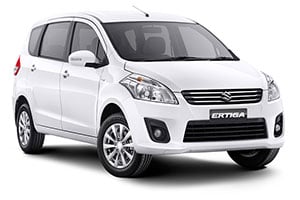
-
First Car From£ 44 /day
-
First Car From£ 48 /day
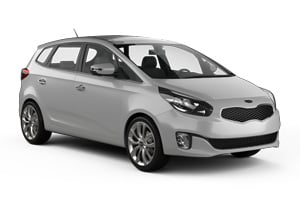
-
First Car From£ 52 /day
-
First Car From£ 57 /day
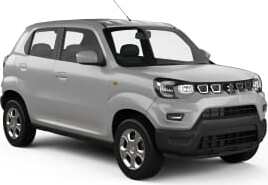
-
First Car From£ 26 /day
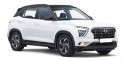
-
Autounion Car Rental From£ 28 /day -
First Car From£ 57 /day -
Sixt From£ 78 /day
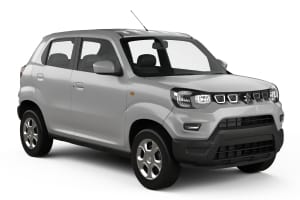
-
First Car From£ 31 /day
-
Autounion Car Rental From£ 31 /day -
Green Motion From£ 55 /day

-
Autounion Car Rental From£ 36 /day -
First Car From£ 56 /day
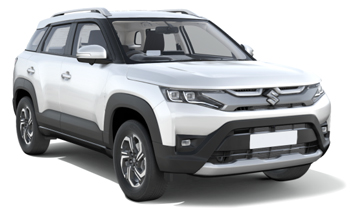
-
Carwiz rent a car From£ 36 /day -
Hertz From£ 41 /day -
Autorent Mauritius From£ 46 /day
-
Autounion Car Rental From£ 40 /day -
Green Motion From£ 76 /day
-
First Car From£ 40 /day

-
Carwiz rent a car From£ 42 /day -
Autorent Mauritius From£ 50 /day
-
Europcar From£ 80 /day

-
Europcar From£ 82 /day

-
First Car From£ 101 /day
-
First Car From£ 105 /day
Popular cities in Mauritius

When to book a rental car in Mauritius
Mauritius - When is the most affordable time to rent a mini class car?
At this destination (Mauritius), May is the most affordable time to rent a mini class car with an average daily rate of
Mauritius - When is the most affordable time to rent a economy class car?
At this destination (Mauritius), July is the most affordable time to rent a economy class car with an average daily rate of
Mauritius - When is the most affordable time to rent a compact class car?
At this destination (Mauritius), June is the most affordable time to rent a compact class car with an average daily rate of
Mauritius - When is the most affordable time to rent an intermediate class car?
At this destination (Mauritius), August is the most affordable time to rent a intermediate class car with an average daily rate of
Mauritius - When is the most affordable time to rent a standard class car?
At this destination (Mauritius), January is the most affordable time to rent a standard class car with an average daily rate of
Mauritius - When is the most affordable time to rent a full-size car?
At this destination (Mauritius), August is the most affordable time to rent a full-size class car with an average daily rate of
Mauritius - When is the most affordable time to rent a luxury car?
At this destination (Mauritius), August is the most affordable time to rent a luxury class car with an average daily rate of
Mauritius - When is the most affordable time to rent a station wagon?
At this destination (Mauritius), September is the most affordable time to rent a station wagon with an average daily rate of
Mauritius - When is the most affordable time to rent a SUV?
At this destination (Mauritius), August is the most affordable time to rent an SUV with an average daily rate of
Mauritius - When is the most affordable time to rent a MPV?
At this destination (Mauritius), March is the most affordable time to rent an mpv with an average daily rate of
Mauritius - When is the most affordable time to rent a sports car?
At this destination (Mauritius), September is the most affordable time to rent a sports car with an average daily rate of
Mauritius - When is the most affordable time to rent a sedan?
At this destination (Mauritius), March is the most affordable time to rent a sedan with an average daily rate of
Car rental locations in Mauritius
Carrentals.co.uk compares rental car prices at the following destinations
Mauritius Guide
Mauritius is best explored by rental car. Carrentals.co.uk has over 16 pick-up locations in Mauritius. This means there is always a pick-up location close to your destination.
Most popular car hire locations in Mauritius
Driving
The tropical island paradise of Mauritius lies in the Indian Ocean, to the east of Madagascar, and is famous for its laid-back lifestyle, friendly folk, glorious beaches and diverse marine life. Officially part of Africa, the island has a colourful multinational heritage that makes for a fascinating mix of cultures, and the sheer beauty of its countryside and coastline make for a perfect holiday.
Driving Tips for Mauritius
Self-drive is the best way to explore the beaches and lush, green interior of the island, and to get to grips with its eclectic mix of cultures. Indian, French, African and British influences colour the ethnic experience, and getting around is straightforward on the island’s narrow but well-kept roads.
Driving licences: all that’s required to hire a car if you’re visiting for less than a month is your UK driving licence. Longer stays require a temporary licence from the island’s traffic office.
Which side does Mauritius drive on: the left, as in the UK.
Speed limits:
Highways and dual carriageways, excluding urban areas: 56mph (90kph)
National or provincial roads: 50mph (80kph)
Local roads: 37mph (60kph)
Urban roads: 25mph (40kph)
Alcohol limits: 0.05 per cent (50mg/100ml), which is stricter than the UK limit of 0.08 per cent. Drink-driving laws are rigorously enforced, with random breath checks common. Drivers caught over the limit may be issued with a large fine.
Driving age: 16 to 18 years; 21 years to hire a car.
Seatbelts: are mandatory for all vehicle occupants, with on-the-spot fines levied for non-compliance.
Mobile phones and GPS: mobile phone usage while driving is illegal unless a hand-free device is fitted. The use of GPS devices is legal at present.
Cost of fuel in Mauritius: more costly than in the UK due to import and transportation costs.
Car hire and fuel payment: car hire companies accept payment by credit card, but petrol stations may not, with cash needing to be carried as a result.
Insurance: basic car insurance as part of car hire costs is comparatively inexpensive, although fully comprehensive insurance is recommended due to the risk of collisions.
Traffic and parking: outside the island’s main city, Port Louis, traffic and finding somewhere to park aren’t problems. However, rush hour traffic jams in the cities and congestion at all times in the narrow city centre roads is normal. City parking is by zone tickets purchased at petrol stations, with car parks the alternative. On-road city parking laws resemble those in the UK, with double yellow lines indicating a no-parking zone, restricted parking on single yellow lines and parking allowed indicated by no lines.
Transport
Taxis
Mauritius licensed and metered taxis are a practical way to get around the island, but visitors should avoid unlicensed cabs as there’s a risk of being robbed. Always ensure your driver uses the meter or you may get overcharged. Taxi drivers are known to tout for business as all-day tour guides of the island, and can be very persuasive. Air conditioning, night journeys and waiting time often incur an extra charge. Rates are around £1 per kilometre.
Buses
A network of buses crosses Mauritius, offering services from standard to express. Bus travel on the island is cheap and fun due to the gregarious locals and, while your journey times may not be fast, you’ll learn a lot about the island. Average journey time from St Louis to Curepipe or Grand Baie is one hour. Buses run every 15 minutes between 06:00 and 18:30, with late buses between St Louis and Curepipe stopping at 23:00. Services are provided by five regional bus companies and several smaller operators banded under the umbrella of the National Transport Authority. The three main providers are National Transport Company, Mauritius Bus Transport and United Bus Services, and most journeys cost between £0.80 and £1.60.
Ferries
A fun side trip here is the ferry from Port Louis harbour to the nearby islands of Reunion and Rodriguez. Two modern cargo/passenger ships, the Mauritius Pride and the Mauritius Trochetia, offer service. The overnight trip to Reunion takes around 12 hours.
Airports
Located 30 miles from St Louis, Sir Seewoosagir Rangoolam International Airport is Mauritius’s main point of arrival. Home to Air Mauritius, the facility supports direct flights to the UK’s London-Heathrow and London-Gatwick airports with British Airways and Air Mauritius, as well as flights to other European destinations. The airport’s new terminal offers banks, ATMs and currency exchange services, duty-free shops, eateries, car hire and other upgraded services. Mauritius is marketed as a luxury destination, with average air fares from the UK at around £800.
Explore
Exploring Mauritius
A holiday on tropical Mauritius offers a wide variety of things to do and places to see, with the natural beauty of the island and its superb beaches at the top of the list. One of the loveliest beaches is found on the offshore Ile aux Cerfs, a water sports paradise with its beaches set along extended sandbanks. Catamarans and yachts bring visitors to its unspoilt beauty from the little harbour at Trou d’Eau Douce village on Mauritius’s east coast.
The pretty harbour village of Albion lies on the road between St Louis and the popular visitor destination of the Black River Gorges, and is a great place to stop off for a swim. The white-sand public beach is tiny and the water is azure blue and warm. Heading further to the southwest, you’ll find the beautiful Chamarel Waterfalls with their seven colours of earth, the sacred lake at Grand Bassin and the Trou aux Cerfs extinct volcano with its three peaks.
A visit to the 18th century sugar mill and plantation at Domaine les Pailles gives a glimpse into the history of the island, which was once famous for its sugar and rum. The plantation still distills rum and maintains a spice garden that cultivates all the island’s spices. Transport around the plantation is by vintage train or horse and cart, and there’s a first-class restaurant serving delicious lunches.
The waters off the west coast of Mauritius are home to whales and dolphins, with boat trips from the Black River estuary a favourite with visitors. It’s possible to swim with the dolphins, and snorkelling gives an unforgettable undersea view of these gentle mammals and their young. The pods here generally number around 20-30 dolphins, and whales are also seen, although less frequently.
Our Travel Editor’s Recommended Drives
Port Louis to Le Morne Peninsula – this drive begins at Port Louis and heads to the peninsula along the west coast. Le Morne has a plethora of lovely beaches and lagoons, and is a favorite with kite-surfers and surfers.
Port Louis to Grand Baie – the island’s only highway brings visitors to Grand Baie, a resort town in northeastern Mauritius. Although it’s busy in the high season, the beaches are breathtaking.
Port Louis to Blue Bay – this drive takes you right across the island’s scenic interior to Blue Bay Beach in its southeastern quadrant. This beach is popular with sailing and windsurfing buffs.
Le Morne to Bel Ombre – is a slow drive along the southern coast, past quaint villages, tiny bays and beaches, and ending within easy access of the spectacular Black River Gorges.
Holidays and Festivals
New Year’s Day (1 January)
Abolition of Slavery Day (1 February)
Thaipoosam Cavadee (20 February)
National Day (12 March)
Easter (March/April)
Ougadi (4 April)
Ganesh Chaturthi (2 September)
Diwali (36 October)
Christmas Day (25 December)
Weather
Mauritius’s climate is typically tropical, with the southeasterly trade winds moderating the humidity. Summer is December through April, and the cooler, drier winter runs from May to November. January and February are peak cyclone months and best avoided, and average temperatures across the year range between 22°C and 28°C.
Practical Stuff
Mauritius Travel Tips
Mauritius has been an unspoilt tropical hub for upscale European travellers for many years, with its luxury tourism infrastructure well-established as a result. However, visitors with less cash to splash can still have a memorable holiday here as there’s plenty of affordable, comfortable accommodation and restaurants serving delicious food at less-than extravagant prices.
Mauritius contact numbers
Country code - (+230)
Ambulance - 999
Emergency services – 114 (Police 112)
UK High Commission – +230 202 9400
US Embassy – +230 202 4400
EU Delegation – +230 207 1515
Australian Embassy – +230 208 1700
Money matters
The official currency is the Mauritian rupee, which is not normally convertible and usually unavailable outside the country. Currency can be exchanged at the airport on arrival and at banks, money exchange outlets and hotel front desks. Major credit cards are accepted at many outlets in the tourist areas and hotels, but cash should be carried for small purchases and trips away from the visitor centres.
Health and safety
No specific inoculations are required for a visit, although routine jabs should be updated where necessary. Those travelling from an area where yellow fever is endemic will need a medical certificate stating they are free of the disease. Sunburn and heat stroke are risks, especially during the summer, with sun cream and drinking quantities of water the best defences. Bottled water is advised, particularly in rural areas.
Fitting in…
Mauritians are some of the most friendly, welcoming people on earth, and most take their particular religion seriously, whether it’s Christianity, Islam or the Hindu faith. Visitors should take note of the correct dress code when visiting religious sites, with conservative dress the respectful option. Visitors may be asked to remove any leather shoes or clothes when visiting Hindu temples.
Visas for Mauritius
Travellers from EU member countries as well as those from the US, Canada and Australia may enter Mauritius visa-free for a stay of up to three months on production of a passport which is valid for more than six months and a return air ticket. Citizens of other countries are advised to check online or at their nearest Mauritian consulate or embassy for exact requirements.
Electricity
Electricity here comes as 220-240V/50Hz, as in the UK, and sockets take the standard British three-pin plug. Visitors from the US will need a step-down transformer for their electronic appliances unless they are configured for dual voltage, and most visitors will need a plug adaptor.
Business hours
Businesses: 09:30 to 17:30, Monday to Friday
Government offices: 09:30 to 17:30 or 17:00, Monday to Friday
Shops: 09:30 to 19:30, Monday to Saturday, with tourism area shops also open Sunday
Banks: 09:15 to 15:00, Monday to Friday, with some in tourism areas open Saturday mornings
Helpful phrases
Most Mauritians are either bi- or tri-lingual, with English, French and Creole spoken all over the island. Visitors will have no problems getting around Mauritius using the English language.
Practical information
-
CurrencyMauritian rupee
-
Driving directionLeft
-
City speed limit90 km/h
-
Freeway speed limit90 km/h
-
LanguageEnglish
-
Popular car categoryMini
What most people want to know
The following questions and answers are a selection of the most popular questions. If you do not find the answer to your question, have a look at the Frequently Asked Questions page or contact us.
- Europcar
- Autounion Car Rental
- Autorent Mauritius
- Carwiz rent a car
- Exer Rent A Car
- Sixt
- Island Car Rentals
- Hertz
- Green Motion
- First Car
- wheego
- Optimo Rent
- OtoQ
- Right Cars
- Nextcar
- Cargini
- Routes
- Street Rent a Car
- Abbycar
- Avis
- SurPrice car rentals
- NÜ Car Rentals
- Budget