
- Over 1 million successful rentals
Car Hire Jamaica
Save time and money. We compare the offers of car rental companies in Jamaica on your behalf.
- Free cancellation Up to 48 hours prior to the scheduled pick up time
- Best price guarantee Have you found a better price? Let us know and we will make you a better offer.
- Already 500,000+ bookings More than half a million people preceded you 24000+ pick-up locations Locations around the world
- 24000+ pick-up locations Locations around the world
Compare Car Hire
Carrentals.co.uk offers simple and straightforward car hire comparison services. We don't add a penny to your quotes!
Car rental offers in Jamaica
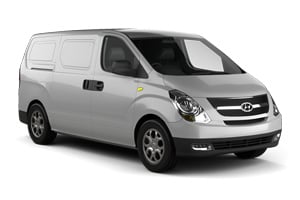
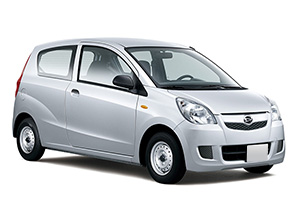
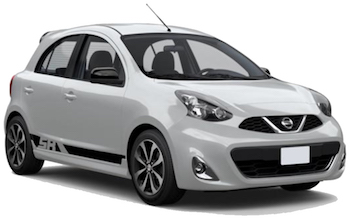
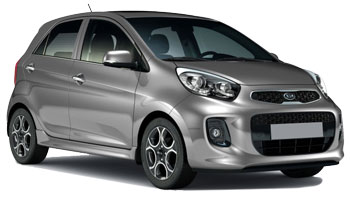
Whether you're looking for a small rental car or a station wagon for the entire family, we will always have a suitable vehicle for the lowest price. Below are some examples from our selection in Jamaica.
-
Island Car Rentals From£ 83 /day
-
Island Car Rentals From£ 102 /day
-
Autounion Car Rental From£ 31 /day
-
Autounion Car Rental From£ 32 /day
-
Autounion Car Rental From£ 37 /day
-
Alamo From£ 32 /day
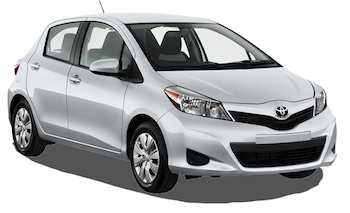
-
Autounion Car Rental From£ 32 /day -
Sixt From£ 43 /day
-
Autounion Car Rental From£ 37 /day
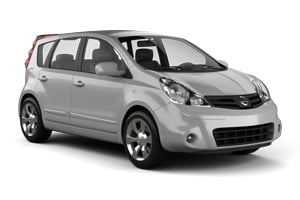
-
Autounion Car Rental From£ 32 /day
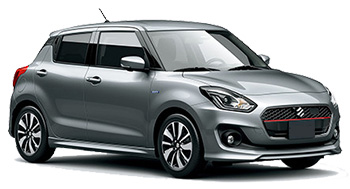
-
Island Car Rentals From£ 35 /day -
Avis From£ 50 /day -
Budget From£ 68 /day
-
Autounion Car Rental From£ 38 /day -
Sixt From£ 49 /day
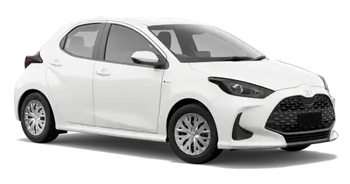
-
Autounion Car Rental From£ 34 /day -
Avis From£ 38 /day -
Island Car Rentals From£ 41 /day
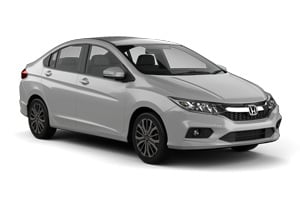
-
Alamo From£ 35 /day -
National Car Rental From£ 47 /day
-
Autounion Car Rental From£ 39 /day -
Island Car Rentals From£ 46 /day -
Avis From£ 59 /day
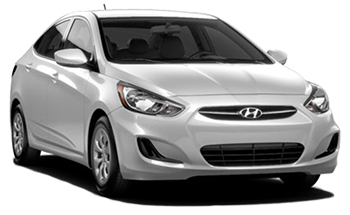
-
Sixt From£ 42 /day
-
Sixt From£ 48 /day
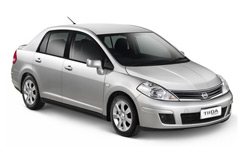
-
Island Car Rentals From£ 46 /day
-
Island Car Rentals From£ 50 /day
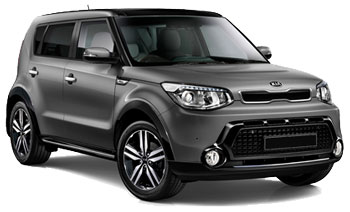
-
Alamo From£ 49 /day
-
National Car Rental From£ 52 /day
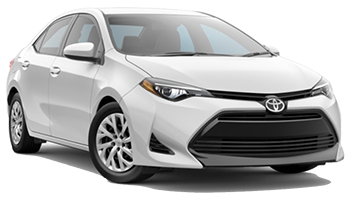
-
Autounion Car Rental From£ 34 /day -
Avis From£ 41 /day -
Island Car Rentals From£ 50 /day
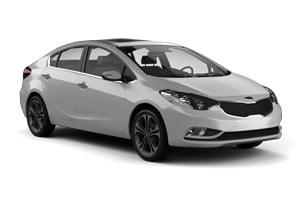
-
Alamo From£ 37 /day
-
Autounion Car Rental From£ 39 /day -
Sixt From£ 55 /day -
Island Car Rentals From£ 56 /day
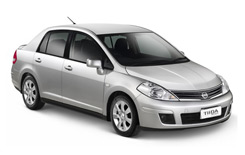
-
Island Car Rentals From£ 44 /day
-
Island Car Rentals From£ 55 /day
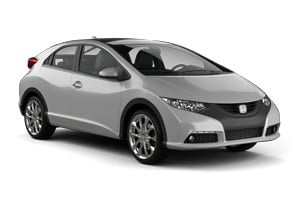
-
Alamo From£ 46 /day -
National Car Rental From£ 55 /day
-
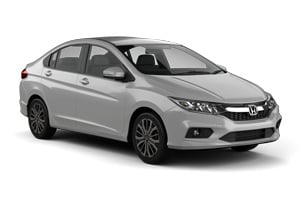
National Car Rental From£ 60 /day
-
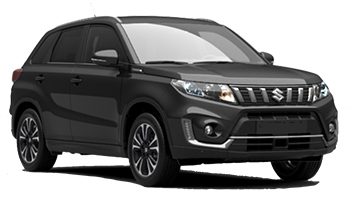
Alamo From£ 57 /day
-
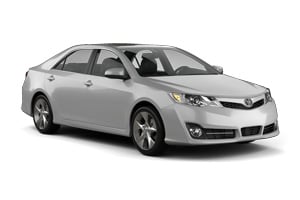
Avis From£ 59 /day
-
Autounion Car Rental From£ 41 /day -
Island Car Rentals From£ 67 /day
-
Autounion Car Rental From£ 46 /day -
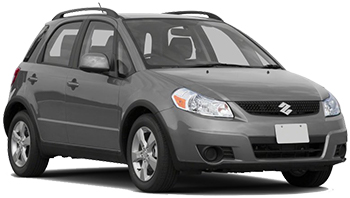
Island Car Rentals From£ 71 /day
-
Budget From£ 62 /day
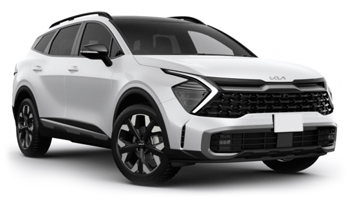
-
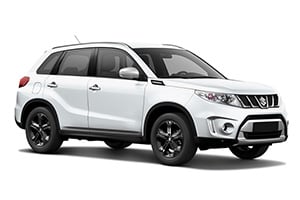
Alamo From£ 63 /day
-
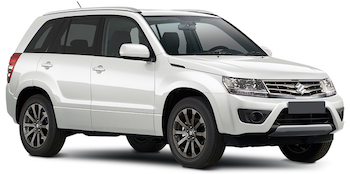
Island Car Rentals From£ 76 /day
-
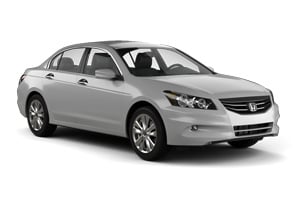
Island Car Rentals From£ 68 /day
-
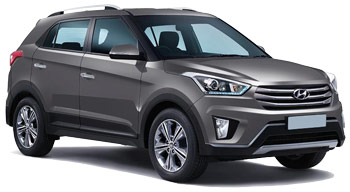
Alamo From£ 68 /day
-
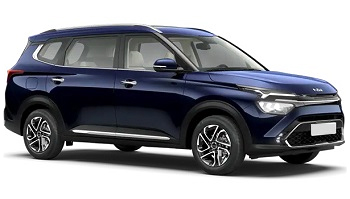
Sixt From£ 79 /day
-
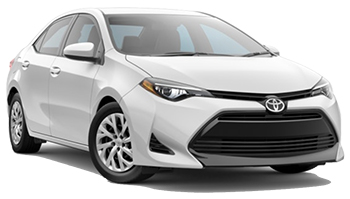
Alamo From£ 69 /day
-
Sixt From£ 51 /day
-
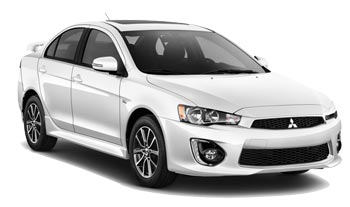
Sixt From£ 56 /day
-
Budget From£ 73 /day
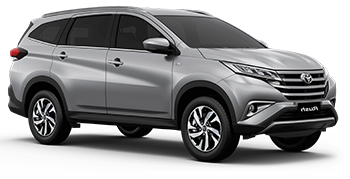
-
Sixt From£ 88 /day
-
Sixt From£ 94 /day
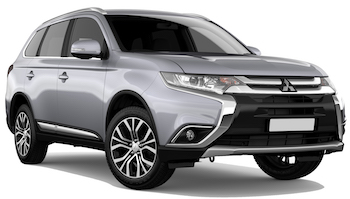
-
Island Car Rentals From£ 93 /day
-
Budget From£ 100 /day
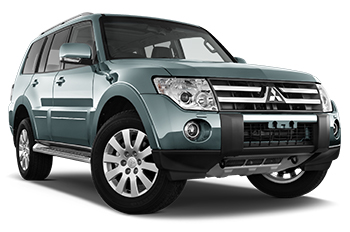
-
Island Car Rentals From£ 97 /day -
Budget From£ 151 /day
-
Island Car Rentals From£ 112 /day
-
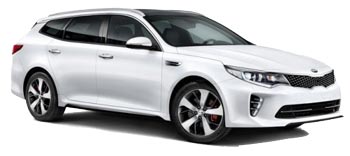
Autounion Car Rental From£ 73 /day
-
Alamo From£ 75 /day
-
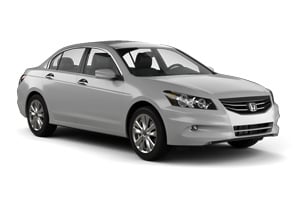
Alamo From£ 79 /day
-
Island Car Rentals From£ 78 /day -
Alamo From£ 82 /day
-
Island Car Rentals From£ 79 /day -
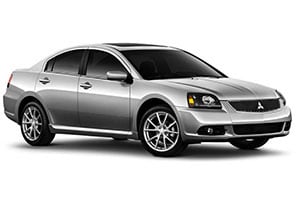
Alamo From£ 88 /day
-
Budget From£ 83 /day
-
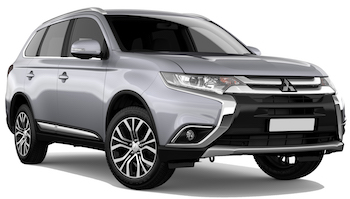
Autounion Car Rental From£ 84 /day
-
Island Car Rentals From£ 96 /day
-
Island Car Rentals From£ 100 /day
-
Autounion Car Rental From£ 73 /day
-
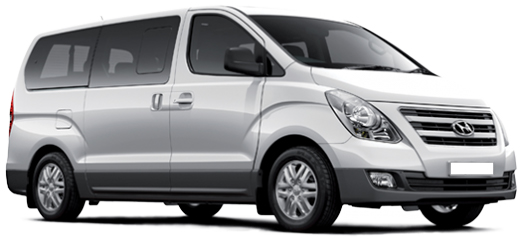
Island Car Rentals From£ 83 /day
-
Autounion Car Rental From£ 84 /day
-
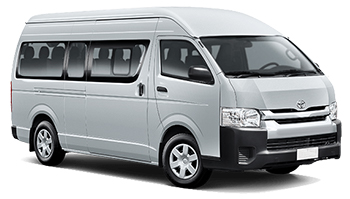
Island Car Rentals From£ 88 /day
-
Island Car Rentals From£ 91 /day
-
Island Car Rentals From£ 93 /day
-
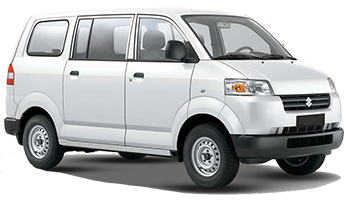
Budget From£ 233 /day
-
Budget From£ 236 /day
-
Budget From£ 246 /day
-
Avis From£ 59 /day -
Budget From£ 101 /day
-
Island Car Rentals From£ 68 /day
-
Island Car Rentals From£ 76 /day
-
Alamo From£ 69 /day
-
Island Car Rentals From£ 72 /day
-
Sixt From£ 79 /day
-
Sixt From£ 73 /day
-
Alamo From£ 76 /day -
National Car Rental From£ 80 /day
-
Island Car Rentals From£ 79 /day
When to book a rental car in Jamaica
Jamaica - When is the most affordable time to rent a mini class car?
At this destination (Jamaica), November is the most affordable time to rent a mini class car with an average daily rate of
Jamaica - When is the most affordable time to rent a economy class car?
At this destination (Jamaica), February is the most affordable time to rent a economy class car with an average daily rate of
Jamaica - When is the most affordable time to rent a compact class car?
At this destination (Jamaica), February is the most affordable time to rent a compact class car with an average daily rate of
Jamaica - When is the most affordable time to rent an intermediate class car?
At this destination (Jamaica), February is the most affordable time to rent a intermediate class car with an average daily rate of
Jamaica - When is the most affordable time to rent a standard class car?
At this destination (Jamaica), January is the most affordable time to rent a standard class car with an average daily rate of
Jamaica - When is the most affordable time to rent a full-size car?
At this destination (Jamaica), October is the most affordable time to rent a full-size class car with an average daily rate of
Jamaica - When is the most affordable time to rent a luxury car?
At this destination (Jamaica), November is the most affordable time to rent a luxury class car with an average daily rate of
Jamaica - When is the most affordable time to rent a station wagon?
At this destination (Jamaica), June is the most affordable time to rent a station wagon with an average daily rate of
Jamaica - When is the most affordable time to rent a SUV?
At this destination (Jamaica), February is the most affordable time to rent an SUV with an average daily rate of
Jamaica - When is the most affordable time to rent a MPV?
At this destination (Jamaica), October is the most affordable time to rent an mpv with an average daily rate of
Jamaica - When is the most affordable time to rent a minivan?
At this destination (Jamaica), January is the most affordable time to rent a minibus with an average daily rate of
Car rental locations in Jamaica
Carrentals.co.uk compares rental car prices at the following destinations
Jamaica Guide
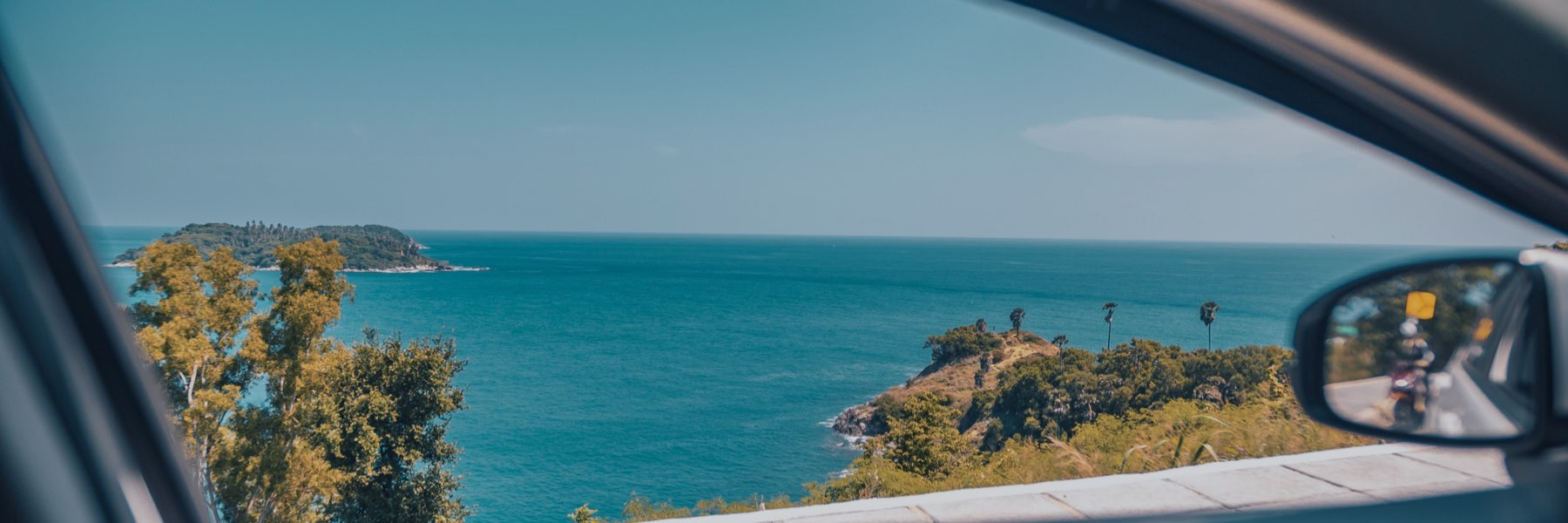
Jamaica is best explored by rental car. Carrentals.co.uk has over 3 pick-up locations in Jamaica. This means there is always a pick-up location close to your destination.
Most popular car hire locations in Jamaica
Driving
Boasting a laid-back island vibe and some of the most pristine beaches in the world, this Caribbean island features lush jungle and mountains, some of which grows the famed Blue Mountain coffee. By car, the coastal resort towns of Negril and Montego Bay are great spots to experience the Caribbean's charms, while Ocho Rios is bursting with resorts.
Driving Tips for Jamaica
While the road network is good and connects most of the major cities on the island, a good vehicle is recommended as Jamaican roads are poorly maintained, poorly lit at night and lacking in signage. The local drivers are not strict observers of traffic regulations. Rural roads can be narrow and quality deteriorates during the rainy season. Caution is required while driving as accidents are common.
Driving licences: a full UK licence is valid in Jamaica for up to six months.
Which side does Jamaica drive on: the left.
Speed limits:
Highways and dual carriageways: 68mph (110kph)
Local roads: 50mph (80kph)
Urban roads: 31mph (50kph)
Alcohol limits: 0.08 per cent, which is the same as the UK limit. Sanctions for convicted violators can include a prison term of up to six months.
Driving age: 18 years.
Seatbelts: must be worn by all passengers, at all times. Child passengers under three years need to be seated in an appropriate child seat.
Mobile phones and GPS: there is no law prohibiting the use of a mobile phone while driving. However, it is best avoided for general safety. GPS units, which can be rented from car hire companies, are recommended due to the lack of street signs.
Cost of fuel in Jamaica: more expensive than in the UK due to the fact it is imported.
Car hire and fuel payment: car hire companies accept credit card payments but most petrol stations only accept cash.
Insurance: full insurance coverage is recommended as road accidents are common. Travellers are advised to check the small print of their insurance and to take out excess for damages which may not be covered.
Traffic and parking: traffic can be bad in the big cities, especially during rush hour. Parking is possible on the streets. However, this can be problematic as many locals double or even triple park. Designated parking areas are the way to go.
Transport
Trains
The Jamaican railway system was the first to open to passengers outside of Europe and North America. Unfortunately, public passenger services shut down in 1992. However, in an effort to decongest road traffic, the government reintroduced services from Spanish Towns to Charlemont via Linstead in 2011 but travellers are advised to check the frequency of services locally as they are subject to closure.
Taxis
Taxis in Jamaica can be hailed on the street or ordered by phone. Many taxis have meters but fares for most routes are fixed by the Transport Authority. Public passenger vehicle taxis with red plates have fixed rates. Most major hotels and resorts have their own fleet assigned by the Jamaica Tourism Board. A cab ride from Norman Manley International Airport in Kingston to the city centre costs about £17. Visitors may also want to go local and take route taxis, the preferred transport of locals. They function as buses and while they may not be particularly comfortable or reliable, fares are cheap at only £1.25 to £1.90 per 30 miles (50kms).
Buses
Intercity bus travel in Jamaica can be done by coach, minibus or coaster. Most of the major towns and villages are reached by these bus types. One of the main operators is the Jamaican Union of Travellers Association (JUTA), which runs a whole fleet of taxis and buses. JUTA vehicles primarily cater to tourists. Within the cities and towns, local buses are available. However, they do not have air-conditioning, are usually packed and do not follow specific timetables. Fares for these buses are cheap at around £0.60 per 30 miles (50kms).
Ferries
Jamaica is a popular port of call for many cruise liners in the Caribbean. Ships usually call at the resort towns of Ocho Rios and Montego Bay. However, the largest port on the island is Kingston Port. From here ferries run to only a few destinations on the island and most are not recommended for tourists. Local boat owners tend to overcharge visitors. Boat travel along the coast is only a good and effective option of getting around when the boat is hired through a hotel, resort or travel agency.
Airports
The primary airport in Jamaica is Norman Manley International Airport. Over 130 flights a week depart from its runways to destinations abroad. It is connected to regional destinations in the Caribbean and major flight hubs in North America, such as Toronto, New York-JFK and Orlando. British Airways flies from London-Gatwick. A London to Jamaica return flight can cost anywhere from £600 to £800. Air Jamaica offers several domestic services to Kingston, Montego Bay and Ocho Rios. A Kingston to Montego Bay flight costs around £40 while a Montego Bay to Ocho Rios around £35.
Explore
Exploring Jamaica
The beach, the sea and the mountains are some of the natural landscapes visitors will encounter in Jamaica. However, it may be best to begin exploring the country in the cities and towns because this is where Jamaican island life can truly be experienced.
Kingston's chaotic streets, markets and harbour-front are worth seeing, as well as the former residence of the man that put Jamaica and reggae music onto the pop culture map—Bob Marley.
Spending a week or two in Jamaica's premier resort destinations of Montego Bay and Negril is naturally part of any visitor's itinerary. Here, visitors can sunbathe on sandy beaches, swim in pristine waters and snorkel among rich coral reefs.
In Ocho Rios, dolphin watching and dolphin encounters are popular tourist activities. Not to be missed is the famous attraction that is the Dunn's River Falls. The falls, which measure 180 feet high and stretch to 600 feet, cascade onto many terraces and lagoons.
Hiking around the 7,000-foot high Blue Mountains is a good way to explore the lush jungles of this Caribbean island. The mountains form the longest mountain range in Jamaica and are where the Jamaican coffee of the same name is cultivated.
Our Travel Editor's Recommended Drives
Montego Bay – stretching along the north coast is highway A1. This route is arguably the best drive in the country, and for good reason. Expect the finest views of the Jamaican coastline and the brilliant waters of the Caribbean.
Southern-to-Eastern coast – running along the southern coast and stretching north along the eastern coast is highway A4. This scenic drive starts in Kingston and explores Jamaica's eastern regions, passing through beautiful bays and resorts.
Inland Jamaica – the drive from Savanna la Mar on the southern coast all the way to Lucea on the north coast is a popular route. Following highway B9, visitors will pass through rural Jamaica and beautiful Georges Plain.
Blue Mountains – from Kingston, the south to north route along highway B1 passes through the winding roads of the Blue Mountains National Park, which protects the longest mountain range on the island. Visitors will see pristine nature and farms where Jamaican coffee is cultivated.
Holidays and Festivals
New Year's Day (1 January)
Ash Wednesday (22 February)
Good Friday (6 April)
Easter Monday (9 April)
Independence Day (6 August)
Labour Day (23 May)
Emancipation Day (1 August)
National Heroes Day (18 October)
Christmas Day (25 December)
Boxing Day (26 December)
Weather
The weather in Jamaica is largely tropical, with the island experiencing hot and humid weather for most of the year. Inland in the highland regions, however, the climate tends to lean on the temperate side. The island is on the hurricane belt of the Atlantic. Storms and rains hit the island between May and October. Temperatures remain pretty much constant throughout the year, averaging 25 to 30°C along the coast. Temperature averages are 8 to 10°C lower in the highlands.
Practical Stuff
Jamaica Travel Tips
Jamaica's laid-back island vibe and generally pleasant and easy-going people make any holidaymaker's experience here an easy and relaxing one. However, incidents involving anything from tourist scams to violent crime do happen so visitors are advised to take precautions and use common sense.
Jamaica contact numbers
Country code - (+1 876)
British High Commission, Kingston – +1 876 936 0700
Police – 119
Emergency services – 110
Money matters
The official currency used in Jamaica is the Jamaican dollar (JMD, J$). Officially, prices for services and goods can only be quoted in Jamaican dollars. However, due to the popularity of Jamaica with North American travellers, the US dollar is widely used. MasterCard, Visa and other major credit cards are accepted. ATMs are available but not recommended for use outside of business hours. Airports, ports and banks all readily exchange foreign currency.
Health and safety
Special precaution needs to be taken against hepatitis A and tetanus. One common problem faced by tourists in Jamaica is diarrhoea, caused by food prepared in unsanitary conditions or water that is unsafe for drinking. Visitors are advised to be careful where and what they eat. Petty crime can be a problem, especially at night.
Fitting in…
The laid-back island vibe tends to slow things down so patience is a virtue here. Jamaican culture is male-oriented, so women travellers may get unwanted attention and unsolicited remarks. Gay travellers should be aware that discrimination against homosexuals is institutionalised in Jamaica and relations between men are punishable by law.
Visas for Jamaica
A passport, proof of sufficient funds and a return ticket are required for US and British citizens travelling to Jamaica. Nationals of EU countries can also travel to the Caribbean island visa-free upon presentation of the same documents. However, length of stay varies depending on the EU country. Visas obtained at the port of entry cost £12.
Electricity
The voltage of most Jamaican outlets is 110V, same as in the US. However, unlike current in the US, which run at 60 cycles, current here runs at 50 cycles. Appliances with dual voltage should function normally. Outlets accept plugs with two flat prongs, so devices with a different plug will need an adaptor.
Business hours
Government offices: 08:30 to 17:00, Monday to Thursday, 08:30 to 16:00, Friday
Shops: 08:30 to 16:30, Monday to Friday, 08:00 to 13:00, Saturday
Banks: 09:00 to 14:00, Monday to Thursday, 09:00 to 16:00, Friday
Helpful phrases
English is widely spoken, as the local Creole is based on English. However, Jamaican English has its own distinct accent and vocabulary. Below are good words to know:
Wha'appen? - What's up?
Seen - Yes, I understand/it's okay
Nuff - Plenty
Bashment - Excitement/party
Rhaatid - Wow
Walk good - Good bye, take care, safe travels
Practical information
-
CurrencyJamaican dollar
-
Driving directionLeft
-
City speed limit48 km/h
-
Freeway speed limit80 km/h
-
LanguageEnglish
-
Popular car categoryEconomy
What most people want to know
The following questions and answers are a selection of the most popular questions. If you do not find the answer to your question, have a look at the Frequently Asked Questions page or contact us.
- U-Save Auto Rental
- Alamo
- Island Car Rentals
- Avis
- Autounion Car Rental
- Budget
- Nextcar
- ACE Rent A Car
- Abbycar
- Carwiz rent a car
- Mex Rent a Car
- NÜ Car Rentals
- addCarRental
- Enterprise
- Sixt
- Hertz
- National Car Rental
- Europcar