
- Over 1 million successful rentals
Car Hire Germany
Save time and money. We compare the offers of car rental companies in Germany on your behalf.
- Free cancellation Up to 48 hours prior to the scheduled pick up time
- Best price guarantee Have you found a better price? Let us know and we will make you a better offer.
- Already 500,000+ bookings More than half a million people preceded you 24000+ pick-up locations Locations around the world
- 24000+ pick-up locations Locations around the world
Compare Car Hire
Carrentals.co.uk offers simple and straightforward car hire comparison services. We don't add a penny to your quotes!
Car rental offers in Germany
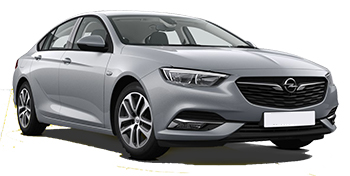
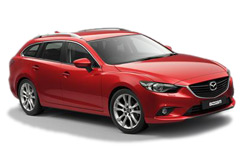
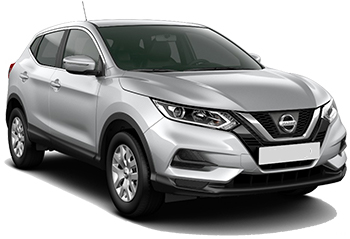
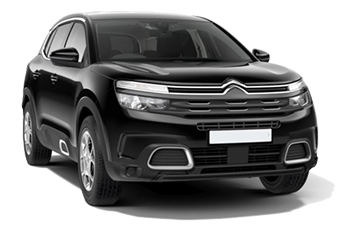
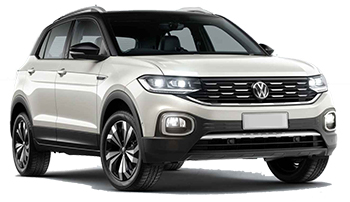
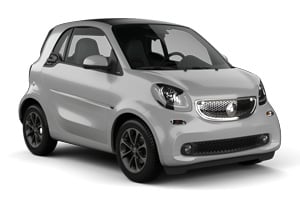
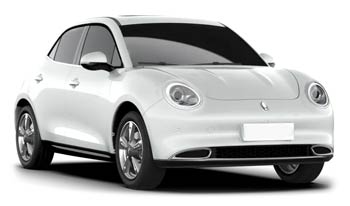
Whether you're looking for a small rental car or a station wagon for the entire family, we will always have a suitable vehicle for the lowest price. Below are some examples from our selection in Germany.
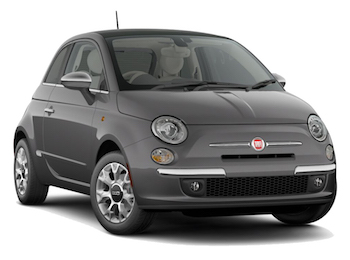
-
OK Mobility From£ 8 /day -
wheego From£ 12 /day -
Keddy By Europcar From£ 18 /day
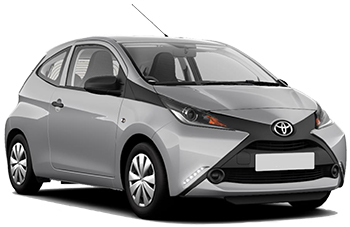
-
OK Mobility From£ 11 /day -
Enterprise From£ 14 /day -
Alamo From£ 15 /day
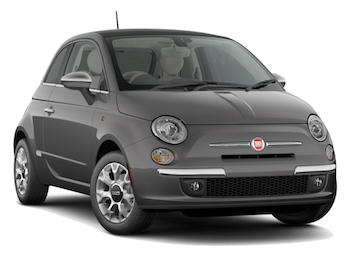
-
wheego From£ 16 /day -
Buchbinder From£ 21 /day -
Avis From£ 23 /day
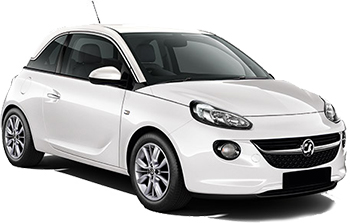
-
Dollar Rent a Car From£ 12 /day -
Thrifty From£ 14 /day -
Hertz From£ 19 /day
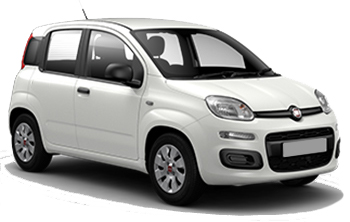
-
wheego From£ 13 /day
-
wheego From£ 17 /day
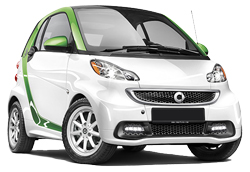
-
Europcar From£ 16 /day
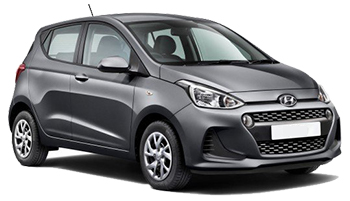
-
Thrifty From£ 16 /day -
Keddy By Europcar From£ 16 /day -
Dollar Rent a Car From£ 19 /day
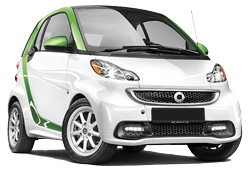
-
Buchbinder From£ 20 /day -
Europcar From£ 28 /day -
Keddy By Europcar From£ 29 /day

-
OK Mobility From£ 8 /day -
Keddy By Europcar From£ 17 /day -
Sixt From£ 21 /day
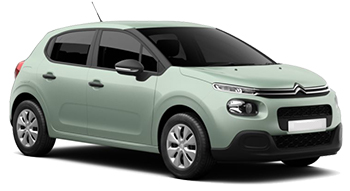
-
OK Mobility From£ 12 /day
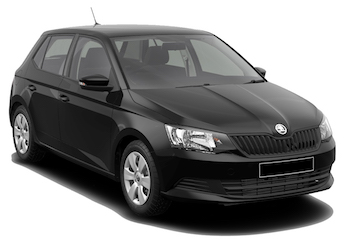
-
wheego From£ 17 /day
-
wheego From£ 13 /day
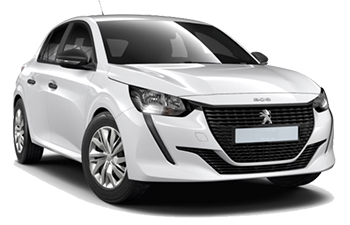
-
OK Mobility From£ 13 /day -
Sixt From£ 24 /day -
Flizzr From£ 25 /day
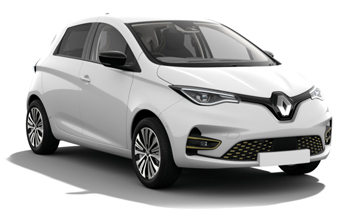
-
Buchbinder From£ 22 /day -
Keddy By Europcar From£ 29 /day -
Europcar From£ 29 /day
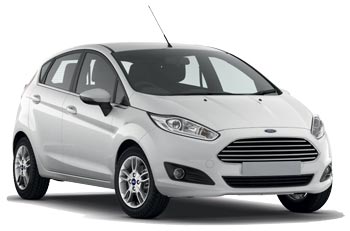
-
Dollar Rent a Car From£ 14 /day -
Thrifty From£ 15 /day -
Hertz From£ 18 /day
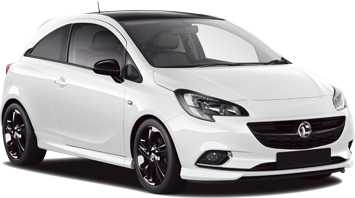
-
Enterprise From£ 15 /day -
Alamo From£ 16 /day -
National Car Rental From£ 20 /day
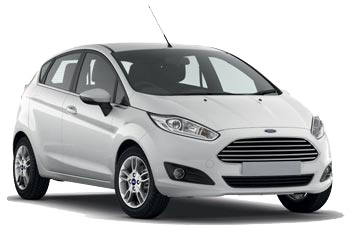
-
Thrifty From£ 23 /day -
Hertz From£ 25 /day
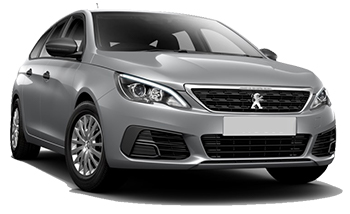
-
OK Mobility From£ 11 /day -
Keddy By Europcar From£ 21 /day -
Buchbinder From£ 24 /day
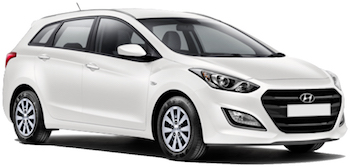
-
wheego From£ 13 /day -
Europcar From£ 24 /day -
Sixt From£ 33 /day
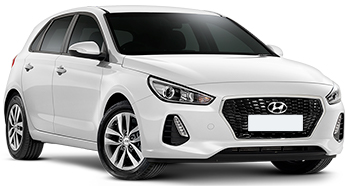
-
wheego From£ 19 /day -
Europcar From£ 55 /day
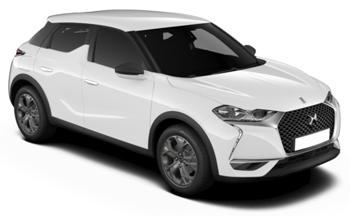
-
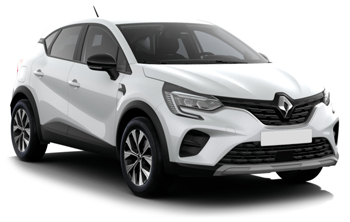
OK Mobility From£ 14 /day -
Hertz From£ 23 /day
-
OK Mobility From£ 14 /day -
Buchbinder From£ 23 /day -
Budget From£ 25 /day
-
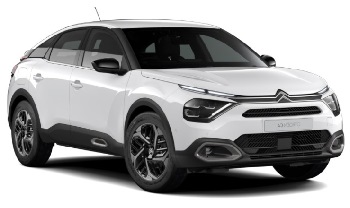
wheego From£ 22 /day -
Europcar From£ 45 /day
-
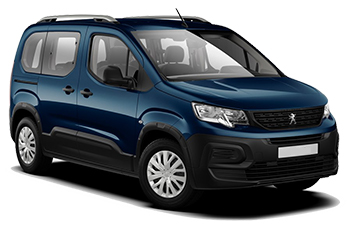
OK Mobility From£ 15 /day
-
OK Mobility From£ 16 /day
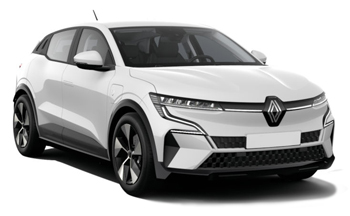
-
Buchbinder From£ 24 /day -
Keddy By Europcar From£ 31 /day -
Europcar From£ 33 /day
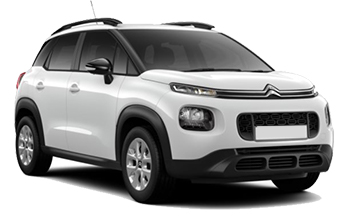
-
OK Mobility From£ 14 /day
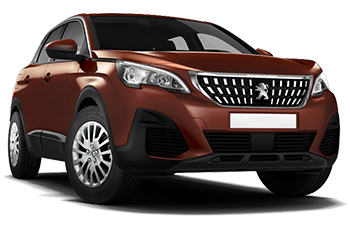
-
OK Mobility From£ 18 /day
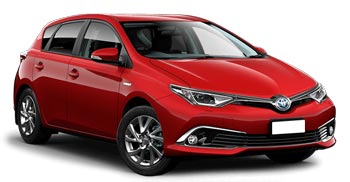
-
wheego From£ 26 /day
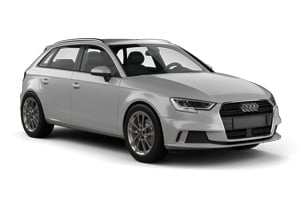
-
Keddy By Europcar From£ 22 /day -
Europcar From£ 30 /day -
Sixt From£ 30 /day
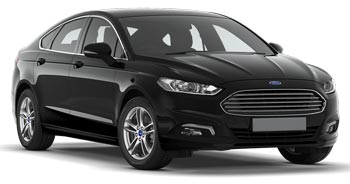
-
Thrifty From£ 22 /day -
Dollar Rent a Car From£ 23 /day -
Hertz From£ 28 /day
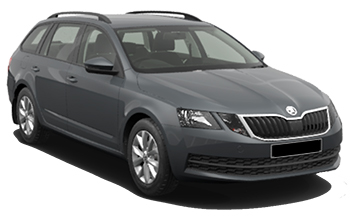
-
wheego From£ 28 /day -
Buchbinder From£ 36 /day -
Keddy By Europcar From£ 37 /day
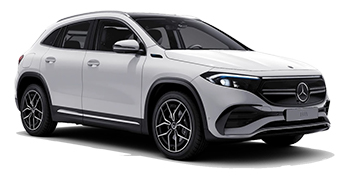
-
Keddy By Europcar From£ 22 /day -
Buchbinder From£ 27 /day -
Europcar From£ 29 /day
-
Keddy By Europcar From£ 23 /day -
Dollar Rent a Car From£ 24 /day -
Thrifty From£ 27 /day
-
Buchbinder From£ 30 /day -
Sixt From£ 43 /day
-
OK Mobility From£ 14 /day
-
OK Mobility From£ 17 /day
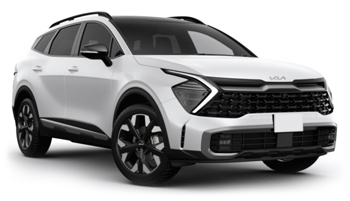
-
wheego From£ 29 /day
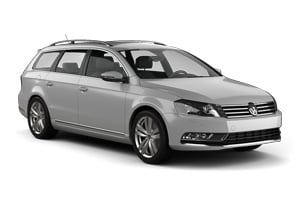
-
OK Mobility From£ 22 /day -
Keddy By Europcar From£ 27 /day -
Europcar From£ 29 /day
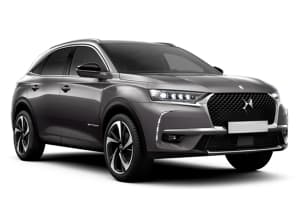
-
OK Mobility From£ 26 /day -
Thrifty From£ 29 /day -
Dollar Rent a Car From£ 30 /day
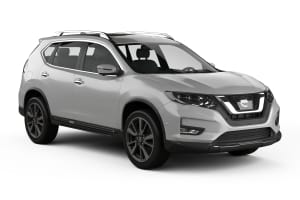
-
Buchbinder From£ 31 /day
-
wheego From£ 28 /day
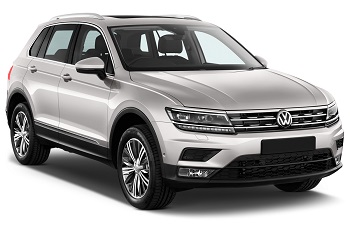
-
Europcar From£ 28 /day
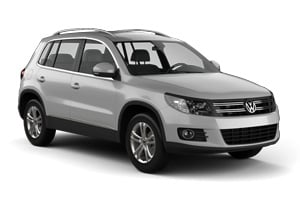
-
Keddy By Europcar From£ 35 /day -
Buchbinder From£ 36 /day -
Europcar From£ 47 /day
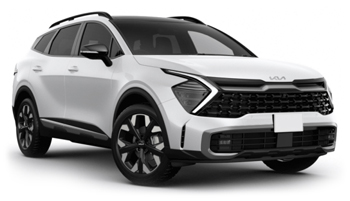
-
wheego From£ 26 /day
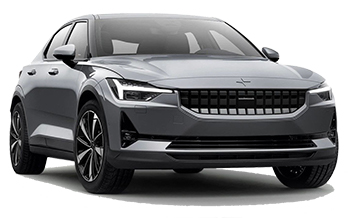
-
Keddy By Europcar From£ 27 /day -
Europcar From£ 30 /day -
Hertz From£ 31 /day
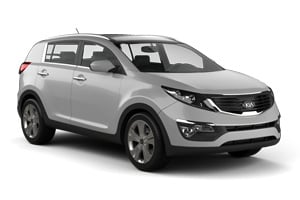
-
wheego From£ 29 /day
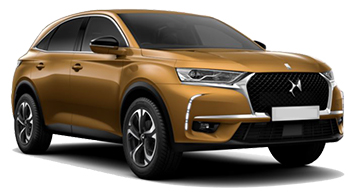
-
OK Mobility From£ 29 /day -
Hertz From£ 35 /day
-
Buchbinder From£ 35 /day -
Europcar From£ 39 /day
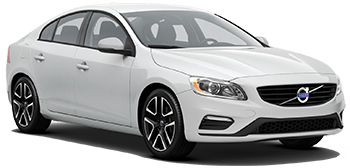
-
Keddy By Europcar From£ 29 /day -
Buchbinder From£ 35 /day -
Europcar From£ 37 /day
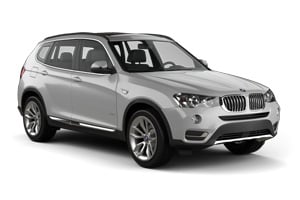
-
OK Mobility From£ 29 /day
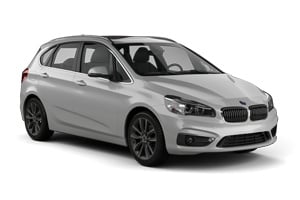
-
Avis From£ 36 /day -
Budget From£ 51 /day
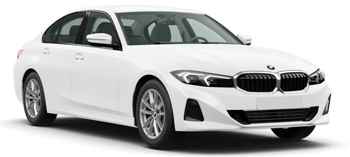
-
Dollar Rent a Car From£ 30 /day -
Thrifty From£ 31 /day -
Sixt From£ 35 /day
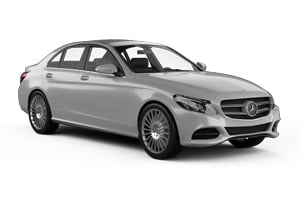
-
Keddy By Europcar From£ 31 /day
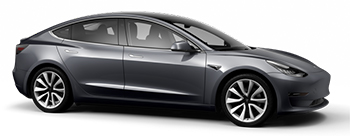
-
Hertz From£ 32 /day
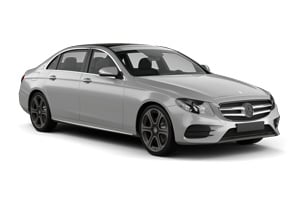
-
Avis From£ 47 /day -
Europcar From£ 56 /day -
Sixt From£ 66 /day
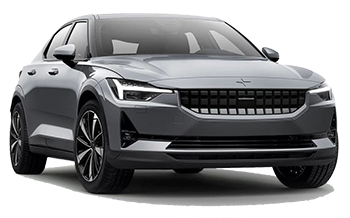
-
Hertz From£ 32 /day -
Sixt From£ 44 /day -
Alamo From£ 146 /day
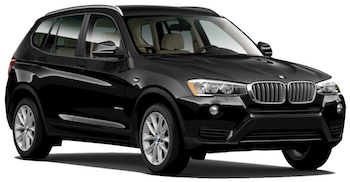
-
OK Mobility From£ 32 /day -
STARCAR From£ 44 /day -
Sixt From£ 45 /day
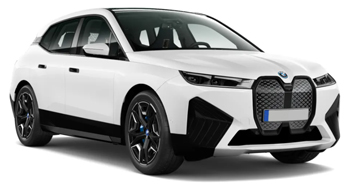
-
Sixt From£ 55 /day
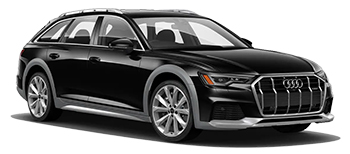
-
Sixt From£ 41 /day -
Europcar From£ 43 /day -
Alamo From£ 45 /day
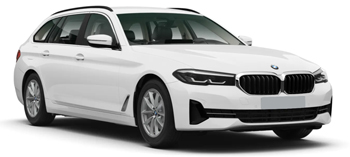
-
Sixt From£ 41 /day -
STARCAR From£ 48 /day -
Flizzr From£ 50 /day
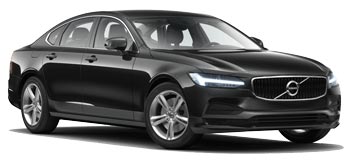
-
Europcar From£ 58 /day
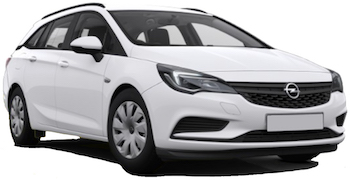
-
Enterprise From£ 19 /day -
Alamo From£ 23 /day -
Buchbinder From£ 24 /day
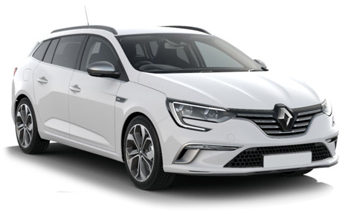
-
OK Mobility From£ 20 /day -
Buchbinder From£ 23 /day
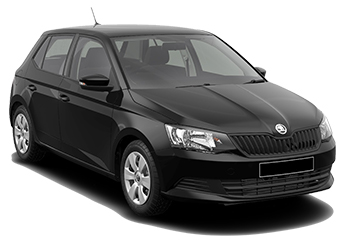
-
wheego From£ 24 /day
-
OK Mobility From£ 20 /day -
Keddy By Europcar From£ 21 /day -
Buchbinder From£ 24 /day
-
wheego From£ 21 /day -
Europcar From£ 27 /day -
Sixt From£ 33 /day
-
wheego From£ 26 /day -
Europcar From£ 55 /day
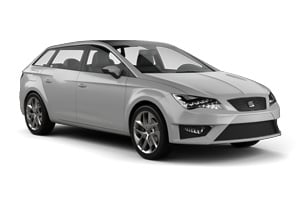
-
Dollar Rent a Car From£ 21 /day -
Thrifty From£ 24 /day -
Avis From£ 28 /day
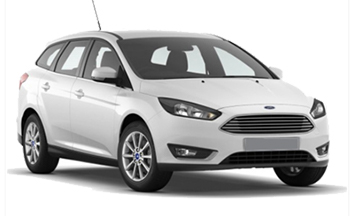
-
Hertz From£ 21 /day -
Thrifty From£ 23 /day -
Dollar Rent a Car From£ 25 /day
-
Buchbinder From£ 28 /day -
Keddy By Europcar From£ 39 /day -
Europcar From£ 42 /day
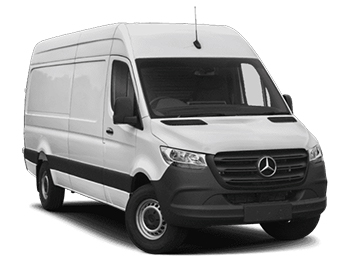
-
Enterprise From£ 45 /day -
STARCAR From£ 60 /day
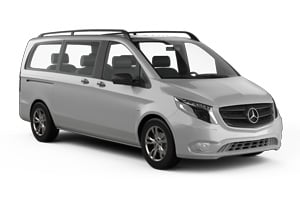
-
STARCAR From£ 49 /day -
Avis From£ 58 /day -
Sixt From£ 68 /day
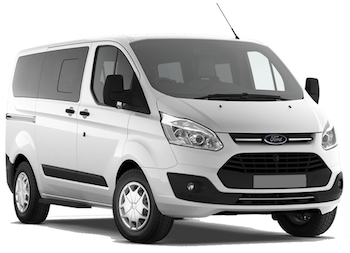
-
Avis From£ 64 /day -
Buchbinder From£ 69 /day -
Europcar From£ 90 /day
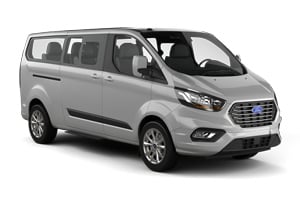
-
Dollar Rent a Car From£ 54 /day -
Hertz From£ 59 /day -
Buchbinder From£ 61 /day
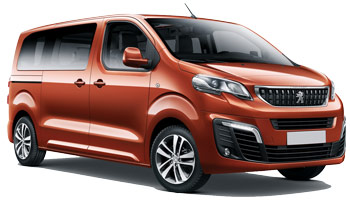
-
OK Mobility From£ 56 /day
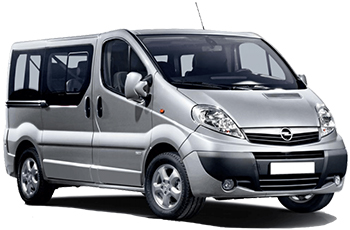
-
wheego From£ 67 /day
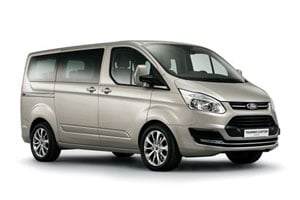
-
Budget From£ 59 /day
-
Alamo From£ 62 /day -
Enterprise From£ 64 /day -
Buchbinder From£ 72 /day
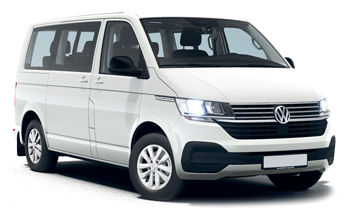
-
wheego From£ 69 /day
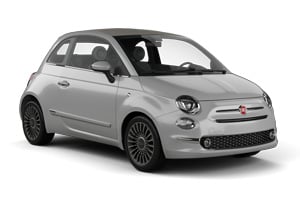
-
Sixt From£ 24 /day -
OK Mobility From£ 25 /day
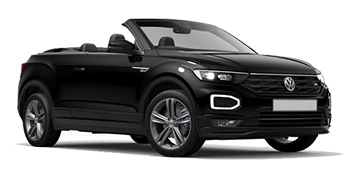
-
Sixt From£ 28 /day -
OK Mobility From£ 51 /day
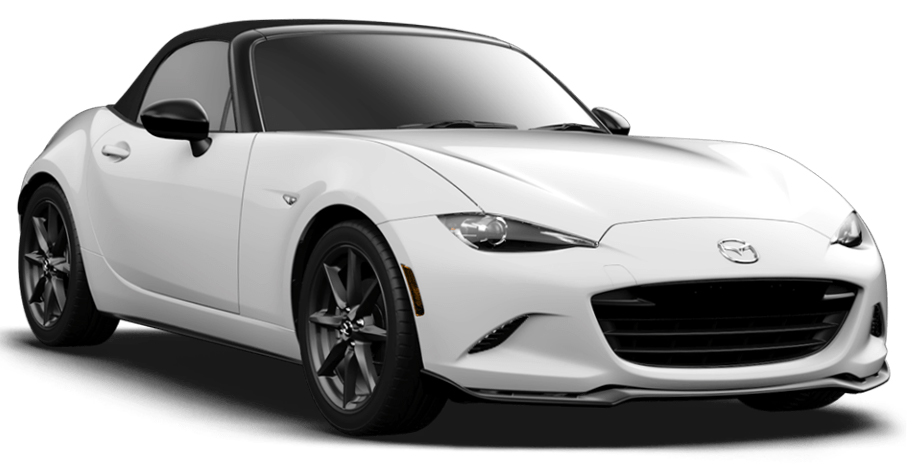
-
Sixt From£ 44 /day
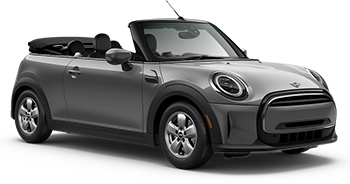
-
Sixt From£ 31 /day
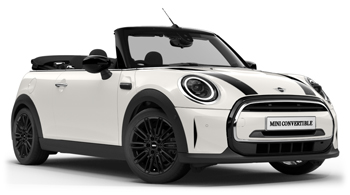
-
Sixt From£ 37 /day
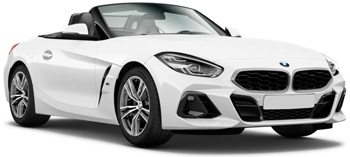
-
Sixt From£ 67 /day
-
Sixt From£ 39 /day
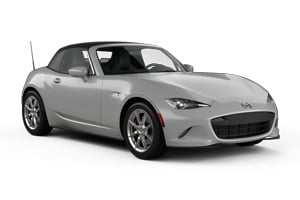
-
Sixt From£ 41 /day
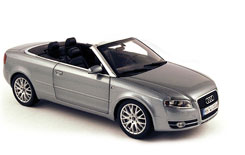
-
Sixt From£ 71 /day
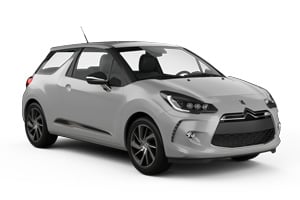
-
OK Mobility From£ 14 /day
-
OK Mobility From£ 14 /day
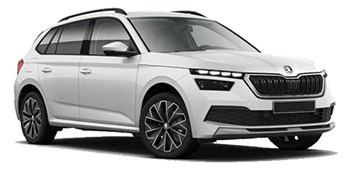
-
wheego From£ 22 /day
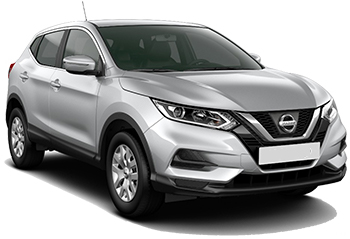
-
OK Mobility From£ 14 /day -
Enterprise From£ 23 /day -
Alamo From£ 24 /day
-
wheego From£ 16 /day
-
wheego From£ 29 /day
-
OK Mobility From£ 17 /day
-
Alamo From£ 19 /day -
Enterprise From£ 22 /day -
National Car Rental From£ 25 /day
-
Avis From£ 30 /day -
Alamo From£ 37 /day
-
Europcar From£ 16 /day
-
Keddy By Europcar From£ 16 /day -
Buchbinder From£ 19 /day -
Europcar From£ 19 /day
-
Buchbinder From£ 20 /day -
Europcar From£ 28 /day -
Keddy By Europcar From£ 29 /day
-
Keddy By Europcar From£ 16 /day -
Buchbinder From£ 19 /day -
Europcar From£ 19 /day
-
Europcar From£ 18 /day -
Buchbinder From£ 19 /day
-
Buchbinder From£ 22 /day -
Keddy By Europcar From£ 29 /day -
Europcar From£ 29 /day
-
Keddy By Europcar From£ 18 /day -
Europcar From£ 22 /day -
Buchbinder From£ 23 /day
-
Keddy By Europcar From£ 18 /day -
Europcar From£ 22 /day -
Buchbinder From£ 23 /day
-
Buchbinder From£ 24 /day -
Keddy By Europcar From£ 31 /day -
Europcar From£ 33 /day
Popular cities in Germany


Popular rental locations in Germany
-
Car Hire Munich AirportFrom
£ 12 /day -
Car Hire Frankfurt Rhein Main AirportFrom
£ 8 /day -
Car Hire Düsseldorf AirportFrom
£ 16 /day -
Car Hire Stuttgart Echterdingen AirportFrom
£ 15 /day -
Car Hire Cologne Bonn AirportFrom
£ 11 /day -
Car Hire Hamburg Fuhlsbüttel AirportFrom
£ 13 /day -
Car Hire Berlin Brandenburg AirportFrom
£ 16 /day -
Car Hire Berlin Schoenefeld Airport

When to book a rental car in Germany
Germany - When is the most affordable time to rent a mini class car?
At this destination (Germany), January is the most affordable time to rent a mini class car with an average daily rate of
Germany - When is the most affordable time to rent a economy class car?
At this destination (Germany), January is the most affordable time to rent a economy class car with an average daily rate of
Germany - When is the most affordable time to rent a compact class car?
At this destination (Germany), January is the most affordable time to rent a compact class car with an average daily rate of
Germany - When is the most affordable time to rent an intermediate class car?
At this destination (Germany), December is the most affordable time to rent a intermediate class car with an average daily rate of
Germany - When is the most affordable time to rent a standard class car?
At this destination (Germany), November is the most affordable time to rent a standard class car with an average daily rate of
Germany - When is the most affordable time to rent a full-size car?
At this destination (Germany), December is the most affordable time to rent a full-size class car with an average daily rate of
Germany - When is the most affordable time to rent a luxury car?
At this destination (Germany), December is the most affordable time to rent a luxury class car with an average daily rate of
Germany - When is the most affordable time to rent a station wagon?
At this destination (Germany), December is the most affordable time to rent a station wagon with an average daily rate of
Germany - When is the most affordable time to rent a SUV?
At this destination (Germany), December is the most affordable time to rent an SUV with an average daily rate of
Germany - When is the most affordable time to rent a MPV?
At this destination (Germany), July is the most affordable time to rent an mpv with an average daily rate of
Germany - When is the most affordable time to rent a minivan?
At this destination (Germany), January is the most affordable time to rent a minibus with an average daily rate of
Germany - When is the most affordable time to rent a sports car?
At this destination (Germany), December is the most affordable time to rent a sports car with an average daily rate of
Germany - When is the most affordable time to rent a convertible?
At this destination (Germany), August is the most affordable time to rent a convertible with an average daily rate of
Germany - When is the most affordable time to rent a sedan?
At this destination (Germany), June is the most affordable time to rent a sedan with an average daily rate of
Germany - When is the most affordable time to rent a delivery van?
At this destination (Germany), August is the most affordable time to rent a van with an average daily rate of
Car rental locations in Germany
Carrentals.co.uk compares rental car prices at the following destinations
Germany Guide
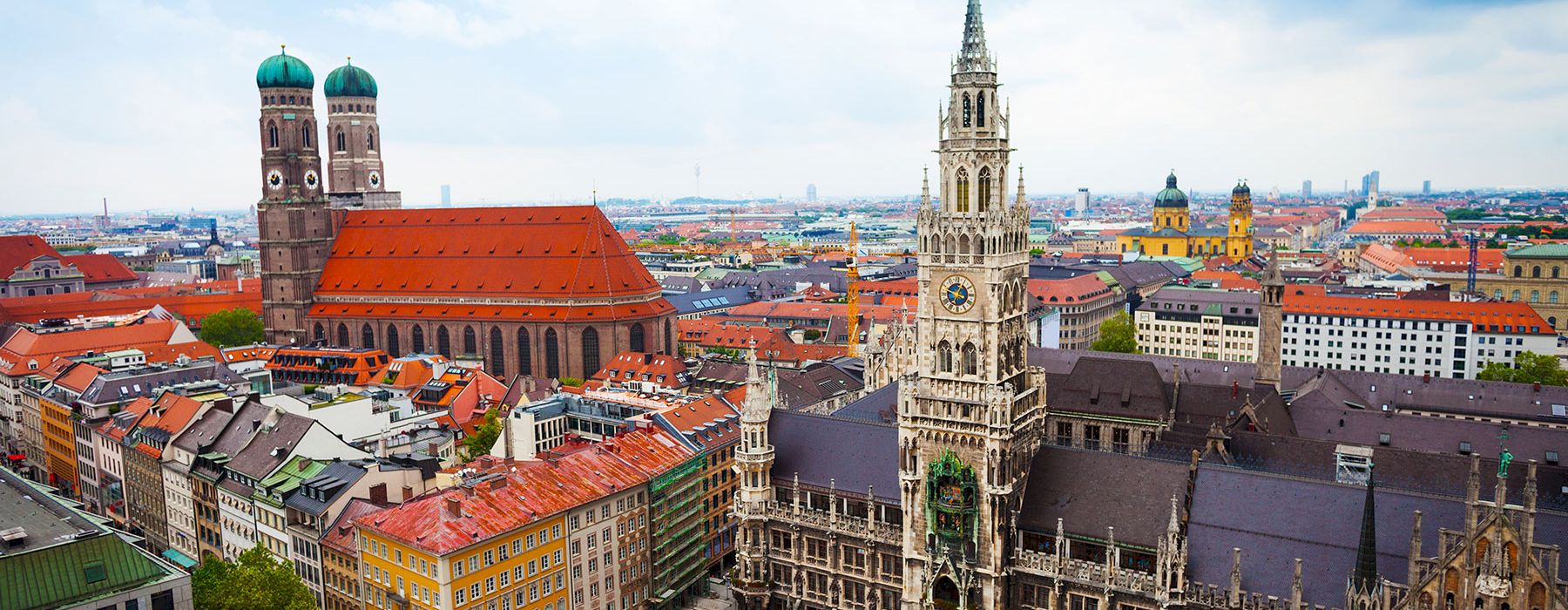
Germany is best explored by rental car. Carrentals.co.uk has over 653 pick-up locations in Germany. This means there is always a pick-up location close to your destination.
Most popular car hire locations in Germany
Driving
Germany offers historic buildings and fairytale castles alongside bustling cities such as Berlin and Munich. Here visitors have the option of a busting city environment, but a stunning mountain backdrop is often only a short drive away. With numerous designated scenic roads, Germany and its many stunning sights can be enjoyed on routes connecting one bustling city to another.
Driving Tips for Germany
Although the extensive domestic bus and train networks make it easy to get around, the best way to see the amazing scenery is by car. With such a well maintained, extensive road network, driving is easy and enjoyable, and traffic outside of the cities is rarely an issue. The scenic back roads are a must and can be navigated easily.
Driving licences: although the majority of foreign driving licences are accepted in Germany, it is recommended that prospective drivers obtain an International Driving Permit.
Which side does Germany drive on: the right.
Speed limits:
Dual carriageways and highways: 80mph (130kph)
Provincial or national roads: 62mph (100kph)
Local roads: 49mph (80kph)
Urban roads: 31mph (50kph)
Alcohol limits: 0.05 per cent, which is strictly enforced and stricter than the 0.08 per cent UK limit. Fines and driving licence suspensions are common for offenders, as are lifetime bans on driving.
Driving age: 18 years.
Seatbelts: all passengers, front and back, must wear a seatbelt. Passengers under the age of 12 are prohibited from sitting in the front seat; they must sit in the rear of the vehicle in an approved child safety seat. Child safety seats can be rented from the majority of car rental companies.
Mobile phones and GPS: using a mobile phone without a hands-free device is illegal. Those caught doing so should expect to receive a hefty fine. GPS devices are available for rent and can come in useful when navigating Germany’s scenic routes.
Cost of fuel in Germany: slightly more expensive than in the UK.
Car hire and fuel payment: rental companies require a valid credit card for a deposit and credit cards are accepted as a method of payment. The majority of petrol stations accept credit cards and many are self-service.
Insurance: liability insurance must be provided with all car rentals by law. Drivers between the ages of 18 and 24 years are required to purchase additional insurance, but excess cover is recommended for all drivers.
Traffic and parking: parking is easy to find both within the cities and in rural areas. Spaces are marked with a white-and-blue ‘P’ sign. Some have certain time or date restrictions so motorists should remember to check the signage. The majority of cities have self-pay ticket dispensers that allow parking for a certain amount of time. Traffic is a problem in many cities, but the autobahn rarely sees any traffic jams.
Transport
Trains
Fast trains enter Germany from surrounding countries including Switzerland, Austria and Poland. The German railway system is extensive; however, all tickets need to be booked in advance. Deutsche Bahn, or German Rail, operates the majority of services, which are quick and relatively frequent. The train ride from Munich to Hamburg takes 6 hours, which is around an hour faster than driving the same route. Tickets on this route cost around £110 for a single journey; however, student discounts and other offers are available both online and at train stations. There is also a Bahn card for those planning to hop on and off trains.
Taxis
Although not practical for long journeys, taxis are a common way of getting around within the cities. They can be flagged down or found at designated taxi points. All taxis run on meters, with set fares according to distance travelled. The starting fare varies between £2 and £2.50 depending on the city, with a charge of about £1.20 for each kilometre driven.
Buses
Eurolines buses connect major German cities to other major European hubs. The bus lines aren’t as well developed as the railway system, but a number run from Berlin to surrounding cities. The Neun-Euro Bus is the cheapest bus line, and for those who book in advance, tickets for as low as £7 can be found for journeys from Hamburg to Frankfurt. Many buses run overnight and booking in advance is usually required. There are also a number or regional services and local lines; however, they rarely run more than once a day, while inner-city buses are more frequent.
Ferries
While ferry travel within the country isn’t common, international ferries run to German ports from Sweden, Norway and Denmark.
Airports
Although travelling by train is by far the most popular way of getting around, there are a number of domestic flights available. The main commercial airports are in Frankfurt and Munich, which are also the most common entry points from international locations. These hubs have a number of daily flights to the major cities in the country. A flight from Munich to Frankfurt usually costs between £100 and £120 one-way.
Explore
Exploring Germany
The Bavarian culture of beer and lederhosen tends to be the first images that spring to mind at first mention of Germany, but there is much more to this nation. While Frankfurt is the financial centre, the industrial city of Hamburg is the powerhouse and a great place to visit for those seeking stunning architecture alongside trendy bars and restaurants.
However, for those wanting an altogether different nightlife experience, it has to be Berlin. Architecturally, it is something of a mismatch, with modern structures standing alongside retro apartment blocks. Yet the laid-back atmosphere is a big draw, as are the many uber-trendy nightclubs and bars found across the city. This is also the place to see the remains of the famous Berlin Wall.
A great spot for driving is the Romantic Road. This famous scenic road links a number of romantic castles and quaint villages. The drive also takes holidaymakers past the Neuschwanstein Castle and the walled city of Rothenburg ob der Tauber.
Another spot for historic monuments is Munich. Here, historic sites sit alongside a booming café culture. It is also the best place to head to sample famous German beers in the numerous beer halls dotted around the city.
Our Travel Editor’s Recommended Drives
Romantic Road – this aptly named route runs through a number of medieval towns that can only be reached by road. It showcases much of Germany’s famous landscape, from the Bavarian Alps to the Main River.
Fairytale Road – one of the most renowned and most magical routes in Europe. Made famous by the fairytales of the Grimm brothers, it covers numerous destinations along a 370-mile stretch.
Alpine Road – easily the best route for visitors keen to see the best of German architecture. The route follows the Bavarian Alps foothills, which provide a perfect backdrop for a relaxing drive.
Mosel Valley – this route is designed to be taken at a slow pace. Passing through Germany’s famous wine country, drivers are practically obliged to stop and sample the local produce at the numerous riverside towns.
Holidays and Festivals
New Year’s Day (1 January)
Easter (March/April)
Labour Day (1 May)
Oktoberfest Beer Festival (September/October)
Christmas Day (25 December)
Weather
Atlantic winds keep conditions wet and mild for the majority of the year; however, the east of Germany can get exceptionally cold in the winter. Although temperatures across the country can be diverse, they tend to hover around 3ºC in January, rising to 22ºC in July. The peak season is May to September, but visiting between January and April often means lower airfares and fewer crowds in the touristy areas.
Practical Stuff
Germany Travel Tips
Germany is a diverse country that offers bustling cities alongside sleepy, scenic towns. There’s no end of adventure sports, but also plenty of romantic getaways. The majority of German citizens know at least some basic English and are happy to point visitors in the right direction when it comes to visiting the best places. With its fast, well-maintained roads, Germany is an easy country to get around.
Germany contact numbers
Country code - (+49)
Emergency services – 112
British Embassy – +49 30 20457
British consular emergency services – +49 30 20457
Irish Embassy – +49 30 220720
US Embassy – +49 30 83050
Canadian Embassy – +49 30 203120
Money matters
The official currency in Germany is the Euro. Exchange services are readily available at banks and post offices along with hotels, airports and train stations. Banks won’t change travellers’ cheques, but bureaux de change will and are easy to find in all cities and popular tourist spots. ATMs accept foreign cards and can be found in banks, which open Monday to Friday between 08:30 and 16:00.
Health and safety
No vaccinations are needed before visiting Germany, but inoculation against hepatitis is advised, as with travel elsewhere worldwide. In the case of sudden illness, EU citizens can avail of free or heavily discounted healthcare. However, they will have to provide a European Health Insurance Card (EHIC). Non-EU citizens are strongly advised to purchase travel insurance as the price of healthcare in Germany is high.
Fitting in…
Germans are renowned for being organized and on time, and exhibiting lateness or not following timetables are sure to rub the locals up the wrong way. Following the local customs and learning some German phrases will help, but it can take time to become accustomed to the German way of life.
Visas for Germany
A visa is not required by citizens of the UK or EU. American and Canadian visitors need a passport with a minimum of six months of validity to enter for stays of up to three months. Nationals of other countries should contact their closest German embassy for visa requirements.
Electricity
Germany uses the two round pin plugs that are used across Europe. Electricity here runs at 220-240 Volts, 50 Hertz. An adaptor will be necessary for anyone wishing to use electronics from either the UK or the US.
Business hours
Shops: 09:00 to 20:00, Monday to Saturday
Businesses: 08:00 to 16:00, Monday to Friday
Government offices: 08:00 to 16:00, Monday to Friday
Helpful phrases
Ja/nein – Yes/no
Gern geschehen – You’re welcome
Bitte/danke - Please/thanks
Guten tag – Hello
Ich verstehe nicht – I don’t understand
Auf wiedersehen – Goodbye
Bier – Beer
Practical information
-
CurrencyEuro
-
Driving directionRight
-
City speed limit50 km/h
-
Freeway speed limit100 km/h
-
LanguageGerman
-
Popular car categoryCompact
What most people want to know
The following questions and answers are a selection of the most popular questions. If you do not find the answer to your question, have a look at the Frequently Asked Questions page or contact us.
- Dollar Rent a Car
- Enterprise
- Avis
- National Car Rental
- Budget
- Keddy By Europcar
- Hertz
- Buchbinder
- OK Mobility
- Europcar
- Sixt
- GLOBAL Rent-a-Car
- wheego
- Flizzr
- Global Rent a Car
- Alamo
- InterRent
- Thrifty
- STARCAR
- Edel & Stark
- Leasys
- Your Rent
- Rent a star
- Elite (Luxury)
- McRent
- Drive Hellas
- CITROEN
- Caradvance GmbH
- Green Motion
- City Car Rent a Car
- Apollo Car Rental