
- Over 1 million successful rentals
- Popular countries
- Popular regions
- Popular cities
- Popular airports
- Car Hire United Kingdom
- Car Hire Spain
- Car Hire Italy
- Car Hire France
- Car Hire United States
- Car Hire Portugal
- Car Hire Greece
- Car Hire Ireland
- Car Hire Cyprus
- Car Hire Switzerland
- Car Hire Germany
- Car Hire Croatia
- Car Hire Turkey
- Car Hire Canada
- Car Hire South Africa
- Car Hire Austria
- Car Hire Poland
- Car Hire Australia
- Car Hire Netherlands
- Car Hire Denmark
- Car Hire England
- Car Hire Scotland
- Car Hire Majorca
- Car Hire Florida
- Car Hire California
- Car Hire Crete
- Car Hire Sicily
- Car Hire Sardinia
- Car Hire Menorca
- Car Hire Wales
- Car Hire Kefalonia
- Car Hire Tenerife
- Car Hire Channel Islands
- Car Hire Corsica
- Car Hire Madeira
- Car Hire Gran Canaria
- Car Hire Fuerteventura
- Car Hire Isle of Man
- Car Hire Santorini
- Car Hire Azores
- Car Hire London
- Car Hire Faro
- Car Hire Malaga
- Car Hire Manchester
- Car Hire Alicante
- Car Hire Palma de Mallorca
- Car Hire Edinburgh
- Car Hire Dublin
- Car Hire Geneva
- Car Hire Nice
- Car Hire Paphos
- Car Hire Pisa
- Car Hire Birmingham
- Car Hire Lisbon
- Car Hire Milan
- Car Hire Larnaca
- Car Hire Glasgow
- Car Hire Orlando
- Car Hire Bristol
- Car Hire Rome
- Car Hire London Heathrow Airport
- Car Hire Faro Airport
- Car Hire London Gatwick Airport
- Car Hire Malaga Airport
- Car Hire Alicante Airport
- Car Hire Manchester Airport
- Car Hire Mallorca Airport
- Car Hire Dublin Airport
- Car Hire Edinburgh Airport
- Car Hire Nice Airport
- Car Hire London Stansted Airport
- Car Hire Paphos Airport
- Car Hire Pisa Airport
- Car Hire Lisbon Airport
- Car Hire Birmingham Airport
- Car Hire Larnaca Airport
- Car Hire London Luton Airport
- Car Hire Geneva Airport (Switzerland)
- Car Hire Orlando International Airport
- Car Hire Glasgow Airport
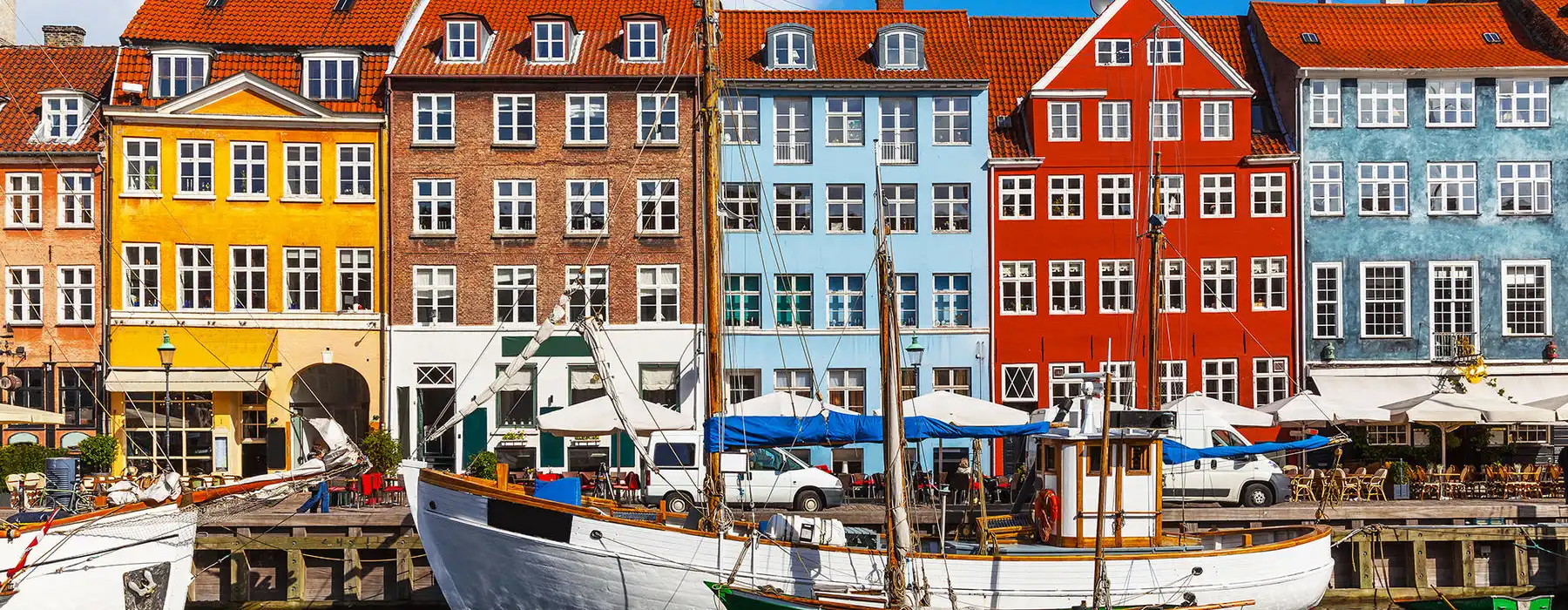
Car Hire Denmark
Save time and money. We compare the offers of car rental companies in Denmark on your behalf.
- Free cancellation Up to 48 hours prior to the scheduled pick-up time
- Best price guarantee Have you found a better price? Let us know and we will make you a better offer.
- 24000+ pick-up locations Locations around the world

Compare Car Hire
Carrentals.co.uk offers simple and straightforward car hire comparison services. We don't add a penny to your quotes!
Car rental offers in Denmark
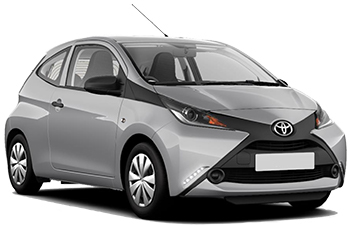
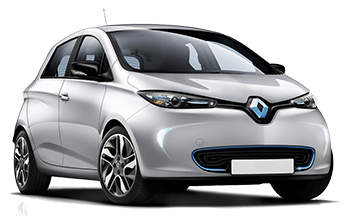
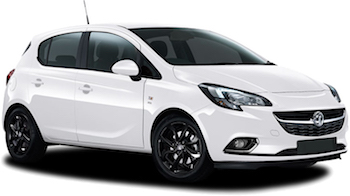
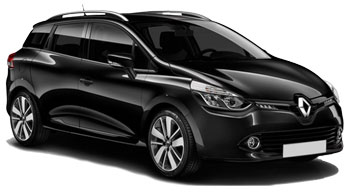
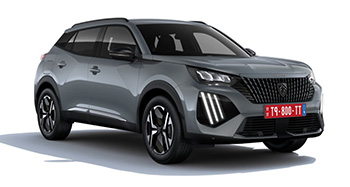
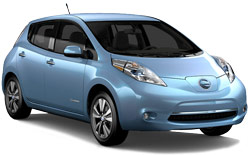
Whether you're looking for a small rental car or a station wagon for the entire family, we will always have a suitable vehicle at the lowest price. Below are some examples from our selection in Denmark.

-
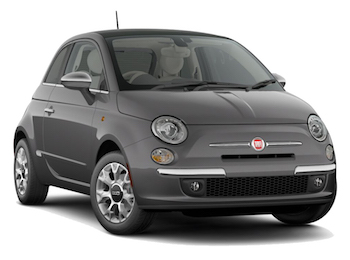
Europcar From£ 12 /day -
Keddy By Europcar From£ 13 /day
-
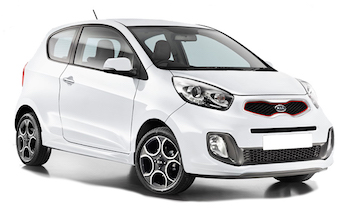
Budget From£ 12 /day
-
Budget From£ 13 /day

-
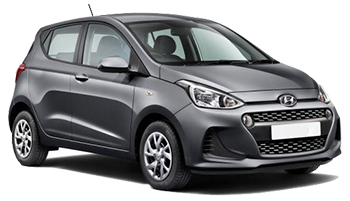
Avis From£ 13 /day -
Budget From£ 14 /day -
Sixt From£ 24 /day
-
Avis From£ 14 /day -
Budget From£ 15 /day -
Sixt From£ 25 /day

-
Alamo From£ 15 /day -
Enterprise From£ 18 /day
-
Keddy By Europcar From£ 15 /day -
Europcar From£ 15 /day

-
Alamo From£ 17 /day -
Enterprise From£ 20 /day
-
Thrifty From£ 18 /day -
Hertz From£ 21 /day
-
Budget From£ 12 /day -
Avis From£ 13 /day -
Sixt From£ 15 /day

-
Budget From£ 13 /day -
Avis From£ 13 /day -
Sixt From£ 24 /day
-
Budget From£ 13 /day -
Avis From£ 14 /day -
Sixt From£ 24 /day
-
Europcar From£ 13 /day -
Keddy By Europcar From£ 13 /day -
Alamo From£ 43 /day
-
Budget From£ 15 /day -
Avis From£ 15 /day
-
Alamo From£ 15 /day -
Enterprise From£ 20 /day

-
Avis From£ 15 /day -
Alamo From£ 20 /day -
Enterprise From£ 20 /day
-
Europcar From£ 15 /day -
Keddy By Europcar From£ 15 /day -
Enterprise From£ 56 /day
-
Sixt From£ 15 /day
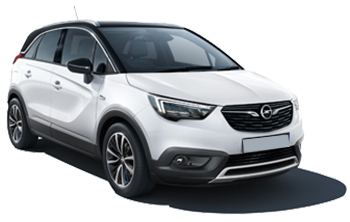
-
Keddy By Europcar From£ 13 /day -
Europcar From£ 15 /day -
Advantage Rent a Car From£ 98 /day
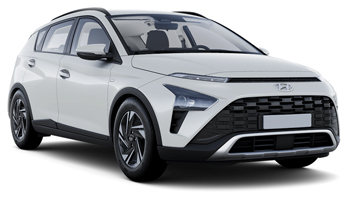
-
Keddy By Europcar From£ 14 /day -
Europcar From£ 15 /day -
Advantage Rent a Car From£ 102 /day

-
Budget From£ 14 /day -
Avis From£ 15 /day -
Alamo From£ 18 /day

-
Budget From£ 14 /day -
Avis From£ 14 /day -
Alamo From£ 17 /day
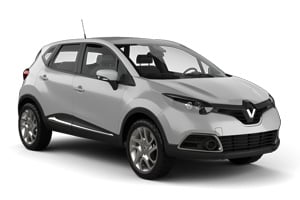
-
Keddy By Europcar From£ 14 /day -
Europcar From£ 16 /day -
Alamo From£ 18 /day
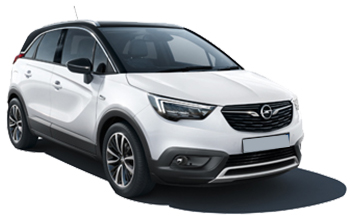
-
Europcar From£ 15 /day -
Keddy By Europcar From£ 15 /day
-
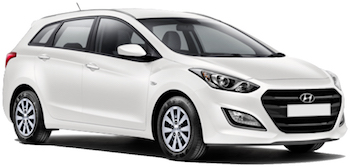
Keddy By Europcar From£ 14 /day -
Europcar From£ 15 /day -
Budget From£ 17 /day

-
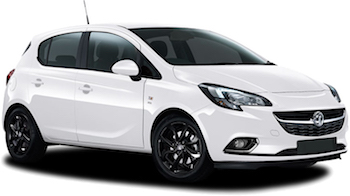
Europcar From£ 16 /day -
Keddy By Europcar From£ 16 /day
-
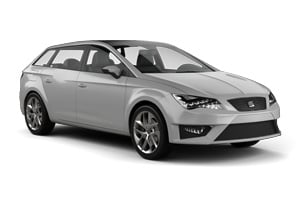
Sixt From£ 15 /day
-
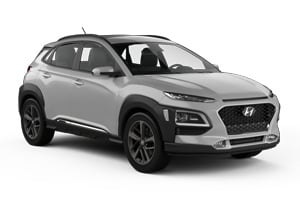
Keddy By Europcar From£ 16 /day -
Europcar From£ 19 /day -
Advantage Rent a Car From£ 278 /day
-
Keddy By Europcar From£ 16 /day -
Europcar From£ 19 /day
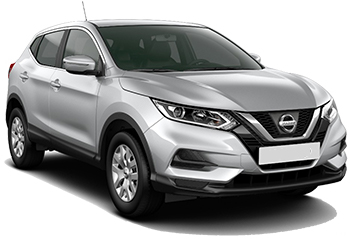
-
Keddy By Europcar From£ 17 /day -
Europcar From£ 19 /day -
Budget From£ 19 /day
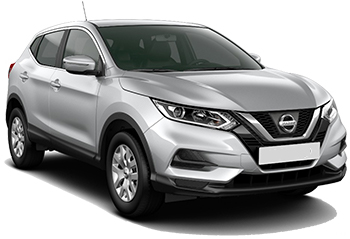
-
Keddy By Europcar From£ 17 /day -
Europcar From£ 19 /day -
Budget From£ 22 /day
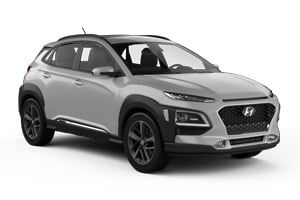
-
Keddy By Europcar From£ 17 /day -
Europcar From£ 19 /day
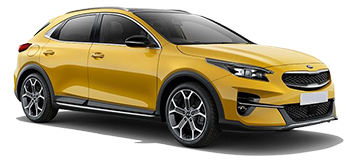
-
Budget From£ 18 /day -
Avis From£ 20 /day
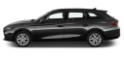
-
Keddy By Europcar From£ 18 /day -
Europcar From£ 19 /day
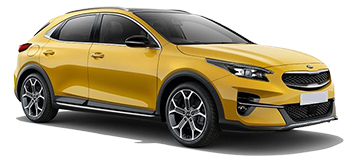
-
Budget From£ 18 /day -
Avis From£ 20 /day
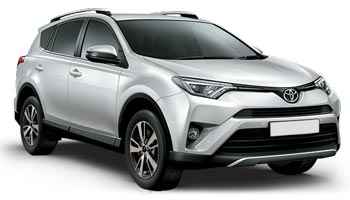
-
Budget From£ 18 /day -
Avis From£ 20 /day
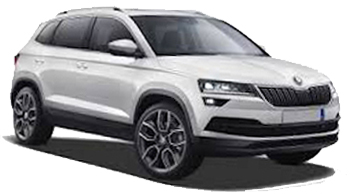
-
Keddy By Europcar From£ 21 /day -
Europcar From£ 22 /day -
Advantage Rent a Car From£ 147 /day

-
Keddy By Europcar From£ 21 /day -
Europcar From£ 22 /day
-
Keddy By Europcar From£ 22 /day -
Europcar From£ 22 /day -
Advantage Rent a Car From£ 223 /day

-
Budget From£ 22 /day -
Avis From£ 23 /day -
Alamo From£ 26 /day
-
Budget From£ 22 /day -
Avis From£ 23 /day -
Alamo From£ 26 /day
-
Europcar From£ 22 /day -
Keddy By Europcar From£ 23 /day

-
Europcar From£ 23 /day -
Keddy By Europcar From£ 25 /day
-
Budget From£ 23 /day -
Avis From£ 24 /day -
Hertz From£ 27 /day
-
Budget From£ 26 /day -
Avis From£ 27 /day -
Hertz From£ 31 /day
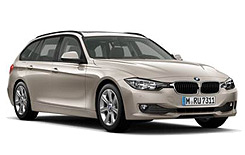
-
Budget From£ 23 /day -
Sixt From£ 29 /day -
Hertz From£ 29 /day
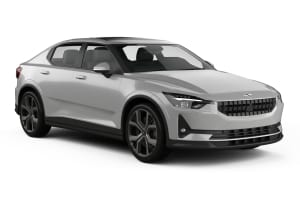
-
Budget From£ 26 /day -
Avis From£ 28 /day
-
Budget From£ 29 /day -
Sixt From£ 30 /day -
Hertz From£ 39 /day
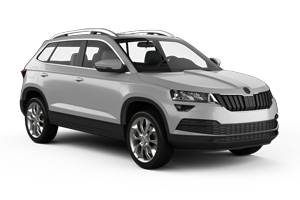
-
Europcar From£ 27 /day -
Keddy By Europcar From£ 28 /day -
Budget From£ 48 /day
-
Keddy By Europcar From£ 30 /day -
Europcar From£ 30 /day -
Budget From£ 52 /day
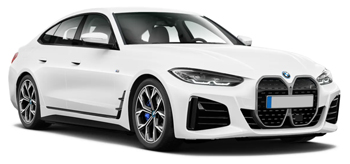
-
Sixt From£ 29 /day
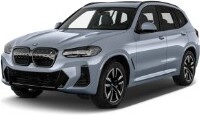
-
Sixt From£ 29 /day
-
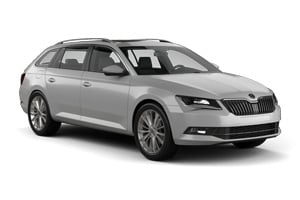
Budget From£ 32 /day -
Avis From£ 33 /day
-
Europcar From£ 29 /day -
Advantage Rent a Car From£ 271 /day

-
Keddy By Europcar From£ 30 /day -
Alamo From£ 40 /day -
Enterprise From£ 44 /day
-
Keddy By Europcar From£ 31 /day -
Alamo From£ 40 /day -
Enterprise From£ 44 /day
-
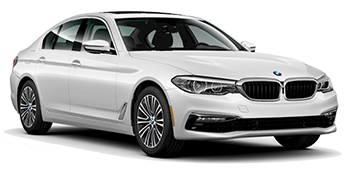
Thrifty From£ 34 /day -
Avis From£ 34 /day -
Budget From£ 35 /day
-
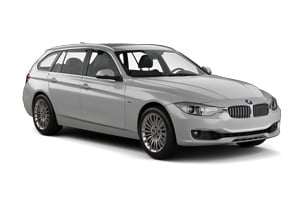
Avis From£ 34 /day -
Budget From£ 35 /day

-
Avis From£ 34 /day -
Budget From£ 35 /day
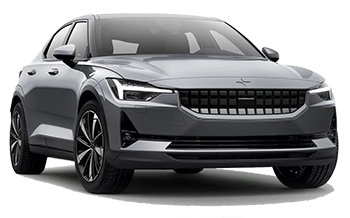
-
Avis From£ 34 /day -
Budget From£ 35 /day -
Europcar From£ 71 /day
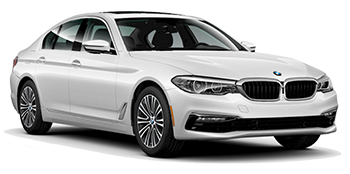
-
Avis From£ 34 /day -
Budget From£ 35 /day -
Hertz From£ 35 /day
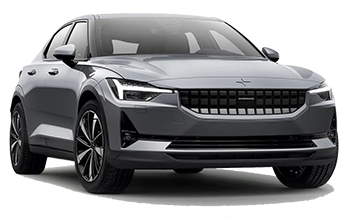
-
Avis From£ 34 /day -
Budget From£ 35 /day -
Europcar From£ 78 /day
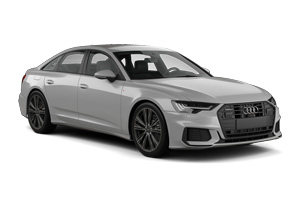
-
Keddy By Europcar From£ 35 /day -
Europcar From£ 39 /day -
Alamo From£ 39 /day

-
Keddy By Europcar From£ 14 /day -
Budget From£ 15 /day -
Europcar From£ 15 /day
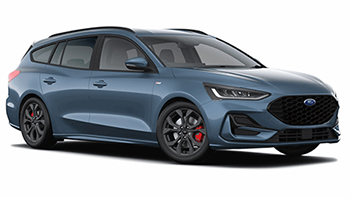
-
Europcar From£ 15 /day -
Keddy By Europcar From£ 15 /day -
Thrifty From£ 26 /day
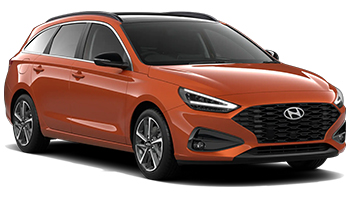
-
Budget From£ 15 /day -
Avis From£ 16 /day -
Europcar From£ 16 /day
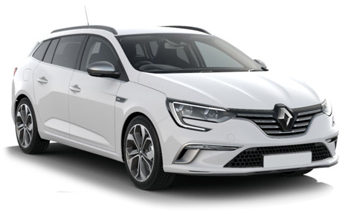
-
Europcar From£ 16 /day -
Keddy By Europcar From£ 28 /day -
Sixt From£ 34 /day
-
Keddy By Europcar From£ 18 /day -
Europcar From£ 19 /day
-
Keddy By Europcar From£ 16 /day -
Europcar From£ 19 /day -
Advantage Rent a Car From£ 278 /day
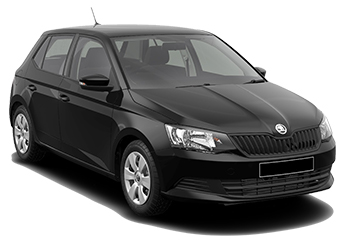
-
Budget From£ 17 /day
-
Europcar From£ 18 /day -
Keddy By Europcar From£ 18 /day -
Hertz From£ 31 /day

-
Budget From£ 20 /day
-
Hertz From£ 41 /day -
Thrifty From£ 42 /day
-
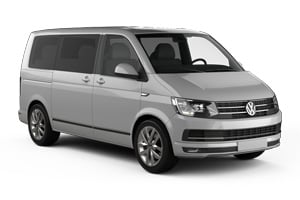
Europcar From£ 41 /day -
Sixt From£ 53 /day -
Alamo From£ 56 /day
-
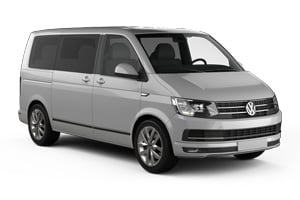
Europcar From£ 43 /day -
Sixt From£ 58 /day -
Keddy By Europcar From£ 60 /day
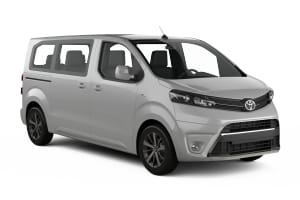
-
Hertz From£ 45 /day
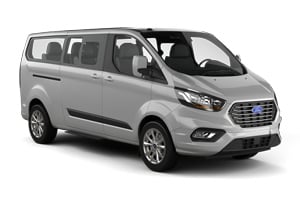
-
Thrifty From£ 47 /day -
Sixt From£ 65 /day -
Hertz From£ 69 /day
-
Hertz From£ 50 /day
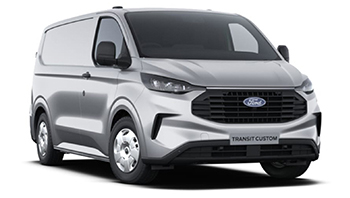
-
Europcar From£ 54 /day -
Keddy By Europcar From£ 60 /day
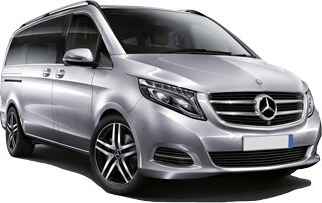
-
Budget From£ 51 /day -
Avis From£ 54 /day
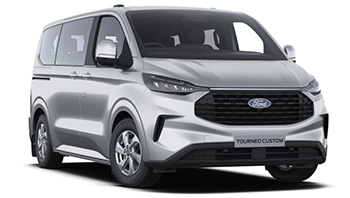
-
Sixt From£ 51 /day -
Europcar From£ 68 /day

-
Sixt From£ 15 /day -
Thrifty From£ 23 /day -
Hertz From£ 25 /day
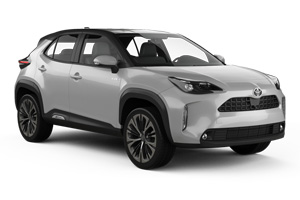
-
Sixt From£ 15 /day
-
Sixt From£ 23 /day
-
Alamo From£ 19 /day -
Enterprise From£ 26 /day
-
Europcar From£ 19 /day -
Keddy By Europcar From£ 29 /day -
Alamo From£ 29 /day
-
Sixt From£ 24 /day -
Hertz From£ 34 /day
-
Budget From£ 21 /day -
Thrifty From£ 28 /day -
Hertz From£ 29 /day
-
Sixt From£ 21 /day
-
Budget From£ 26 /day -
Hertz From£ 39 /day
-
Budget From£ 12 /day -
Avis From£ 13 /day -
Sixt From£ 15 /day
-
Budget From£ 15 /day -
Avis From£ 15 /day

-
Thrifty From£ 21 /day -
Hertz From£ 22 /day
-
Sixt From£ 21 /day
-
Hertz From£ 25 /day
-
Thrifty From£ 22 /day -
Hertz From£ 23 /day

-
Budget From£ 23 /day -
Avis From£ 24 /day -
Sixt From£ 37 /day
-
Hertz From£ 26 /day
-
Budget From£ 23 /day
Popular cities in Denmark



When to book a rental car in Denmark
Denmark - When is the most affordable time to rent a mini class car?
At this destination (Denmark), March is the most affordable time to rent a mini class car with an average daily rate of
Denmark - When is the most affordable time to rent a economy class car?
At this destination (Denmark), March is the most affordable time to rent a economy class car with an average daily rate of
Denmark - When is the most affordable time to rent a compact class car?
At this destination (Denmark), March is the most affordable time to rent a compact class car with an average daily rate of
Denmark - When is the most affordable time to rent an intermediate class car?
At this destination (Denmark), March is the most affordable time to rent a intermediate class car with an average daily rate of
Denmark - When is the most affordable time to rent a standard class car?
At this destination (Denmark), March is the most affordable time to rent a standard class car with an average daily rate of
Denmark - When is the most affordable time to rent a full-size car?
At this destination (Denmark), February is the most affordable time to rent a full-size class car with an average daily rate of
Denmark - When is the most affordable time to rent a luxury car?
At this destination (Denmark), March is the most affordable time to rent a luxury class car with an average daily rate of
Denmark - When is the most affordable time to rent a station wagon?
At this destination (Denmark), March is the most affordable time to rent a station wagon with an average daily rate of
Denmark - When is the most affordable time to rent a SUV?
At this destination (Denmark), March is the most affordable time to rent an SUV with an average daily rate of
Denmark - When is the most affordable time to rent a MPV?
At this destination (Denmark), March is the most affordable time to rent an mpv with an average daily rate of
Denmark - When is the most affordable time to rent a minivan?
At this destination (Denmark), February is the most affordable time to rent a minibus with an average daily rate of
Denmark - When is the most affordable time to rent a sedan?
At this destination (Denmark), July is the most affordable time to rent a sedan with an average daily rate of
Denmark - When is the most affordable time to rent a delivery van?
At this destination (Denmark), August is the most affordable time to rent a van with an average daily rate of
Denmark Guide
Denmark is best explored by rental car. Carrentals.co.uk has over 46 pick-up locations in Denmark. This means there is always a pick-up location close to your destination.
Most popular car hire locations in Denmark
Driving
Charming little Denmark isn’t a major European tourism destination, but there’s plenty here to keep visitors happy for the duration of their trip. Famous for its Viking raiders, the invention of Lego, its rich cultural heritage and the iconic Danish sense of design, this ultra-modern land has a comprehensive, carefully–maintained road system, making touring here by car a delight.
Driving Tips for Denmark
Driving in this predominately flat country is easy, with Danish drivers competent, courteous and disciplined, making every trip a pleasure. Roads are toll-free although long bridges have a charge, and drivers should note cycling lanes and give right of way to bikers. All in all, driving here is a refreshingly stress-free way to travel.
Driving licences: UK driving licences which are valid for at least a year are accepted.
Which side does Denmark drive on: the right.
Speed limits:
Motorways: 80mph (130kph)
Single rural carriageways: 50mph (80kph)
Urban roads: 31mph (50kph)
Alcohol limits: 0.05 per cent (50mg/100ml), compared with the 0.08 per cent UK limit, with convictions often resulting in jail time.
Driving age: 18 years; 21 years if hiring a car.
Seatbelts: are mandatory at all times. A suitable restraint system must be used for children under three years.
Mobile phones and GPS: mobile phone usage is prohibited while driving unless a hands-free kit is used. GPS isn’t essential as Danish roads are well-signposted, but can be useful for planning trips.
Cost of fuel in Denmark: varies, with unleaded 95 octane more expensive than in the UK and diesel around the same.
Car hire and fuel payment: when hiring a car, presenting a credit card is mandatory, but payment can be made by card or cash. Petrol stations accept payment by card at the pump.
Insurance: compulsory third-party basic insurance comes with the rental charge, but a collision damage waiver add-on is recommended.
Traffic and parking: Danish city centres are infamous for their traffic congestion, with park-and-ride a sensible solution. Discs giving an hour’s parking can be bought at petrol stations, tourist information offices and banks, and must be displayed in the vehicle’s front window. Several cities have metered street parking for periods of up to three hours.
Transport
Trains
The Danish State Rail network covers all regions, although feeder lines from the main routes in eastern Jutland are operated by Arriva. Copenhagen has a commuter rail system linking the suburbs with the centre, as well as a limited metro system. Train travel here is ultra-modern, efficient, extremely comfortable and more expensive than bus or air travel, although pre-booked Orange tickets give discounts. For example, tickets from Copenhagen to Aalborg in the far north of the Jutland peninsula costs £38 and takes 5 hours.
Taxis
Taxis are safe, comfortable and plentiful but pricey, and you may have a long wait late at night on weekends. Metered cabs can be booked by phone or hailed on the street, and city taxi ranks are found at major road junctions. All taxis accept credit cards and many accept euro as well as kroner. Tipping is not expected and fares are fixed. The flag fall charge is about £2.70, with prices per kilometre travelled ranging between £1.20 and £1.70 dependent on the time of day.
Buses
Long-distance bus services are provided by Abildskou and are regular, comfortable and slightly less expensive than the train. Copenhagen and other large cities have extensive local bus services, although many Danes prefer to cycle. Copenhagen offers a CityCirkel mini-electric bus around the inner city that serves the main visitor attractions. Travel by bus from Copenhagen to Aarhus on the Jutland peninsula costs approximately £30.
Ferries
The small, populated islands in the Danish archipelago can only be reached by ferry, with most companies providing year-round services in spite of the winter weather. Routes include Copenhagen to Ronne, Aarhus to Kalundborg, Esbejerg to Fano, Grenaa to Anholt and Kalundborg to Samso. Boats are modern and comfortable, and a trip from Grenaa to Anholt costs around £40 return.
Airports
Denmark’s efficient train service and the country’s small size limits domestic air travel to links between Copenhagen and the more remote cities. Copenhagen’s Kastrup International Airport is the country’s main air hub, serving 22 million passengers a year and linking with London-Heathrow (British Airways), London-Gatwick, London-Stansted, Manchester and Edinburgh (EasyJet) and Glasgow (BMI). Scandinavian Airlines flies from London and a number of other UK regional airports. Other airports include Aalborg, Aarhus, Billund and Bornholme. Average flight costs from the UK start at around £45 depending on the season.
Explore
Exploring Denmark
The tiny country of Denmark is easy to get around by hire car or public transport and there’s plenty to see and do, beginning with the picturesque city of Copenhagen. The city’s Old Quarter of Indre Be, with its colourful, red-roofed homes, holds the Royal palace, the City Hall, the cultural Charlottenborg mansion, the Glyptoteket Museum, the Marmokirken and the lovely Rosenborg Castle. Famous Tivoli Gardens is the world’s oldest amusement park.
Aarhus is Denmark’s second largest city, set on the Jutland peninsula and boasting the spectacular 800-year old Aarus Domkirk cathedral as well as many examples of traditional Danish architecture. The Aarhus Viking Museum is just one of a number of museums displaying the history of the land, but is understandably the most popular along with the open-air museum of Den Gamle Be, which features 75 heritage buildings grouped as a village.
Outside the cosmopolitan ambience of Denmark’s cities, you’ll find a laid-back, rural atmosphere unchanged since the early days of the country. Jutland’s scenery is the most interesting, ranging from windswept coastlines through desolate heaths to rolling, verdant hills, with only a few settlements to disturb the peace. The island of Funen is home to the country’s cutest villages, sandy beaches along its southern coastline and the small city of Odense, the birthplace of Hans Christian Andersen and home to picturesque buildings, an ancient cathedral and a castle.
Our Travel Editor’s Recommended Drives
The Margueritruten – is named for the Marguerite daisy and is a network of interconnected roads through scenic areas covering 1,864 miles (3,500kms) and passing over 100 of the country’s main visitor attractions. The entire route is marked with signs which are identified by their daisy decoration.
Zeeland to Funen – begins at one of the globe’s longest suspension bridges, linking Copenhagen with the neighbouring island of Fyn. The toll charge for the bridge isn’t cheap, but worth every penny for the chance to explore the attractions of the colourful island.
Odense to Aalborg – after spending time in the picturesque city of Odense, the 250 mile (400km) drive to the far northern Jutland city of Aalborg opens out vistas of lush greenery in summer and snowy wastes in winter. The drive takes visitors through the heart of central Jutland with its agricultural villages and passes by Denmark’s Legoland, a treat for children.
Aalborg-Skagen Loop – beginning in Aalborg, the drive to Skagen on the northernmost tip of Denmark is one of the most romantic in the country, ending in this little town dedicated to arts and traditions. The road loops back via Frederikshavn, passing picturesque villages, historic Viking sites and quaint fishing ports.
Holidays and Festivals
New Year’s Day (1 January)
Easter (March/April)
Constitution Day (5 June)
Christmas Day (25 December)
Weather
Due to the Gulf Stream in the North Atlantic, Denmark’s climate is warmer than its latitude suggests, with January and February the coldest months with temperatures of around freezing and average summer highs in August of 15°C. Annual rainfall averages 712mm, with spring the driest season and autumn the wettest, and rainfall occurs on 121 days per year.
Practical Stuff
Denmark Travel Tips
Although Copenhagen is a popular destination for weekend visits and short-stay trips from the UK, the rest of the country sees few tourists. Being an easy country to travel and with most Danes speaking English, Denmark is the perfect holiday destination for those looking for few crowds and cooler temperatures than in Europe’s Mediterranean hot spots.
Denmark contact numbers
Country code - (+45)
Emergency services – 112
Australian Embassy - +45 7 026 3676
British Embassy - +45 3 544 5200
Canadian Embassy - +45 3 348 3200
Irish Embassy - +45 3 341 7100
US Embassy - +45 3 544 5200
Danish Tourist Board - +45 3 311 1415
Auto assistance - +45 7 010 2030
Money matters
Denmark decided against EU membership, with its official currency still the krone (DKK). All major credit and debit cards are accepted at venues across the country, and banks, currency exchange outlets and ATMs are widely found. Travellers’ cheques can be exchanged, but visitors should note that banks here are closed at weekends, although in Copenhagen several bureaux de change are open seven days a week until late at night.
Health and safety
Denmark is one of the world’s safest countries, and the state offers emergency healthcare free-of-charge to visitors. UK holidaymakers are further protected by a reciprocal agreement between Britain and Denmark. Most healthcare professionals speak English and no specific vaccinations are required.
Fitting in…
The Danish peoples are slow to open up to foreigners in public, but to see them at their best, a visit to a Danish pub is the answer. In spite of outward appearances, the Danes are sociable, friendly, informal and fun. Social taboos are similar to those in the UK, with rowdy behaviour unappreciated.
Visas for Denmark
Nationals of EU and EFTA countries, including the UK, can enter Denmark visa-free for an indefinite stay on production of a valid passport or ID card. US, Australian, Canadian and New Zealand citizens also get visa-free entry, but the stay is limited to 90 days in any one 180-day period.
Electricity
Electricity comes as 220-240V/50Hz, the same as in the UK, although sockets take round, two-pin plugs, with UK visitors needing to use a plug adapter. Visitors from North America will need a step-down transformer for electronic appliances from home unless they are configured as dual-voltage.
Business hours
Businesses: 09:00 and 17:00, Monday to Friday
Government offices: 09:00 to 16:00 weekdays
Shops: 09:30 to 17:30 (to 19:00 on Friday), Monday to Friday, 09:00 to 17:00, Saturday, 09:00 to 17:00, first Sunday of every month
Banks: 09:00 to 16:00, Monday to Wednesday and Friday, 09:00 to 18:00, Thursday
Helpful phrases
Tak - Please
Heg/Hallo (phone) – Hello
Tak – Thank-you
Det forstår jeg ikke – I don't understand
Ja/nej – Yes/no
Taler du Engelsk? - Do you speak English?
Hvor er toilettet? – Where is the rest room?
Undskyld mig – Excuse me
Practical information
-
CurrencyDanish krone
-
Driving directionRight
-
City speed limit50 km/h
-
Freeway speed limit80 km/h
-
LanguageDanish
-
Popular car categoryCompact
What most people want to know
The following questions and answers are a selection of the most popular questions. If you do not find the answer to your question, have a look at the Frequently Asked Questions page or contact us.
- Hertz
- Budget
- Alamo
- Europcar
- Thrifty
- Keddy By Europcar
- Avis
- Enterprise
- Sixt
- Flizzr
- Dollar Rent a Car
- National Car Rental
- Advantage Rent a Car
- Your Rent
- Flex To Go