
- Over 1 million successful rentals
Car Hire Croatia
Save time and money. We compare the offers of car rental companies in Croatia on your behalf.
- Free cancellation Up to 48 hours prior to the scheduled pick up time
- Best price guarantee Have you found a better price? Let us know and we will make you a better offer.
- Already 500,000+ bookings More than half a million people preceded you 24000+ pick-up locations Locations around the world
- 24000+ pick-up locations Locations around the world
Compare Car Hire
Carrentals.co.uk offers simple and straightforward car hire comparison services. We don't add a penny to your quotes!
Car rental offers in Croatia
Whether you're looking for a small rental car or a station wagon for the entire family, we will always have a suitable vehicle for the lowest price. Below are some examples from our selection in Croatia.
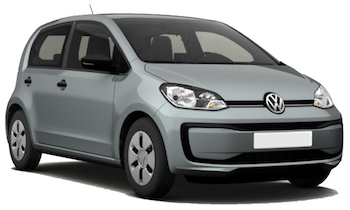
-
Green Motion From£ 5 /day -
Air Rent a Car From£ 5 /day -
Avant Car From£ 8 /day
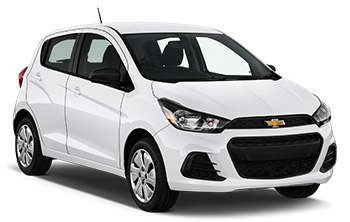
-
Green Motion From£ 5 /day
-
Green Motion From£ 8 /day -
Air Rent a Car From£ 9 /day -
Active Car Rental From£ 10 /day
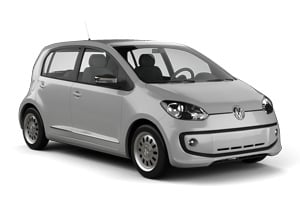
-
SurPrice car rentals From£ 5 /day -
Green Motion From£ 5 /day -
ORYX Rent A Car From£ 11 /day
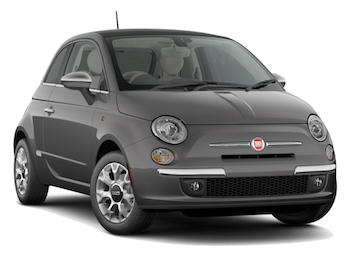
-
Green Motion From£ 5 /day -
OK Mobility From£ 6 /day -
Carwiz rent a car From£ 6 /day
-
Green Motion From£ 9 /day -
addCarRental From£ 12 /day -
Carwiz rent a car From£ 13 /day
-
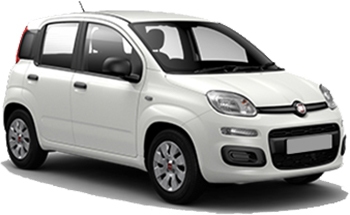
SurPrice car rentals From£ 6 /day -
Carwiz rent a car From£ 7 /day -
Garage No1 From£ 7 /day
-
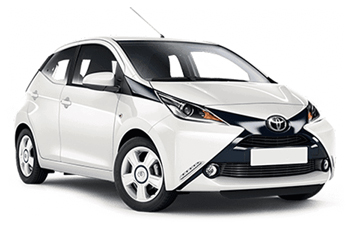
OK Mobility From£ 6 /day -
Garage No1 From£ 7 /day -
FireFly Car Rental From£ 12 /day
-
Green Motion From£ 9 /day
-
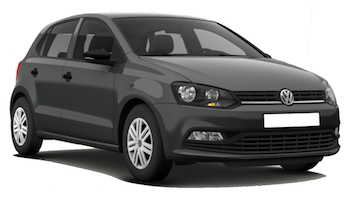
Air Rent a Car From£ 6 /day -
Avant Car From£ 9 /day -
Active Car Rental From£ 11 /day
-
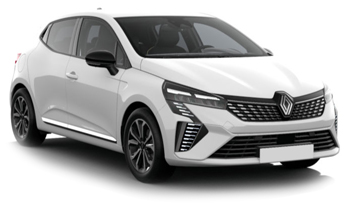
Green Motion From£ 6 /day -
SurPrice car rentals From£ 6 /day -
Carwiz rent a car From£ 7 /day
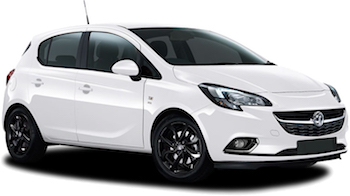
-
Green Motion From£ 10 /day -
Avant Car From£ 11 /day -
Garage No1 From£ 13 /day
-
Green Motion From£ 6 /day -
SurPrice car rentals From£ 6 /day -
Goldcar From£ 8 /day
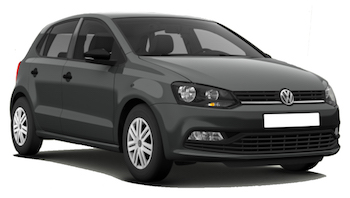
-
Green Motion From£ 6 /day -
Carwiz rent a car From£ 7 /day -
Garage No1 From£ 7 /day
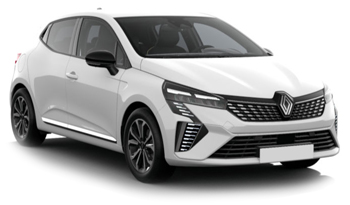
-
Green Motion From£ 10 /day -
SurPrice car rentals From£ 12 /day -
Alamo From£ 13 /day
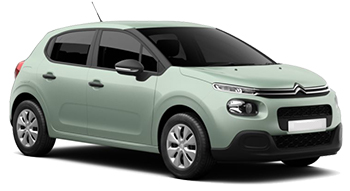
-
OK Mobility From£ 7 /day -
Goldcar From£ 8 /day -
Alamo From£ 13 /day
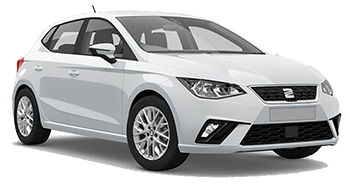
-
OK Mobility From£ 7 /day -
Budget From£ 14 /day -
SurPrice car rentals From£ 77 /day
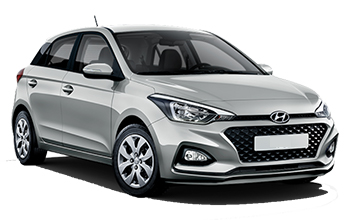
-
Garage No1 From£ 10 /day -
addCarRental From£ 17 /day -
Alamo From£ 19 /day
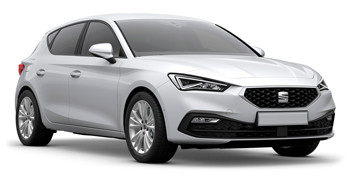
-
Air Rent a Car From£ 7 /day -
Garage No1 From£ 12 /day -
Active Car Rental From£ 14 /day
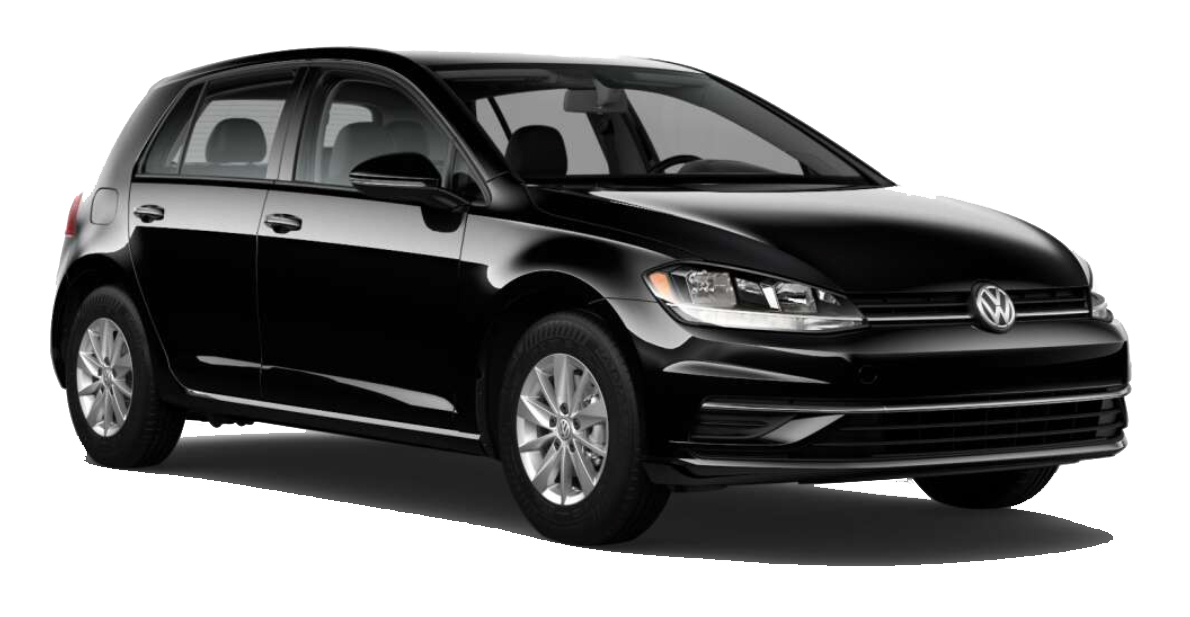
-
Air Rent a Car From£ 7 /day -
Avant Car From£ 12 /day -
Active Car Rental From£ 14 /day
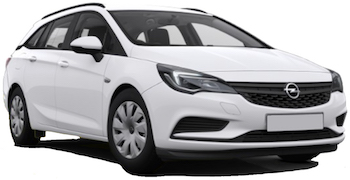
-
Green Motion From£ 11 /day -
Avant Car From£ 14 /day -
Autounion Car Rental From£ 15 /day
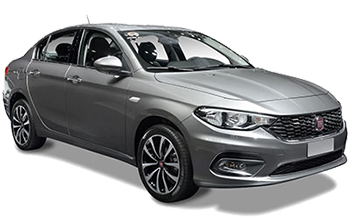
-
addCarRental From£ 7 /day
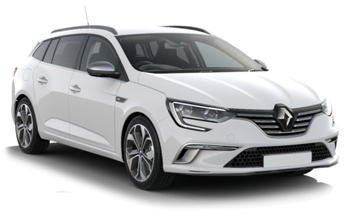
-
SurPrice car rentals From£ 8 /day -
Carwiz rent a car From£ 9 /day -
OK Mobility From£ 10 /day
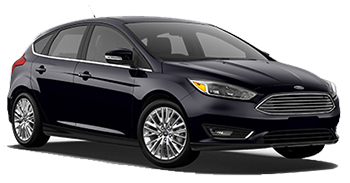
-
Garage No1 From£ 13 /day -
Green Motion From£ 13 /day -
Autounion Car Rental From£ 15 /day
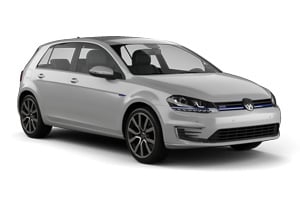
-
Goldcar From£ 8 /day -
Carwiz rent a car From£ 9 /day -
Green Motion From£ 9 /day
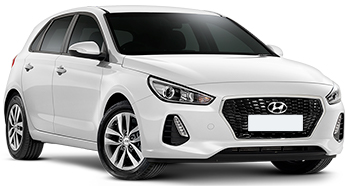
-
Goldcar From£ 8 /day -
FireFly Car Rental From£ 24 /day
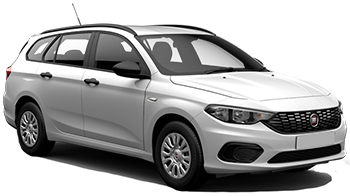
-
addCarRental From£ 13 /day
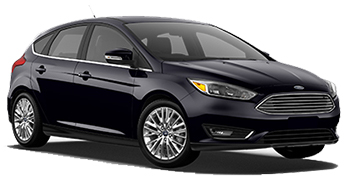
-
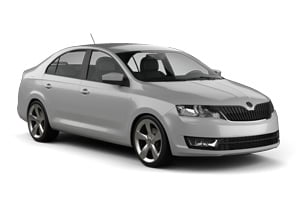
SurPrice car rentals From£ 9 /day
-
Air Rent a Car From£ 10 /day -
Active Car Rental From£ 19 /day
-
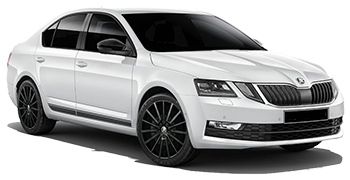
SurPrice car rentals From£ 13 /day
-
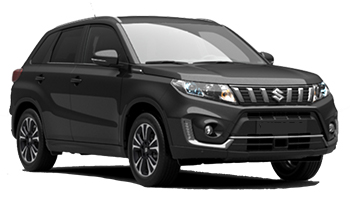
Green Motion From£ 12 /day -
ORYX Rent A Car From£ 15 /day -
Avant Car From£ 17 /day
-
Green Motion From£ 12 /day -
ABC Rent a car From£ 22 /day
-
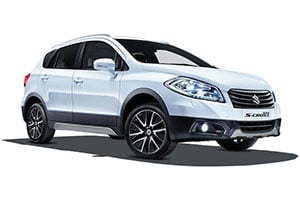
Air Rent a Car From£ 14 /day -
Active Car Rental From£ 39 /day
-
addCarRental From£ 12 /day -
ABC Rent a car From£ 21 /day
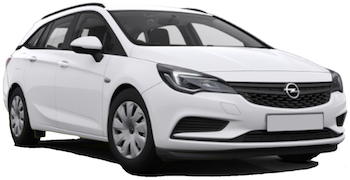
-
SurPrice car rentals From£ 13 /day
-
Green Motion From£ 14 /day -
ORYX Rent A Car From£ 17 /day -
Avant Car From£ 18 /day
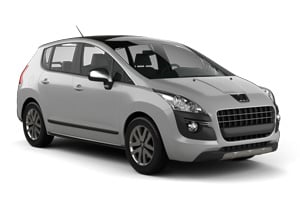
-
OK Mobility From£ 17 /day
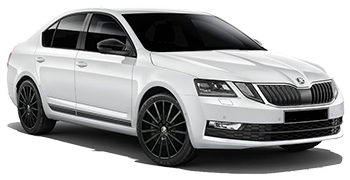
-
SurPrice car rentals From£ 22 /day -
Carwiz rent a car From£ 26 /day -
Avant Car From£ 31 /day
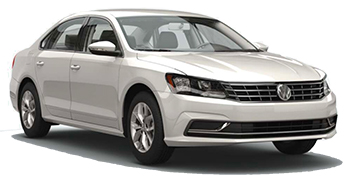
-
Green Motion From£ 23 /day -
Avant Car From£ 32 /day -
Carwiz rent a car From£ 36 /day
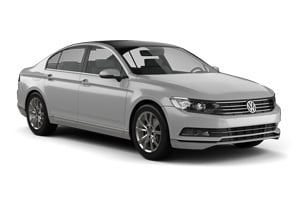
-
Green Motion From£ 23 /day -
Avant Car From£ 28 /day -
Carwiz rent a car From£ 31 /day
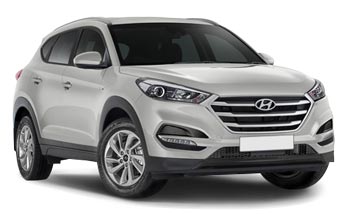
-
Avant Car From£ 25 /day
-
Avant Car From£ 25 /day
-
OK Mobility From£ 25 /day
-
SurPrice car rentals From£ 26 /day -
Carwiz rent a car From£ 30 /day -
Avant Car From£ 35 /day
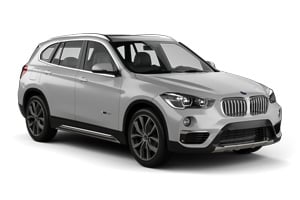
-
Carwiz rent a car From£ 27 /day -
OK Mobility From£ 30 /day -
Green Motion From£ 41 /day
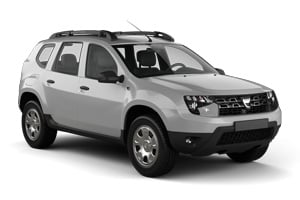
-
SurPrice car rentals From£ 12 /day
-
addCarRental From£ 13 /day
-
SurPrice car rentals From£ 16 /day
-
addCarRental From£ 18 /day
-
OK Mobility From£ 27 /day -
Avant Car From£ 33 /day -
Sixt From£ 44 /day
-
OK Mobility From£ 27 /day
-
Green Motion From£ 31 /day
-
Green Motion From£ 29 /day
-
Carwiz rent a car From£ 36 /day -
Sixt From£ 47 /day
-
Avis From£ 34 /day
-
Avis From£ 34 /day
-
Green Motion From£ 38 /day -
Avis From£ 43 /day -
Budget From£ 44 /day
-
Keddy By Europcar From£ 39 /day -
Sixt From£ 41 /day -
Europcar From£ 45 /day
-
Sixt From£ 41 /day -
Keddy By Europcar From£ 43 /day -
Green Motion From£ 51 /day
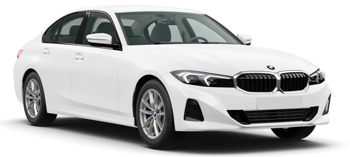
-
Carwiz rent a car From£ 39 /day -
Sixt From£ 41 /day -
Green Motion From£ 45 /day
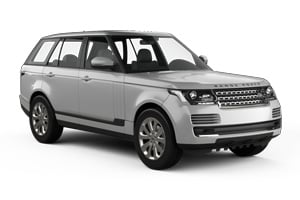
-
Alamo From£ 42 /day
-
Alamo From£ 41 /day
-
Green Motion From£ 42 /day -
Avis From£ 46 /day -
Budget From£ 50 /day
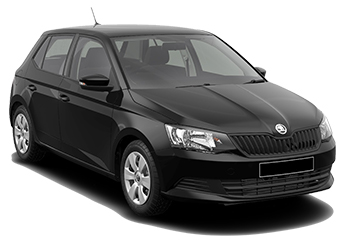
-
Green Motion From£ 9 /day
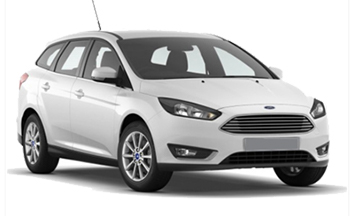
-
Green Motion From£ 10 /day -
Flizzr From£ 13 /day -
Sixt From£ 18 /day
-
Green Motion From£ 13 /day -
Sixt From£ 18 /day -
Unirent Car Rental From£ 27 /day
-
OK Mobility From£ 10 /day -
Carwiz rent a car From£ 13 /day -
Alamo From£ 17 /day
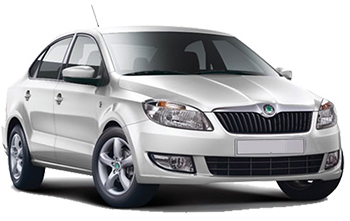
-
Air Rent a Car From£ 10 /day
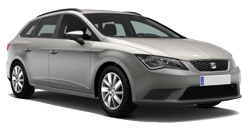
-
Garage No1 From£ 15 /day -
Active Car Rental From£ 20 /day
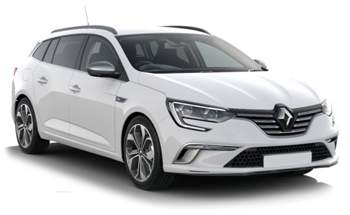
-
OK Mobility From£ 10 /day
-
addCarRental From£ 11 /day
-
Air Rent a Car From£ 15 /day
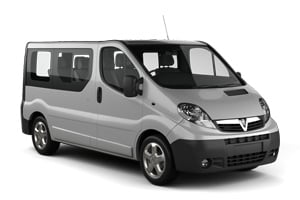
-
SurPrice car rentals From£ 40 /day -
Green Motion From£ 43 /day -
Sixt From£ 43 /day
-
Green Motion From£ 45 /day -
SurPrice car rentals From£ 45 /day -
Sixt From£ 47 /day
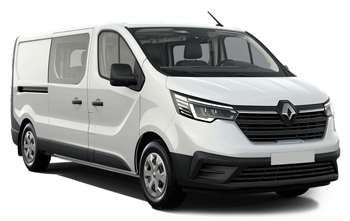
-
Enterprise From£ 45 /day -
Alamo From£ 52 /day -
Autounion Car Rental From£ 53 /day
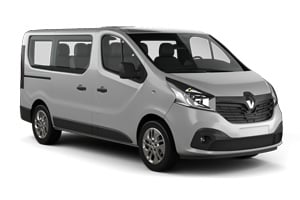
-
Alamo From£ 47 /day -
Enterprise From£ 49 /day -
OK Mobility From£ 58 /day
-
Enterprise From£ 48 /day -
Alamo From£ 52 /day -
Autounion Car Rental From£ 53 /day
-
Alamo From£ 53 /day -
Enterprise From£ 55 /day -
Autounion Car Rental From£ 60 /day
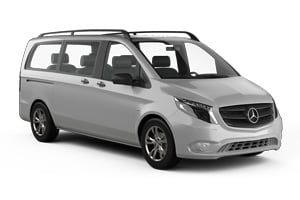
-
Green Motion From£ 54 /day -
Budget From£ 80 /day -
Avis From£ 84 /day
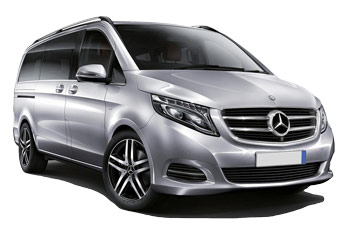
-
Enterprise From£ 56 /day -
Alamo From£ 59 /day -
Sixt From£ 64 /day
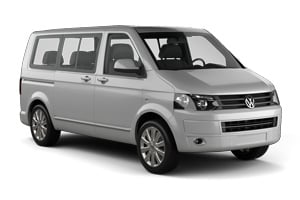
-
Avant Car From£ 57 /day
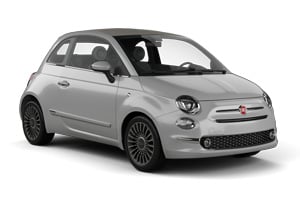
-
OK Mobility From£ 11 /day
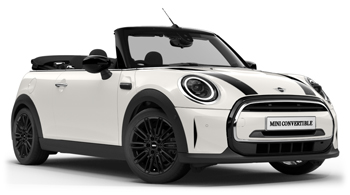
-
Green Motion From£ 34 /day
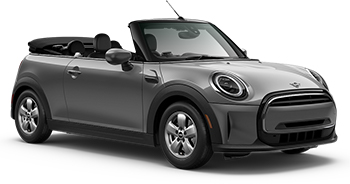
-
Sixt From£ 46 /day
-
Sixt From£ 40 /day
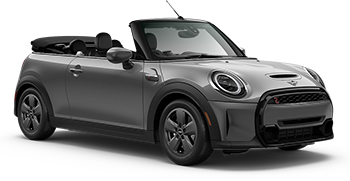
-
Sixt From£ 51 /day
-
Sixt From£ 46 /day
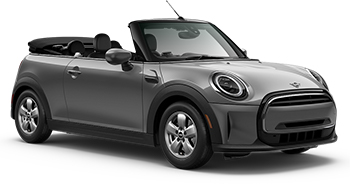
-
Green Motion From£ 72 /day
-
Green Motion From£ 69 /day
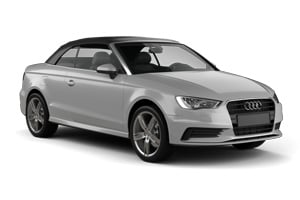
-
Active Car Rental From£ 117 /day
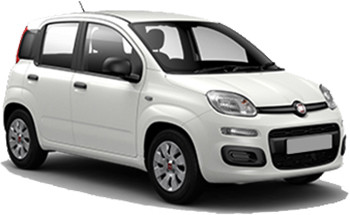
-
addCarRental From£ 8 /day
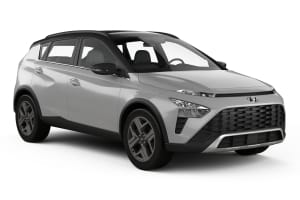
-
Goldcar From£ 9 /day -
Thrifty From£ 35 /day
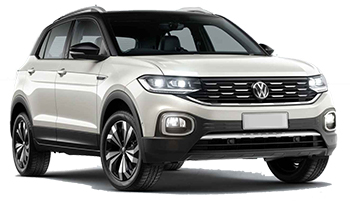
-
Garage No1 From£ 13 /day -
Avant Car From£ 16 /day -
Keddy By Europcar From£ 17 /day
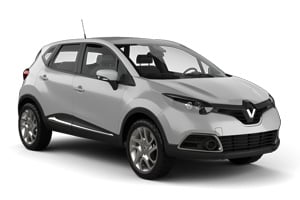
-
Carwiz rent a car From£ 9 /day -
SurPrice car rentals From£ 9 /day -
Flizzr From£ 13 /day
-
Garage No1 From£ 10 /day -
Avant Car From£ 12 /day -
Goldcar From£ 13 /day
-
addCarRental From£ 14 /day
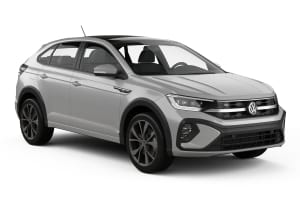
-
Green Motion From£ 10 /day -
Goldcar From£ 11 /day -
Carwiz rent a car From£ 13 /day
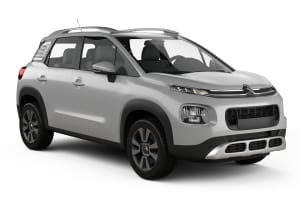
-
OK Mobility From£ 11 /day -
Goldcar From£ 24 /day
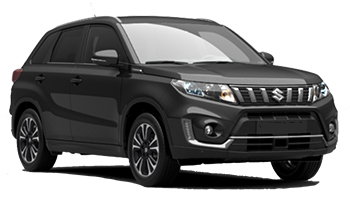
-
Green Motion From£ 15 /day -
Alamo From£ 17 /day -
Enterprise From£ 17 /day
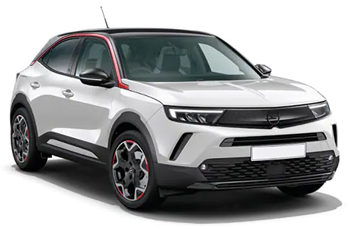
-
Garage No1 From£ 32 /day
-
Garage No1 From£ 33 /day
-
Garage No1 From£ 37 /day
-
Thrifty From£ 40 /day
-
Thrifty From£ 45 /day
-
Garage No1 From£ 59 /day
Popular cities in Croatia



When to book a rental car in Croatia
Croatia - When is the most affordable time to rent a mini class car?
At this destination (Croatia), January is the most affordable time to rent a mini class car with an average daily rate of
Croatia - When is the most affordable time to rent a economy class car?
At this destination (Croatia), January is the most affordable time to rent a economy class car with an average daily rate of
Croatia - When is the most affordable time to rent a compact class car?
At this destination (Croatia), January is the most affordable time to rent a compact class car with an average daily rate of
Croatia - When is the most affordable time to rent an intermediate class car?
At this destination (Croatia), March is the most affordable time to rent a intermediate class car with an average daily rate of
Croatia - When is the most affordable time to rent a standard class car?
At this destination (Croatia), March is the most affordable time to rent a standard class car with an average daily rate of
Croatia - When is the most affordable time to rent a full-size car?
At this destination (Croatia), January is the most affordable time to rent a full-size class car with an average daily rate of
Croatia - When is the most affordable time to rent a luxury car?
At this destination (Croatia), January is the most affordable time to rent a luxury class car with an average daily rate of
Croatia - When is the most affordable time to rent a station wagon?
At this destination (Croatia), January is the most affordable time to rent a station wagon with an average daily rate of
Croatia - When is the most affordable time to rent a SUV?
At this destination (Croatia), March is the most affordable time to rent an SUV with an average daily rate of
Croatia - When is the most affordable time to rent a MPV?
At this destination (Croatia), January is the most affordable time to rent an mpv with an average daily rate of
Croatia - When is the most affordable time to rent a minivan?
At this destination (Croatia), January is the most affordable time to rent a minibus with an average daily rate of
Croatia - When is the most affordable time to rent a convertible?
At this destination (Croatia), January is the most affordable time to rent a convertible with an average daily rate of
Croatia - When is the most affordable time to rent a sedan?
At this destination (Croatia), April is the most affordable time to rent a sedan with an average daily rate of
Croatia Guide
Croatia is best explored by rental car. Carrentals.co.uk has over 41 pick-up locations in Croatia. This means there is always a pick-up location close to your destination.
Most popular car hire locations in Croatia
Driving
Since the devastating War of Independence ended in 1995, Croatia has regained its former glory and is now a happening global holiday destination. A pleasing fusion of ancient cities, including fabulous Dubrovnik, pristine beaches and natural attractions such as Plitvice National Park are among the delights for people touring Croatia by car.
Driving Tips for Croatia
Roads in Croatia are in reasonable states but once off the beaten track, routes are narrow and bendy, and drivers should proceed with caution. Local drivers tend to overtake when it is imprudent to do so. Drivers are required to have dipped headlights on in daylight hours between the end of October and the end of March.
Driving licences: holders of valid UK driving licences can drive here for up to six months from the date they enter the country.
Which side does Croatia drive on: the right.
Speed limits:
Motorways: 81mph (130kph)
National highways: 69mph (110kph)
Rural highways: 56mph (90kph)
Cities and towns: 31mph (50kph)
Alcohol limits: 0.05 per cent, which is lower than the UK’s permitted 0.08 per cent, but zero tolerance applies to anyone contravening traffic laws. Police breathalyser tests are common and offenders are fined.
Driving age: 18 years.
Seatbelts: are obligatory for drivers and all passengers.
Mobile phones and GPS: driving and using a mobile phone is banned here unless it has a hands-free kit. Dashboard mounted GPS units are allowed.
Cost of fuel in Croatia: a little cheaper than in the UK.
Car hire and fuel payment: most petrol stations accept credit card payment. Credit cards can also be used to pay for car hire. Pre-bookings usually require customers to produce the card they paid with upon vehicle pick up.
Insurance: all car rentals come with basic third-party liability insurance but it is better to add cover for damage and theft.
Traffic and parking: Zagreb, Dubrovnik and other city tourism hot spots have ample car parks and metered street parking. While traffic in major cities isn’t an issue, speeding trams and narrow streets in Zagreb can make driving difficult. Routes to the coast are busy on weekends during the summer months.
Transport
Trains
Croatia has direct train services from Slovenia, Austria, Hungary, Serbia and Bosnia and Herzegovina. The national rail network has over 1,800 miles (3,000kms) of track which links most locations in the country apart from Dubrovnik. Hrvatske Zeljeznice is the national rail operator. A typical fare from Zagreb to Zadar on the Dalmatian Coast is £18.
Taxis
Taxis are convenient for late night travel in the big cities, but are relatively expensive when compared to buses and trams. Taxis can be hailed on the street or booked by telephone. The flag fare for the first two kilometres in a Zagreb taxi is £1.60, with each subsequent kilometre travelled priced at around £0.50. Drivers expect passengers to add a 10 per cent tip to the fare.
Buses
There are international buses from neighbouring countries. Buses from Bosnia and Herzegovina and Montenegro terminate in Dubrovnik or Split, while those from Hungary and Serbia terminate at Osijek. There are also services from Venice in Italy to Pula. Split-Mostar is one of the companies operating on routes to Split. Croatia itself has a comprehensive and efficient bus network. A single ticket for the 220 mile (350km) journey from Split to Rijeka is around £18.
Ferries
There are ferries to Croatia from the Italian ports of Bari, Ancona and Pescara. National ferry company Jadrolinija operates some of the trans-Adriatic services as well as domestic ones linking Rijeka and Dubrovnik, which call at ports such as Split, Hvar and Korcula. There are ferries and taxi speedboats from Split and Hvar to the Dalmatian islands.
Airports
Zagreb Airport is the country’s primary international air gateway. There are also smaller airports in Rijeka, Dubrovnik, Pula, Zadar and Osijek. British Airways, Croatia Airlines and EasyJet fly to Zagreb from London’s Heathrow and Gatwick airports. Internal flights are much more costly than bus or train fares. A Zagreb to Dubrovnik airfare with Croatia Airlines is around £120.
Explore
Exploring Croatia
Zagreb is the Croatian capital and first port of call for many visitors. The city’s archaeological museum, Strossmayer's Walkway, the medieval Upper Town and the superb nightlife are among the main draws. Jarun Lake and the picturesque village of Remete are two of the many vehicle-accessible sights nearby.
Plitvice Lakes National Park is on the main route linking Zagreb and the Adriatic Sea coast. Sixteen turquoise-hued lakes, majestic waterfalls and villages where traditional dances and customs are adhered to ensure the park remains firmly on the itineraries of independent travellers.
Dubrovnik is a vibrant city that is packed with historic attractions, including the old Stari Grad city quarter, the opulent Sponza Palace and Lovrijenac Fort. Beaches including Banje and Babin Kuk ensure sun-seekers and youngsters are well catered for.
Opatija in the west epitomises a 19th century seaside resort, with mansions and beautiful parks lining the coast here. The principal draws here are St Jakov's Church and the Lungomare promenade. The city of Rijeka is an easy drive or bus ride away.
Our Travel Editor’s Recommended Drives
Adriatic coastal route - the Jadranska Magistrala is said by many to be the ultimate Croatian road trip and runs parallel with the Adriatic shoreline for over 300 miles (500kms) from Rijeka to Dubrovnik, taking in picturesque hamlets, gorgeous mountain vistas and some of the nation’s finest beach towns along the way.
Zadar to the pristine lakes at Plitvice – from ancient Zadar, the Jadranska Magistrala leaves the Adriatic. Here, drivers can take the fork at Licko Lesce for Plitvice Lakes National Park. Plenty of accommodation options in the park allow visitors to absorb the gorgeous terrain, hiking and great outdoors.
The best of Dalmatia - north of Dubrovnik it is an easy trip to the port for ferries across to Korcula Island. The route’s proximity to the coast offers wonderful views of the Adriatic and the islets that dot its surface. Medieval Ston and wineries are great rest points.
Historic castle odyssey - in the northern regions of the nation, the rounded towers of the 14th century castle at Varazdin give a tantalising taste of Trakoscan and Cakovec castles and other such fairytale-like structures in this region of the Zagorje Mountains.
Holidays and Festivals
New Year’s Day (1 January)
Epiphany (6 January)
Easter Sunday and Monday (March/April)
Labour Day (1 May)
Anti-Fascism Day (22 June)
National Statehood Day (25 June)
Thanksgiving Day (5 August)
Assumption of Mary Feast Day (15 August) Independence Day (8 October)
All Saints’ Day (1 November)
Christmas Day (25 December)
St Stephen's Day (26 December)
Weather
Croatian seaside locations experience archetypal Mediterranean weather. Summers tend to be hot and the thermometer often hits 39ºC in July and August. Spring and autumn are warm, but not overly hot, while winters are rainy, with temperatures dropping to around 7°C. It is colder inland where January temperatures hover between -10ºC and 5ºC.
Practical Stuff
Croatia Travel Tips
UK travellers are drawn to Croatia by its great beaches, nightlife and historic cities. The travel option with the most freedom is self-drive. A little preparation beforehand can help the trip go smoothly and here are a few tips.
Croatia contact numbers
Country code - (+385)
British Embassy, Zagreb – +385 1 6009 100
British Honorary Consulate, Split - +385 21 346007
Emergency services - 112
Emergency roadside assistance - 987
Money matters
Croatia has not adopted the euro yet and so the kuna is still its official currency. It is possible to use euro at tourist spots but it is easier and more convenient to get kuna at exchange kiosks or banks. Cash machines are fairly common and visitors with MasterCard or Visa credit cards can get cash advances from them. ATMs also accept Maestro, Visa Electron and Cirrus debit cards.
Health and safety
There are no specific vaccinations required for visits to Croatia. There is a slight risk of encephalitis in rural and mountainous districts. Trekkers and campers should cover their arms and legs, and put insect repellent on exposed areas of skin, especially if in eastern Slavonia. Tap water is potable and rated by many as the cleanest in Europe.
Fitting in…
Croatians are formal people and handshake greetings as well as the use of honorifics and surnames are still common. Although Croatians seem to speak directly, this is not a sign of rudeness, but just a national mannerism. The recent Balkan War is still a touchy subject so it is better to avoid mentioning it if possible.
Visas for Croatia
British citizens do not need a visa for entry to Croatia and are given a 90-day stay upon arrival, providing their passports are valid for three months from their proposed departure date. EU nationals can use their ID cards to enter if they wish.
Electricity
Croatia’s electricity supply is 220-240 Volts and UK appliances work here. Electrical sockets are two-pin and take either Schuko plugs or Russian earthless Europlugs. Visitors with three-pin appliances need an adaptor plug, which is available from travel shops and airports in the UK.
Business hours
Businesses and banks: 07:00 to 19:00, Monday to Friday
Government offices: 08:00 to 16:00, Monday to Friday
Shops: 08:00 to 20:00 or 22:00, Monday to Saturday
Helpful phrases
Hva-la – Thank-you
Goh-vor-ree-teh lee En-gless-kee? - Do you speak English?
Zdra-vaw or bawg – Hello
Do-videnja - Goodbye
Maw-leem - Please
Da - Yes
Ne – No
Gdye-ye… ? – Where is… ?
Koh-lee-koh kohsh-tah… ? – How much is… ?
Oo-poh-mohch! – Help!
Practical information
-
CurrencyCroatian kuna
-
Driving directionRight
-
City speed limit50 km/h
-
Freeway speed limit90 km/h
-
LanguageCroatian
-
Popular car categoryEconomy
What most people want to know
The following questions and answers are a selection of the most popular questions. If you do not find the answer to your question, have a look at the Frequently Asked Questions page or contact us.
- Garage No1
- Alamo
- Unirent Car Rental
- Hertz
- Thrifty
- ORYX Rent A Car
- Europcar
- Enterprise
- Avis
- Nova Rent a Car
- Keddy By Europcar
- FireFly Car Rental
- Autounion Car Rental
- Green Motion
- Active Car Rental
- Sixt
- OK Mobility
- Fleet Rent a car
- Global Rent a Car
- Carwiz rent a car
- Budget
- addCarRental
- ABC Rent a car
- Air Rent a Car
- Avant Car
- SurPrice car rentals
- Goldcar
- Trophy Rent a Car
- Your Rent
- Flizzr
- NÜ Car Rentals
- McRent
- Nur Rent a car
- Touring Cars
- Abbycar
- Fast Mobility
- Goldcar Key'n Go
- National Car Rental
- InterRent