
- Over 1 million successful rentals
Car Hire Bulgaria
Save time and money. We compare the offers of car rental companies in Bulgaria on your behalf.
- Free cancellation Up to 48 hours prior to the scheduled pick up time
- Best price guarantee Have you found a better price? Let us know and we will make you a better offer.
- Already 500,000+ bookings More than half a million people preceded you 24000+ pick-up locations Locations around the world
- 24000+ pick-up locations Locations around the world
Compare Car Hire
Carrentals.co.uk offers simple and straightforward car hire comparison services. We don't add a penny to your quotes!
Car rental offers in Bulgaria
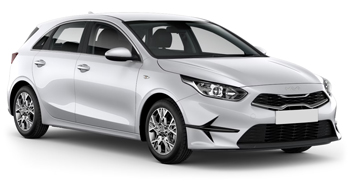
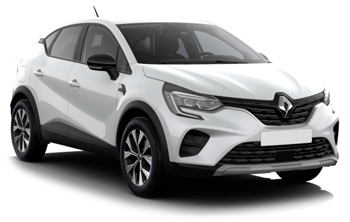
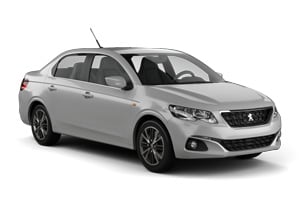
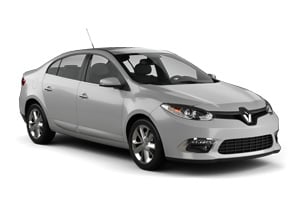
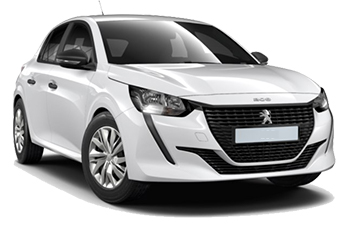
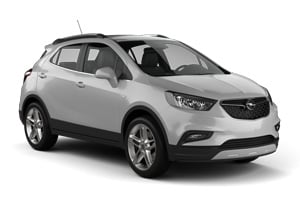
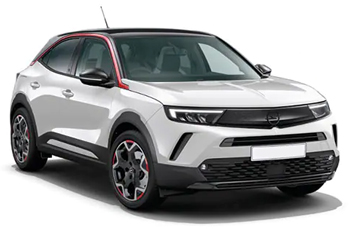
Whether you're looking for a small rental car or a station wagon for the entire family, we will always have a suitable vehicle for the lowest price. Below are some examples from our selection in Bulgaria.
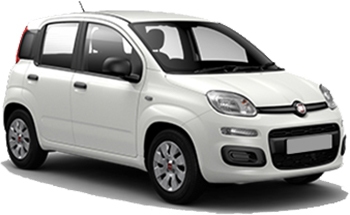
-
SurPrice car rentals From£ 4 /day -
Autounion Car Rental From£ 11 /day
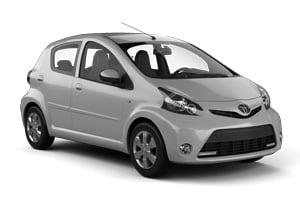
-
Green Rent a car From£ 5 /day -
Green Motion From£ 7 /day
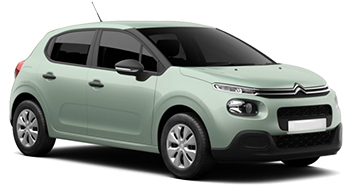
-
Top Rent-a-Car From£ 9 /day
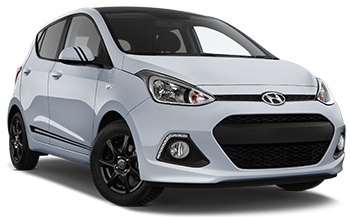
-
Green Motion From£ 6 /day -
CarRent.bg From£ 11 /day -
Thrifty From£ 13 /day
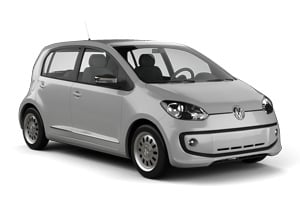
-
Green Motion From£ 6 /day -
Top Rent-a-Car From£ 6 /day -
Autounion Car Rental From£ 11 /day
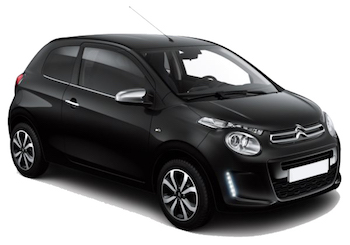
-
Top Rent-a-Car From£ 9 /day
-
Top Rent-a-Car From£ 6 /day
-
Top Rent-a-Car From£ 6 /day
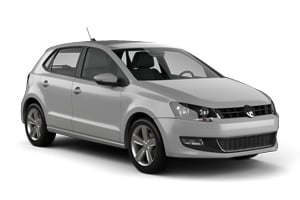
-
First Car From£ 11 /day
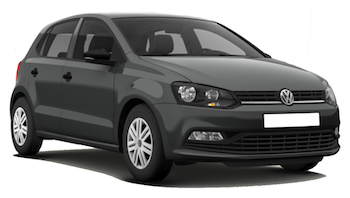
-
SurPrice car rentals From£ 6 /day
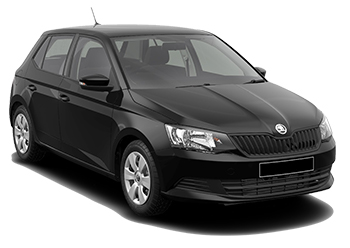
-
Green Motion From£ 6 /day -
Thrifty From£ 13 /day -
Sixt From£ 17 /day
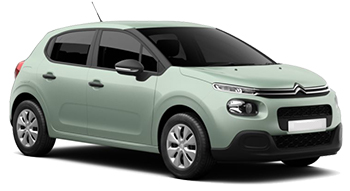
-
Top Rent-a-Car From£ 9 /day -
Green Motion From£ 12 /day -
Europcar From£ 19 /day
-
Green Motion From£ 6 /day -
Top Rent-a-Car From£ 7 /day -
Goldcar From£ 7 /day
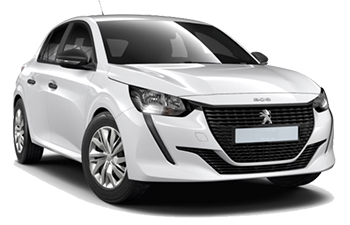
-
Green Motion From£ 6 /day -
Top Rent-a-Car From£ 8 /day -
Autounion Car Rental From£ 12 /day
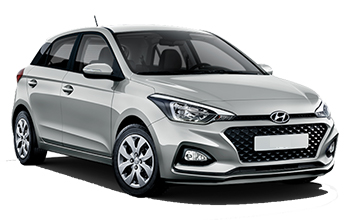
-
Top Rent-a-Car From£ 9 /day -
Green Motion From£ 16 /day -
Thrifty From£ 21 /day
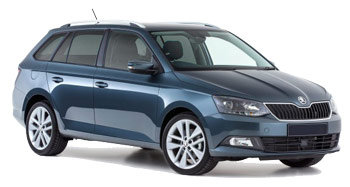
-
Green Motion From£ 6 /day
-
Top Rent-a-Car From£ 7 /day -
Green Motion From£ 8 /day -
Thrifty From£ 17 /day
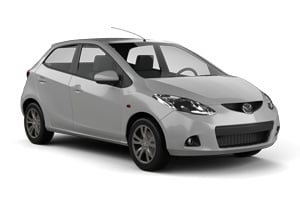
-
First Car From£ 11 /day
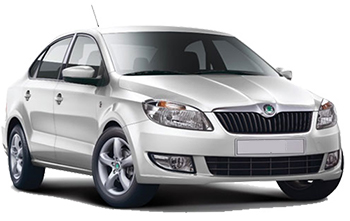
-
SurPrice car rentals From£ 6 /day
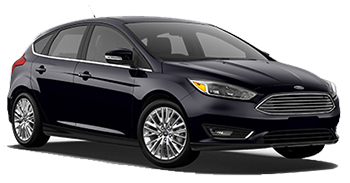
-
Green Motion From£ 9 /day -
CarRent.bg From£ 12 /day -
Autounion Car Rental From£ 13 /day
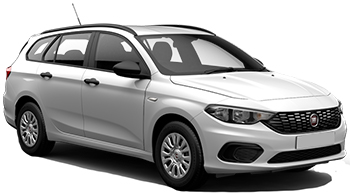
-
First Car From£ 12 /day
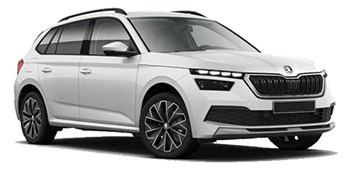
-
Green Motion From£ 9 /day
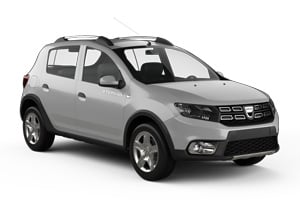
-
Green Motion From£ 9 /day
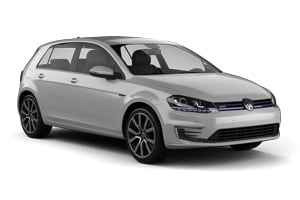
-
First Car From£ 12 /day
-
Green Motion From£ 9 /day -
Goldcar From£ 9 /day -
First Car From£ 10 /day
-
Green Motion From£ 9 /day -
Sixt From£ 29 /day
-
Green Motion From£ 12 /day -
Alamo From£ 18 /day -
Enterprise From£ 21 /day
-
CarRent.bg From£ 9 /day
-
SurPrice car rentals From£ 10 /day -
CarRent.bg From£ 13 /day
-
Green Motion From£ 14 /day -
Autounion Car Rental From£ 26 /day -
Europcar From£ 31 /day
-
SurPrice car rentals From£ 10 /day
-
Green Motion From£ 12 /day -
CarRent.bg From£ 13 /day -
Autounion Car Rental From£ 18 /day
-
Top Rent-a-Car From£ 14 /day -
Green Rent a car From£ 20 /day -
Green Motion From£ 24 /day
-
Top Rent-a-Car From£ 12 /day -
Green Rent a car From£ 15 /day -
Green Motion From£ 15 /day
-
CarRent.bg From£ 13 /day
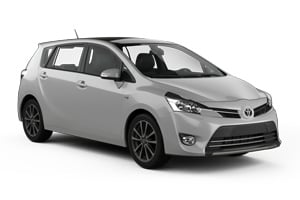
-
First Car From£ 16 /day
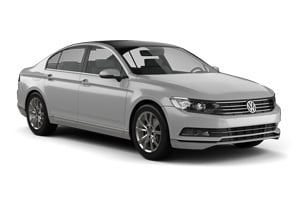
-
SurPrice car rentals From£ 11 /day -
Europcar From£ 32 /day -
Green Motion From£ 62 /day
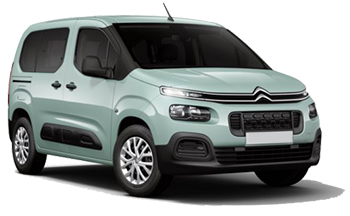
-
CarRent.bg From£ 13 /day
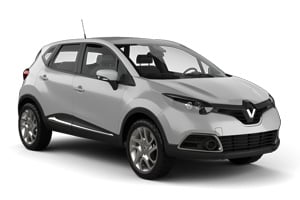
-
First Car From£ 14 /day
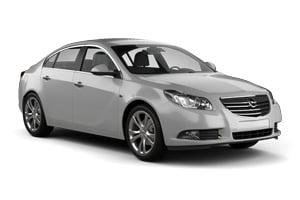
-
First Car From£ 14 /day
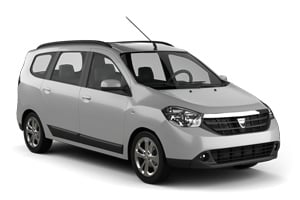
-
CarRent.bg From£ 14 /day
-
SurPrice car rentals From£ 17 /day -
Europcar From£ 40 /day -
Green Motion From£ 73 /day
-
First Car From£ 14 /day
-
First Car From£ 19 /day
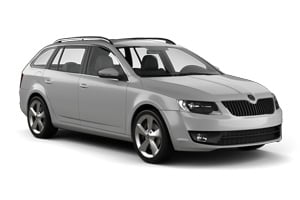
-
First Car From£ 16 /day
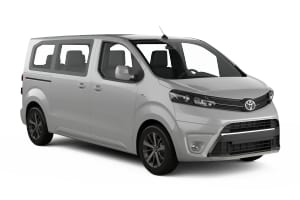
-
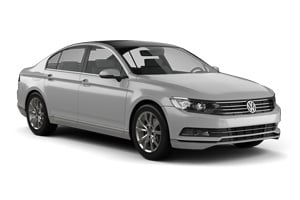
CarRent.bg From£ 20 /day
-
Top Rent-a-Car From£ 20 /day -
Sixt From£ 47 /day
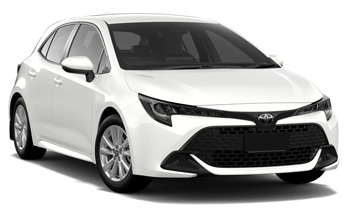
-
Green Rent a car From£ 30 /day
-
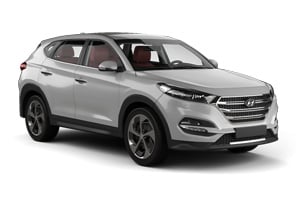
Green Rent a car From£ 24 /day
-
CarRent.bg From£ 25 /day
-
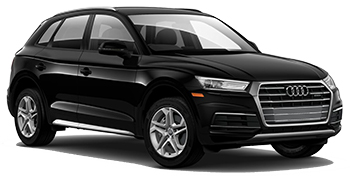
Top Rent-a-Car From£ 32 /day -
Sixt From£ 52 /day
-
SurPrice car rentals From£ 26 /day
-
Top Rent-a-Car From£ 28 /day
-
SurPrice car rentals From£ 33 /day
-
CarRent.bg From£ 31 /day
-
Top Rent-a-Car From£ 34 /day
-
Top Rent-a-Car From£ 39 /day
-
CarRent.bg From£ 35 /day
-
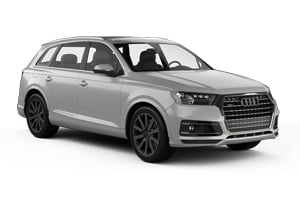
SurPrice car rentals From£ 73 /day
-
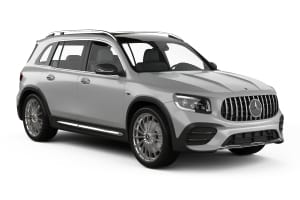
CarRent.bg From£ 47 /day
-
SurPrice car rentals From£ 66 /day
-
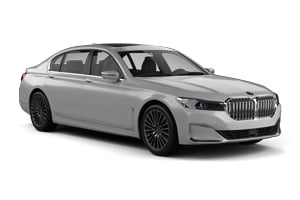
SurPrice car rentals From£ 75 /day
-
SurPrice car rentals From£ 67 /day
-
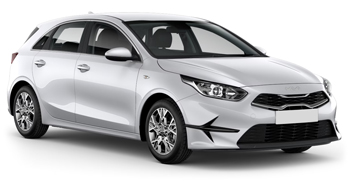
Green Motion From£ 6 /day
-
Green Motion From£ 9 /day -
First Car From£ 10 /day -
Goldcar From£ 14 /day
-
First Car From£ 12 /day
-
First Car From£ 9 /day
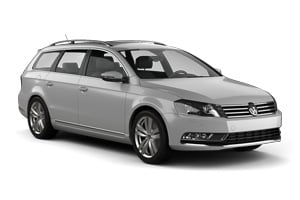
-
SurPrice car rentals From£ 11 /day -
Top Rent-a-Car From£ 25 /day -
Green Motion From£ 62 /day
-
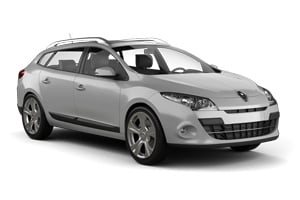
First Car From£ 13 /day -
Green Motion From£ 17 /day -
Sixt From£ 28 /day
-
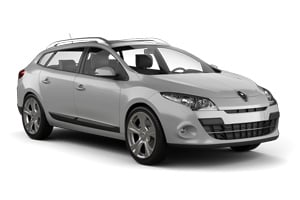
CarRent.bg From£ 11 /day
-
CarRent.bg From£ 12 /day
-
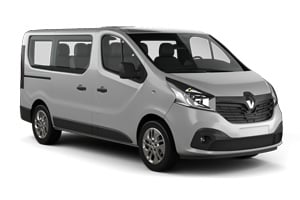
SurPrice car rentals From£ 17 /day -
Top Rent-a-Car From£ 32 /day -
Green Motion From£ 73 /day
-
SurPrice car rentals From£ 25 /day -
Green Motion From£ 35 /day -
First Car From£ 38 /day
-
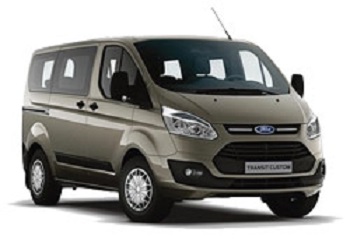
Top Rent-a-Car From£ 30 /day
-
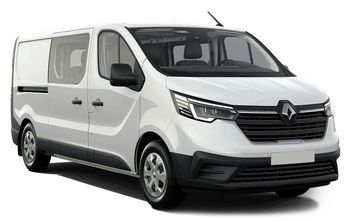
SurPrice car rentals From£ 35 /day -
First Car From£ 43 /day -
Green Motion From£ 43 /day
-
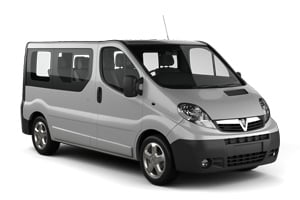
CarRent.bg From£ 35 /day -
Europcar From£ 80 /day
-
Top Rent-a-Car From£ 39 /day
-
First Car From£ 39 /day -
Alamo From£ 55 /day -
Sixt From£ 55 /day
-
First Car From£ 39 /day -
Sixt From£ 62 /day -
Alamo From£ 63 /day
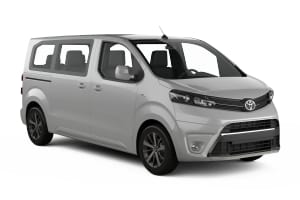
-
Green Motion From£ 46 /day
-
Green Motion From£ 52 /day
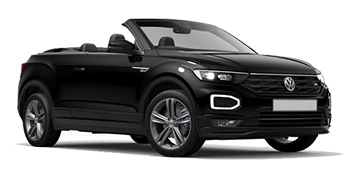
-
Top Rent-a-Car From£ 32 /day
-
Top Rent-a-Car From£ 50 /day
-
Green Motion From£ 9 /day
-
Green Motion From£ 9 /day
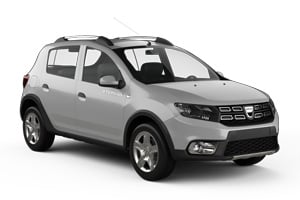
-
Green Motion From£ 16 /day
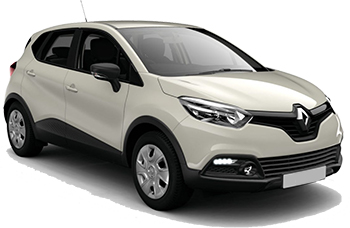
-
Green Motion From£ 9 /day
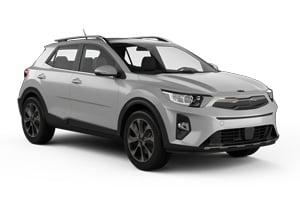
-
Green Motion From£ 9 /day -
Alamo From£ 17 /day -
Enterprise From£ 18 /day
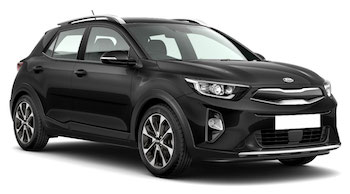
-
Green Motion From£ 16 /day -
Alamo From£ 20 /day -
Enterprise From£ 23 /day
-
SurPrice car rentals From£ 10 /day
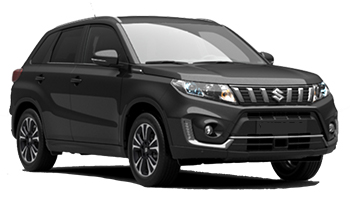
-
First Car From£ 13 /day -
Alamo From£ 21 /day -
Enterprise From£ 22 /day
-
SurPrice car rentals From£ 17 /day
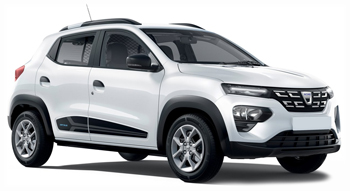
-
Top Rent-a-Car From£ 14 /day -
Green Motion From£ 38 /day
-
Top Rent-a-Car From£ 16 /day
-
Top Rent-a-Car From£ 18 /day -
Green Motion From£ 46 /day
-
Top Rent-a-Car From£ 19 /day
-
Top Rent-a-Car From£ 20 /day
-
Top Rent-a-Car From£ 20 /day
-
Top Rent-a-Car From£ 34 /day

-
Top Rent-a-Car From£ 26 /day
Popular cities in Bulgaria



When to book a rental car in Bulgaria
Bulgaria - When is the most affordable time to rent a mini class car?
At this destination (Bulgaria), November is the most affordable time to rent a mini class car with an average daily rate of
Bulgaria - When is the most affordable time to rent a economy class car?
At this destination (Bulgaria), November is the most affordable time to rent a economy class car with an average daily rate of
Bulgaria - When is the most affordable time to rent a compact class car?
At this destination (Bulgaria), November is the most affordable time to rent a compact class car with an average daily rate of
Bulgaria - When is the most affordable time to rent an intermediate class car?
At this destination (Bulgaria), November is the most affordable time to rent a intermediate class car with an average daily rate of
Bulgaria - When is the most affordable time to rent a standard class car?
At this destination (Bulgaria), November is the most affordable time to rent a standard class car with an average daily rate of
Bulgaria - When is the most affordable time to rent a full-size car?
At this destination (Bulgaria), October is the most affordable time to rent a full-size class car with an average daily rate of
Bulgaria - When is the most affordable time to rent a luxury car?
At this destination (Bulgaria), June is the most affordable time to rent a luxury class car with an average daily rate of
Bulgaria - When is the most affordable time to rent a station wagon?
At this destination (Bulgaria), November is the most affordable time to rent a station wagon with an average daily rate of
Bulgaria - When is the most affordable time to rent a SUV?
At this destination (Bulgaria), November is the most affordable time to rent an SUV with an average daily rate of
Bulgaria - When is the most affordable time to rent a MPV?
At this destination (Bulgaria), October is the most affordable time to rent an mpv with an average daily rate of
Bulgaria - When is the most affordable time to rent a minivan?
At this destination (Bulgaria), March is the most affordable time to rent a minibus with an average daily rate of
Bulgaria - When is the most affordable time to rent a convertible?
At this destination (Bulgaria), November is the most affordable time to rent a convertible with an average daily rate of
Bulgaria - When is the most affordable time to rent a sedan?
At this destination (Bulgaria), May is the most affordable time to rent a sedan with an average daily rate of
Car rental locations in Bulgaria
Carrentals.co.uk compares rental car prices at the following destinations
Bulgaria Guide
Bulgaria is best explored by rental car. Carrentals.co.uk has over 7 pick-up locations in Bulgaria. This means there is always a pick-up location close to your destination.
Most popular car hire locations in Bulgaria
Driving
Set between Europe and Asia, exotic Bulgaria is blessed with a long history, rich culture and endless things to see and do. It’s one of Europe’s less visited countries, offering uncrowded attractions as a result. Self-drive in Bulgaria is the best way to get around as it gives the freedom to roam where and when you want, stopping off to admire spectacular views or grab lunch in a remote, traditional village.
Driving Tips for Bulgaria
Having your own transport here is a joy, even though signage is in Cyrillic and locals frequently ignore speed limits and the need to signal. Road conditions range from good to unmarked and poor, but lead to places you’ll be glad you’ve seen.
Driving licences: a UK licence is enough, but an International Driving Permit is recommended.
Which side does Bulgaria drive on: the right
Speed limits:
Motorways: 80mph (130kph)
Single carriageways: 56mph (90kph)
Built-up areas: 31mph (50kph)
Alcohol limits: drink-driving is a serious offence here, with the limit at 0.05 per cent, which is stricter than the UK limit of 0.08 per cent. Conviction may result in jail time or a heavy fine.
Driving age: 18 years; over 21 if you’re renting a car.
Seatbelts: must be worn by all occupants, and children under 12 years must sit in the back.
Mobile phones and GPS: mobile phone usage is allowed via a hands-free kit and GPS navigation takes care of the Cyrillic road sign problem.
Cost of fuel in Bulgaria: more expensive than in the UK. LPG is available at half the price of diesel and unleaded petrol.
Car hire and fuel payment: most Bulgarian car hire offices accept payment by credit cards as well as cash, although card payments are more convenient if you need to extend your rental term by phone. Petrol stations accept major credit cards.
Insurance: third-party insurance is mandatory and normally inclusive in the car hire price but, given the poor state of rural roads and the local style of driving, fully-comprehensive insurance is best.
Traffic and parking: paid parking zones are the norm in major cities, with ‘pay and display’ car parks easily found. Payment is by meter or to a warden. In suburban and rural areas, parking is usually free. Traffic conditions in Sofia are congested during morning and evening rush hours and on weekends, and the main routes to the Black Sea resorts see heavy traffic on summer weekends.
Transport
Trains
The rail service in Bulgaria is being updated, but is generally in poor condition. Rail is a slow but cheap means of travel, but it’s plagued by delays due to ageing infrastructure, with lines operated by Bulgarian State Railways linking the majority of towns but excluding the mountainous regions of Phodopes and Pirin. Station signage in rural areas uses Cyrillic, making getting about confusing. A one-way ticket to Varna from Sofia costs around £10 for the eight-hour journey, which is cheaper than long-distance bus.
Taxis
Care should be taken when using taxis in Bulgaria as scams and overpricing are the norm, even though city-wide tariffs are standardised. Cabs at airport and rail station ranks are best avoided, with the exception of those at Sofia and Varga airports, which use only contracted licensed taxi firms. The best option for urban taxi travel is to order a cab by phone after checking for reliable companies, the expected cost and the shortest route to your destination. Average taxi fares are around £0.40 per mile.
Buses
Bus travel around Bulgaria is slightly more expensive than travel by train, but is faster and relatively comfortable. All cities and large towns are served, although bus drivers speak little English. In Sofia, buses leave from the Central Bus Station, with Biomet and Grup Plus two of the many bus companies here. The journey between Sofia and Varga takes around five hours and costs around £12. City bus travel can be confusing as the signage is in Cyrillic.
Ferries
Black Sea ferries and hydrofoils link Varna with Sozopol and Nessebar, both popular tourist destinations. Bulgarian Hydrofoil Company provides service and the trip by hydrofoil takes around 1 hour, 30 minutes and costs £40.
Airports
Bulgaria has three international airports offering domestic as well as international routes. Sofia, Bourgas and Varna airports are the main arrival points for UK holidaymakers, with Sofia the most developed and offering a choice of full-service or budget flights from London-Heathrow, London-Gatwick, London-Luton and Manchester. The cost of flights between London and Sofia starts at around £80 depending on the season. Domestic air travel isn’t popular due to the short distances involved but low-cost flights between the capital and Bourgas and Varna are possible for as little as £15.
Explore
Exploring Bulgaria
Most travellers begin their Bulgarian experience in Sofia or one of the Black Sea resorts and explore the countryside and visitor attractions by means of daytrips. The country holds five regions, the Northwest, home to Sofia, the mountainous Southwest, Northern Thrace with its vast plains and Plovdiv city, the Central Northern region with its forests and River Danube, and the Bulgarian Black Sea Coast with its resorts and port cities of Varna and Burgas.
Top tourist destinations include Sofia itself, one of Europe’s oldest cities with hundreds of historic landmarks and cultural sites, pretty parks, great shopping and nightlife. Plovdiv’s ancient heart boasts a Roman amphitheatre, and Rousse is known as ‘Little Vienna’. The beach resort of Varna is infamous for its amazing nightlife, and medieval Nessebar is a UNESCO World Heritage site. The small town of Pirin is set in a stunningly beautiful national park.
The Bulgarian mountain ranges offer great skiing in winter, wildflower-covered slopes in spring and shaded hikes in the forests during the hot summers. The centrally-located Nature Park Bulgarka is popular for its wide range of outdoor sports, and the Central Balkan National Park and Rila National Park are favourites for bird watchers and eco-tourists.
Our Travel Editor’s Recommended Drives
Woodland wonderland – located a comfortable 1 hour, 30 minute drive from Sofia through mysterious forests, historic Plovdiv is accessible from the capital via good roads. Along the way you’ll find great walking and hiking opportunities, and exploring Plovdiv’s many attractions makes for a fun day out. Nearby Asenovgrad is famous for its wineries.
Reach for the Tsars – an onward journey from Plovdiv through the lovely Valley of the Roses leads to the Balkan Mountains’ Shipka Pass and its beautiful Russian Orthodox church. The road leads to Veliko Tarnovo, Bulgaria’s famous medieval City of the Tsars. Here, you’ll find unique architecture, royal palaces, castles and towers.
Black Sea discovery – the resorts of the Black Sea coast are famous for sun, sea, sand, water sports and nightlife. The coast road drive is a journey into history, taking in ancient Nessebar, a UNESCO World Heritage site for its magnificent Orthodox churches. Heading for the resort town of Balchick is another option, with the pretty town home to the Balchik Palace, an Art Deco extravaganza built for Queen Marie of Romania.
Ski southwest – if you’re based in the southwest region of Bulgaria around Septemvri, the ski centre of Bansko is a 1 hour, 30 minute drive away through spectacular mountain scenery. Crammed with skiers in winter, Bansko is also a pretty place in summer, with its traditional taverns overlooked by the Pirin Mountains. A short drive onwards is Belitsa Bear Park, and Banya village is famous for its several dozen hot springs.
Holidays and Festivals
New Year’s Day (1 January)
Liberation Day (3 March)
Easter (March/April)
Labour Day (1 May)
Fire Festival (21 May)
Slavonic Literature Day (24 May)
Unification Day (6 September)
Independence Day (22 September)
Christmas Day/Boxing Day (25/26 December)
Weather
Bulgaria’s climate is temperate-continental, giving hot, humid summers along the coast and the plains, and long, cold winters, especially in the mountains. The tourist season runs from June through August, and the winter sports season with its heavy snowfalls is at its best from December through mid-March. The warm southern region sees summer highs of 30°C, with the Balkan Mountains experiencing cooler summer days and freezing winter lows. Due to their location, the Black Sea resorts are year-round holiday destinations.
Practical Stuff
Bulgaria Travel Tips
Bulgaria is becoming more popular as a visitor destination, with an estimated 300,000 UK holidaymakers arriving annually. Its main draws are the Black Sea beach resorts, offering an inexpensive option compared with Mediterranean destinations. In winter, its ski resorts attract crowds of aficionados determined to pursue their sport at less cost than in the exclusive Alpine skiing hubs. Bonuses of holidaying in Bulgaria include few crowds, low prices and a chance to get to know this unique country before it’s discovered by package tourists.
Bulgaria contact numbers
Country code - (+359)
Emergency services – 112
Bulgarian Tourism Office – +359 2 987 9778
Union of Bulgarian Motorists (in case of breakdown) – +359 2 911 46 or 146
British Embassy – +359 2 933 9222
US Embassy – +359 2 937 5100
Canadian Consulate – +359 2 969 9710
Irish Embassy – +359 2 985 3425
Australian Consulate – +359 2 946 1334
Money matters
Bulgaria is not yet part of the Eurozone. The official currency is the lev, although the euro is accepted in major cities and tourist hubs. In rural areas, a cash economy prevails, but in the cities and resorts, most major credit cards are accepted. ATMs and banks are easily found in cities and towns and, although there are many currency exchange outlets, it’s safest to exchange money at banks, thus avoiding the risk of scams.
Health and safety
There are no recommended vaccines for a visit to Bulgaria although routine jabs such as tetanus should be kept up to date and inoculation against hepatitis A is suggested. If you’re planning to travel in rural areas, be warned that rabies is a problem and a preventative vaccination might be in order. While tap water is safe to drink, visitors may prefer to avoid street food stalls. Beggars and street sellers are a nuisance in some cities, but organised crime rarely affects tourists. Car theft is the exception, with locking your hire car and never leaving valuables in it wise precautions.
Fitting in…
Bulgarians are friendly and welcoming but, in general, small talk isn’t their thing. Having said that, when the exception proves the rule, you’ll find yourself immersed in long conversations about your life and times in your home country. An invitation to share a meal at the enquirer’s home often follows. Subjects to avoid include Macedonia, Bulgarian foreign policy and politics in general. Unless you’re fluent in Bulgarian, a dictionary will help as most Bulgarians have little English.
Visas for Bulgaria
Nationals of EU and EFTA countries, including Britain, may enter Bulgaria visa-free with an ID card or current passport for an indefinite stay. Citizens of the US, Canada, Australia, New Zealand and countries on a government–approved list may also enter visa-free for a stay of up to 90 days in any 180-day period. Nationals of other countries should check online or call their nearest Bulgarian embassy for full visa requirements and costs.
Electricity
Electricity in Bulgaria comes as 220-240V/50Hz, as in the UK, with UK laptops and other electronic devices able to be used without voltage converters. However, a plug adapter may be needed as most sockets here are the Schuko-type that accept the same plugs as those used in France and Germany. Russian-style europlugs are also found.
Business hours
Businesses: 09:00 to 17:30, Monday to Friday
Government offices: 09:00 to 17:30, Monday to Friday
Shops: 10:00 to 20:00, Monday to Friday: 10:00 to 12:00, Saturday
Banks: 09:00 to 15:00, Monday to Friday
Helpful phrases
Sdrawei! – Hi!
Mnogo blagodaria – Thanks a lot
Da/ne – Yes/no
Sajaliavam – Sorry, I made a mistake
Nishto ne rasbrah – I don't understand
Kolko struva tova – How much is this?
Govorite li angliiski? - Can you speak English?
Dnes/utre – Today/tomorrow
Practical information
-
CurrencyBulgarian lev
-
Driving directionRight
-
City speed limit50 km/h
-
Freeway speed limit90 km/h
-
LanguageBulgarian
-
Popular car categoryEconomy
What most people want to know
The following questions and answers are a selection of the most popular questions. If you do not find the answer to your question, have a look at the Frequently Asked Questions page or contact us.
- Alamo
- Top Rent-a-Car
- Enterprise
- Budget
- Thrifty
- Europcar
- Hertz
- First Car
- Sixt
- Autounion Car Rental
- NÜ Car Rentals
- FireFly Car Rental
- Green Motion
- Goldcar
- SurPrice car rentals
- CarRent.bg
- addCarRental
- InterRent
- Mex Rent a Car
- Green Rent a car
- Keddy By Europcar
- Sicily by Car
- Movida
- Localiza Car Rentals
- Unidas
- National Car Rental
- Your Rent
- B-Rent
- Ecovia Rent
- Dollar Rent a Car
- Goldcar Key'n Go
- Autovia
- Avis